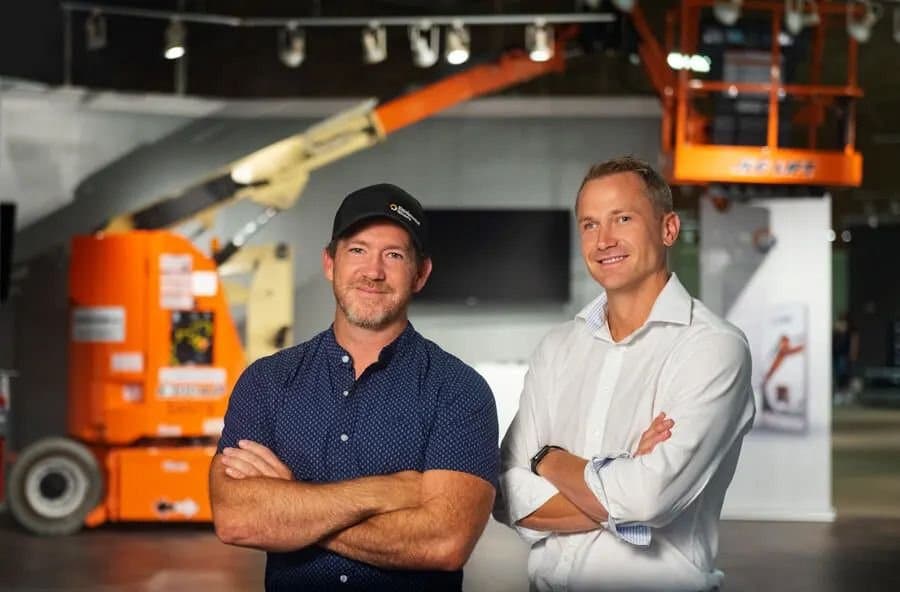
Y Combinator's Garry Tan reflects on EquipmentShare's journey from a Winter 2015 YC batch to its public listing, highlighting how founders from rural Missouri built a construction equipment marketplace by solving their own problems rather than chasing disruption.
When EquipmentShare's founders first walked into Y Combinator's offices in Winter 2015, they didn't carry the typical Silicon Valley pedigree. They came from rural Missouri, the "Show Me" state, with backgrounds that taught them to build things themselves, fix what was broken, and work with what they had. Their early life in a strict commune meant self-reliance wasn't a startup slogan—it was survival.
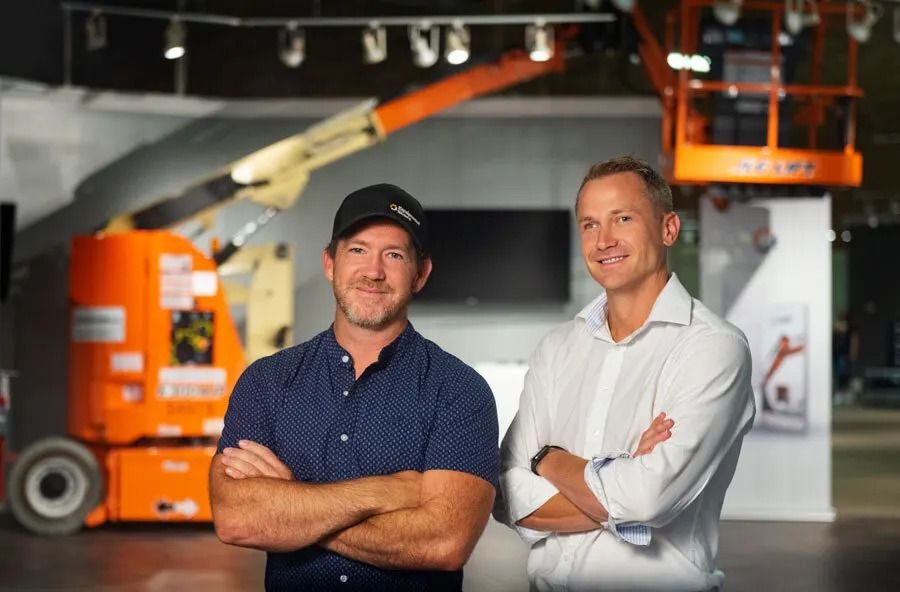
What they lacked in Ivy League degrees, they compensated for with something far more valuable: a visceral understanding of construction work, contractor frustrations, and the daily grind of trying to complete jobs with inadequate tools and inefficient systems. This wasn't theoretical knowledge gained from market research reports; it was lived experience.
Starting with a Real Problem, Not a Market Opportunity
EquipmentShare's origin story aligns perfectly with Paul Graham's famous advice about startup ideas: "The most successful startups almost all begin … from things their founders built because there seemed a gap in the world." The founders didn't set out to "disrupt" construction or "revolutionize" an industry. They started by solving their own problem.
The initial concept was straightforward: create a marketplace that leveled the playing field for contractors by simplifying access to equipment. The construction industry has always been capital-intensive, with expensive machinery sitting idle between jobs. Small and medium-sized contractors often couldn't afford to purchase specialized equipment outright, while larger firms struggled to optimize utilization across their fleets. EquipmentShare identified this inefficiency and built a platform to address it.
The YC Philosophy in Practice
Y Combinator's motto is "Make something people want," and EquipmentShare embodied this principle literally. Their approach followed a distinct rhythm from day one: build first before talking about it, ship fast before over-optimizing, and listen obsessively to customers.
This methodology stands in contrast to many startups that spend months building elaborate pitch decks and market analyses before writing a single line of code. EquipmentShare's founders understood that in construction, as in many B2B industries, the most valuable insights come from direct engagement with the people doing the work. They didn't need focus groups or surveys; they could walk onto job sites and see the problems firsthand.
From Marketplace to Operating System
What began as a simple equipment rental marketplace evolved into something far more comprehensive. Over time, EquipmentShare built what they call an "operating system for the jobsite." This transformation reveals a key pattern in successful B2B platforms: start with a clear, narrow use case, then expand based on genuine customer needs.
The company's T3 telematics and software platform emerged because customers needed visibility and control over their equipment. A contractor renting an excavator doesn't just need the machine—they need to know where it is, how it's being used, when it requires maintenance, and whether it's being operated efficiently. This data layer became as critical to the construction process as the physical equipment itself.
The Missouri Advantage
There's something telling about EquipmentShare's origins in rural Missouri rather than Silicon Valley. The "Show Me" state mentality—pragmatic, skeptical of hype, focused on tangible results—proved to be an asset rather than a limitation. While many startups chase trends and buzzwords, EquipmentShare's founders focused on solving concrete problems for real people doing real work.
This geographic and cultural background gave them several advantages:
- Direct market access: They understood the construction ecosystem because they were part of it.
- Practical mindset: Solutions needed to work in harsh job site conditions, not just in demos.
- Customer empathy: They had been the contractors struggling with equipment access and utilization.
- Bootstrapping mentality: Limited resources forced disciplined spending and rapid iteration.
The Long Game
Looking back at EquipmentShare's original YC application, the DNA is remarkably consistent: deep domain knowledge, relentless work ethic, and a refusal to accept "this is just how the industry works." This persistence through multiple funding rounds, market cycles, and competitive pressures demonstrates the value of building for durability rather than quick exits.
The company's journey from a scrappy Missouri startup to a public company helping power jobsites across the country represents more than just financial success. It validates an approach to entrepreneurship that prioritizes substance over style, problem-solving over disruption, and customer obsession over market positioning.
Implications for Founders
EquipmentShare's story offers several lessons for entrepreneurs, particularly those outside traditional tech hubs:
Start with problems you know intimately: The best startup ideas often come from personal experience. EquipmentShare's founders didn't need to research the construction industry—they lived it.
Build before you pitch: While market validation is important, creating a working product first provides credibility that slideshows cannot.
Embrace your background: Geographic and cultural differences can be strengths, not weaknesses. Rural Missouri taught EquipmentShare's founders practicality and resilience.
Expand based on customer needs, not market trends: The evolution from marketplace to operating system followed genuine customer requests, not VC-driven growth strategies.
Focus on the work, not the hype: Construction is an industry that rewards reliability and punishes flashiness. EquipmentShare's success came from understanding this fundamental truth.
The Broader Pattern
EquipmentShare represents a growing category of B2B startups that serve "unsexy" industries. While consumer apps and AI tools dominate headlines, companies like EquipmentShare, Toast for restaurants, and Plaid for financial services demonstrate that massive value exists in modernizing traditional sectors.
These companies share common characteristics:
- Founders with deep industry expertise
- Solutions that address fundamental inefficiencies
- Long development cycles requiring patience and capital
- Business models that improve over time as network effects and data accumulate
- Less competition from pure-play tech companies who lack domain knowledge
Looking Forward
As EquipmentShare enters the public markets, it carries with it the DNA of its origins: the Show Me state mentality, the problem-solving focus, and the customer-first approach. This foundation may serve it well as it faces new pressures from quarterly earnings reports and analyst expectations.
The company's journey from a Winter 2015 YC batch to a public listing took approximately a decade—a timeline that reflects the reality of building substantial B2B businesses. While venture capital often pushes for rapid growth, some industries require patience and incremental progress.
For aspiring founders in traditional industries, EquipmentShare's story offers a blueprint: identify a real problem you understand deeply, build a solution that works, listen to customers obsessively, and be prepared for the long haul. The path from rural Missouri to the public markets isn't the typical Silicon Valley story, but it might be a more replicable one for the vast majority of entrepreneurs who don't fit the standard tech founder profile.
The construction industry will continue to evolve, and EquipmentShare's platform will need to adapt. But the fundamental insight—that technology should serve the people doing the work, not the other way around—remains as relevant as ever. In an industry built on concrete, steel, and sweat, the most durable innovations are those that make the work easier, not more complicated.
Comments
Please log in or register to join the discussion