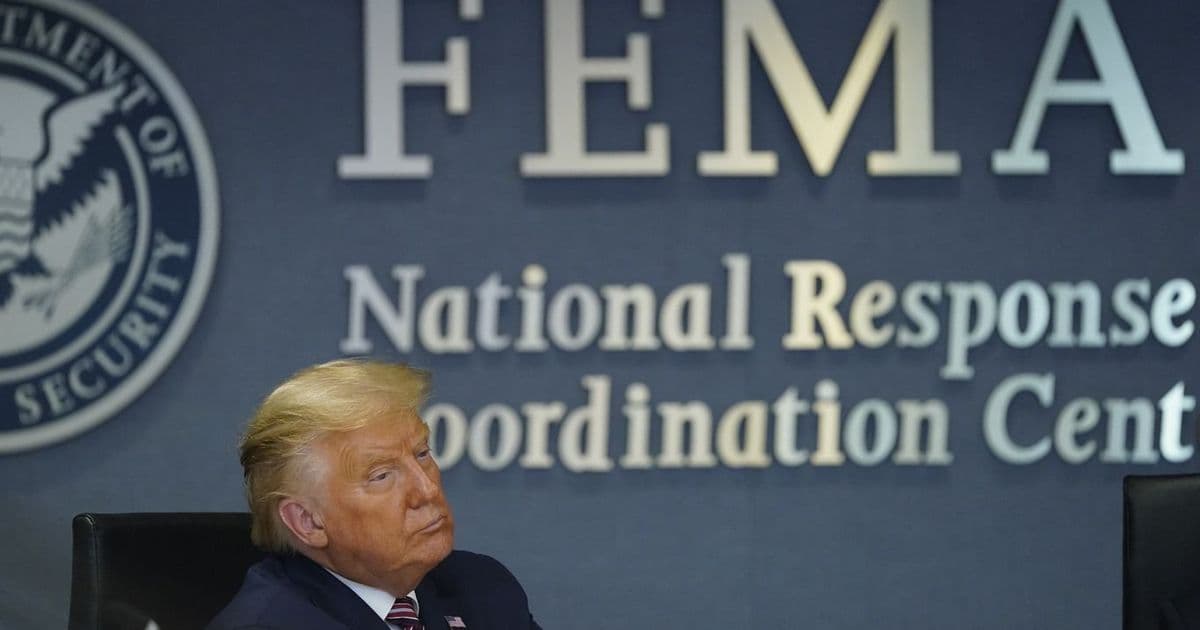
An approaching winter storm may reveal operational challenges at FEMA following significant staffing reductions implemented during the Trump administration.
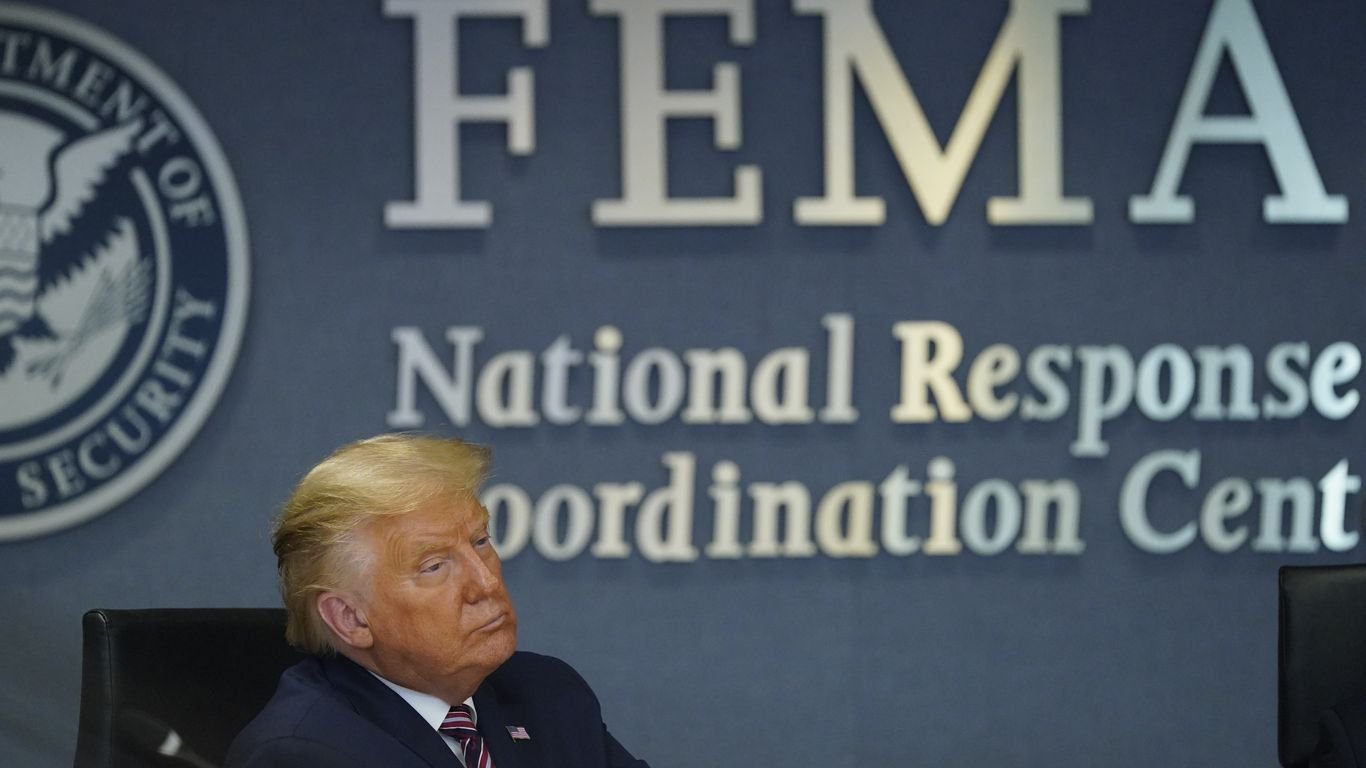
A major winter storm system forecasted to impact multiple U.S. regions this week presents the first significant test of FEMA's emergency response capabilities since the agency underwent substantial staffing reductions under the Trump administration. The storm, expected to bring heavy snowfall and freezing temperatures across the Midwest and Northeast, arrives amid documented workforce reductions that saw FEMA lose approximately 10% of its permanent staff between 2017-2020.
According to Government Accountability Office reports, FEMA's full-time workforce decreased from 15,492 employees in 2017 to 13,941 by 2020. These cuts occurred despite the agency's budget increasing from $17.8 billion to $20.7 billion during the same period, reflecting a strategic shift toward contracting and temporary staffing models. The reductions particularly affected regional coordination centers and disaster preparedness divisions, which saw staffing levels drop by 15%.
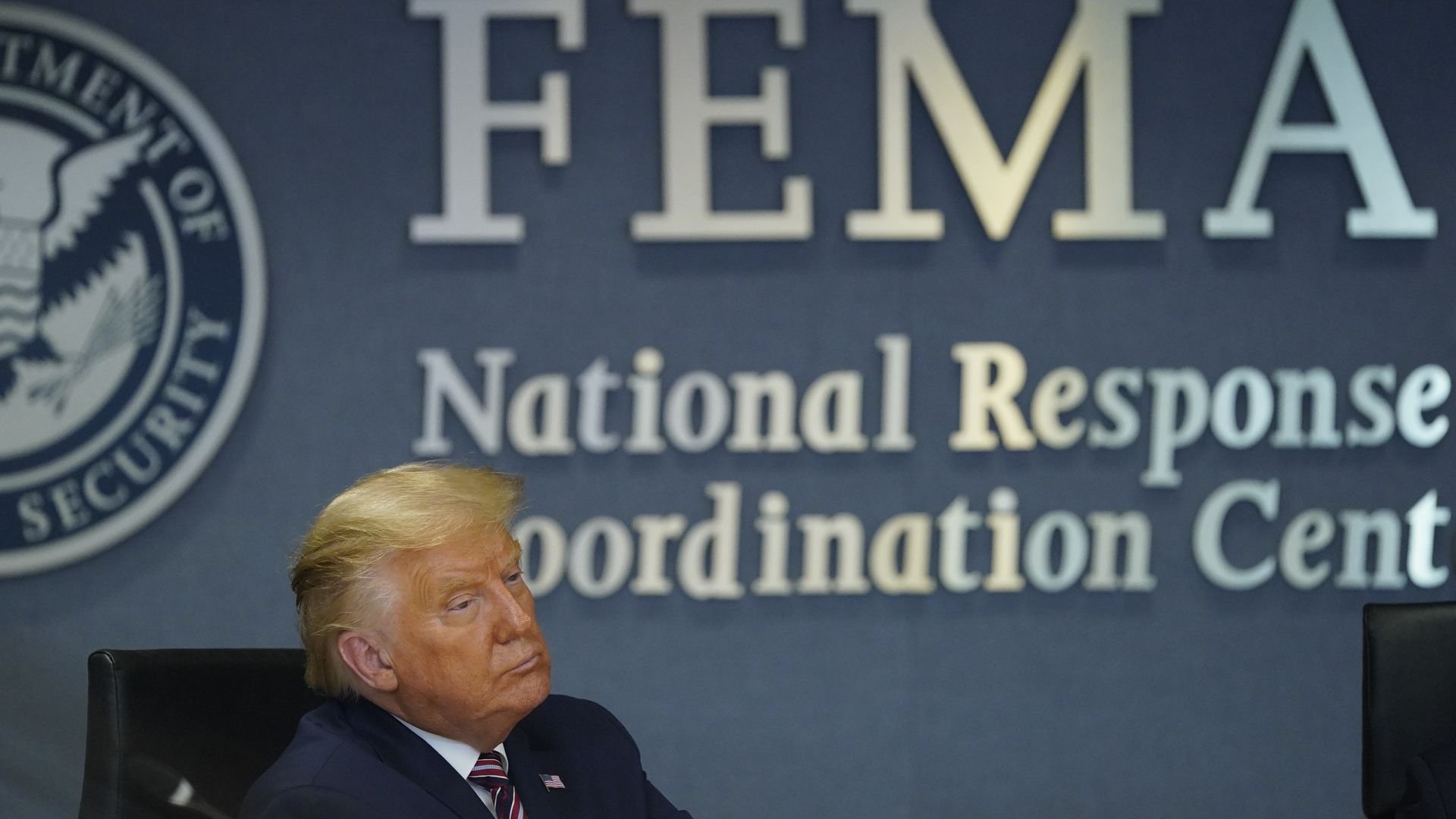
The timing raises concerns about coordination capacity during complex multi-state emergencies. FEMA's own 2021 After-Action Report for Hurricane Laura noted 'staffing gaps delayed resource deployment by 48 hours' in Louisiana. Current operational challenges include:
- Reduced regional coordination staff affecting state-to-state resource sharing
- 23% fewer trained personnel in cold-weather emergency operations
- Increased reliance on National Guard units with specialized winter response training
Federal emergency management experts indicate that staffing levels directly impact incident command effectiveness during simultaneous disasters. The storm's projected path overlaps with areas still recovering from December flooding, requiring FEMA to manage concurrent response operations. Agency officials confirm prepositioning emergency generators and blankets, but acknowledge reliance on state partners for personnel-intensive operations like shelter management and road clearance.
Historical data shows FEMA field operations require approximately 1 responder per 10,000 affected residents during winter events. With over 60 million Americans in the storm's path, this would necessitate deployment of 6,000 personnel—nearly half the agency's permanent staff. The FEMA Strategic Plan emphasizes building state and local capabilities, but state emergency management directors in affected regions report insufficient time to implement planned capacity-building programs before this event.
This storm arrives as FEMA undergoes reorganization under the Biden administration, which has restored approximately 700 positions since 2021. However, agency training documentation indicates new hires typically require 18 months to achieve full operational readiness. The coming days will provide critical data on whether strategic staffing changes have maintained operational readiness for cold-weather disasters.
Comments
Please log in or register to join the discussion