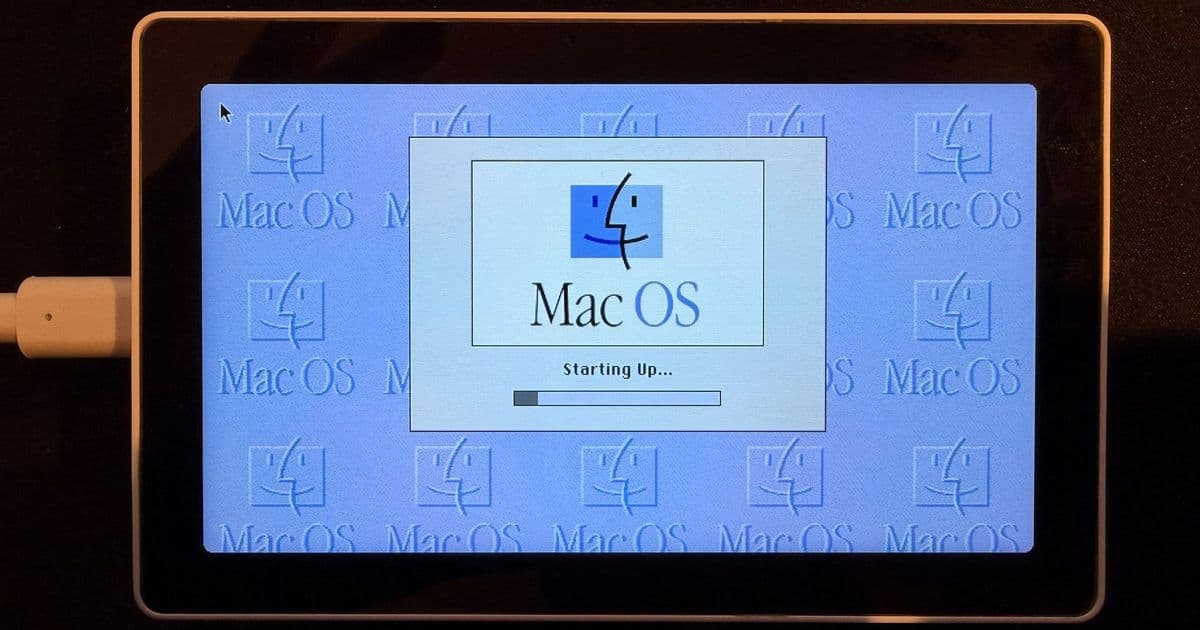
A port of Basilisk II emulator enables Motorola 68040-equivalent performance on ESP32-P4-powered tablets, demonstrating unprecedented microcontroller capabilities.
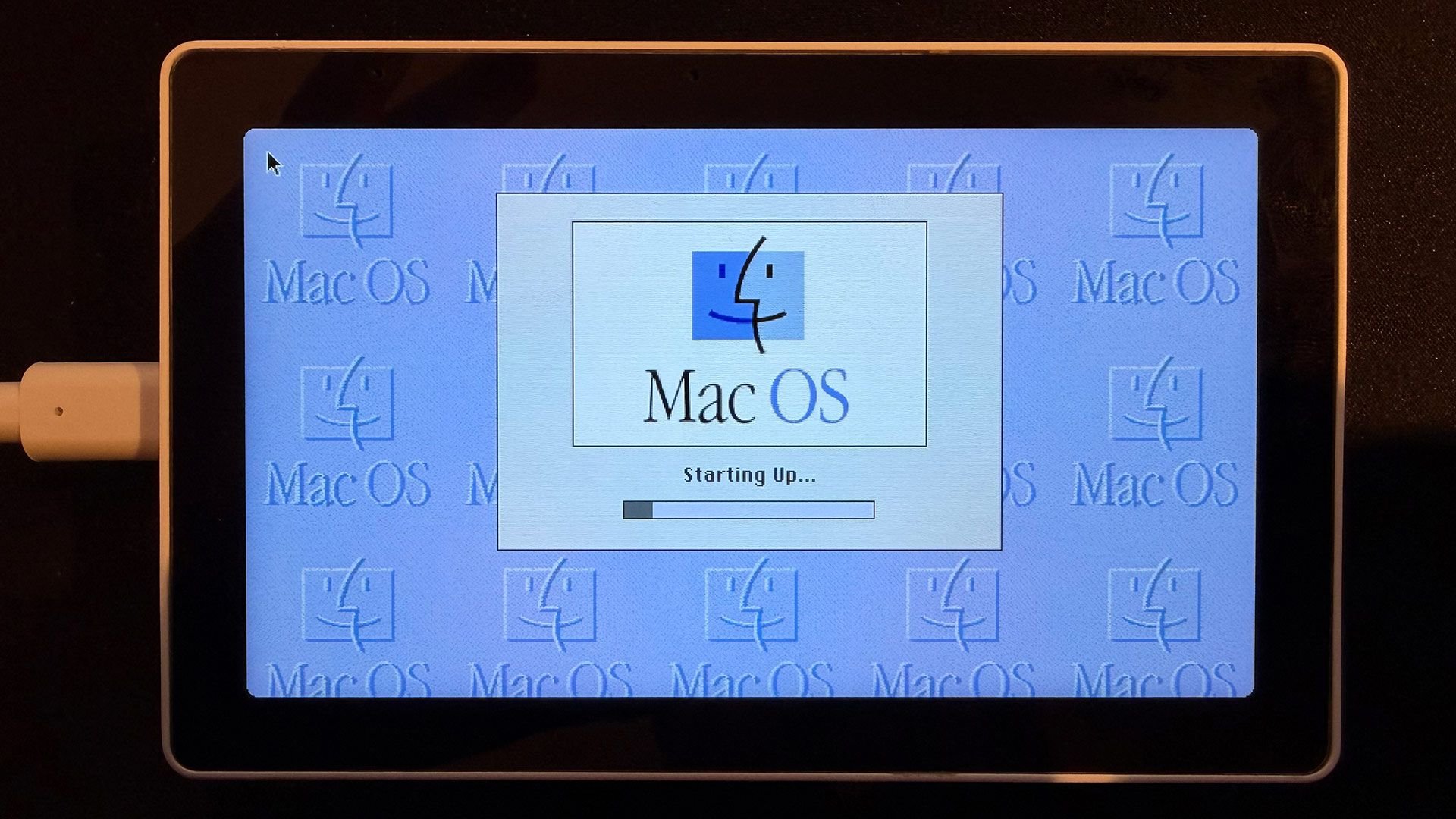
Developer amcchord has successfully ported the Basilisk II Mac emulator to the ESP32-P4-powered M5Stack Tab5 tablet, retailing at $60. This implementation delivers computational performance equivalent to Apple's mid-1990s systems powered by Motorola's 68040 CPU with FPU (68881 coprocessor), marking a significant advancement in microcontroller-based emulation capabilities.
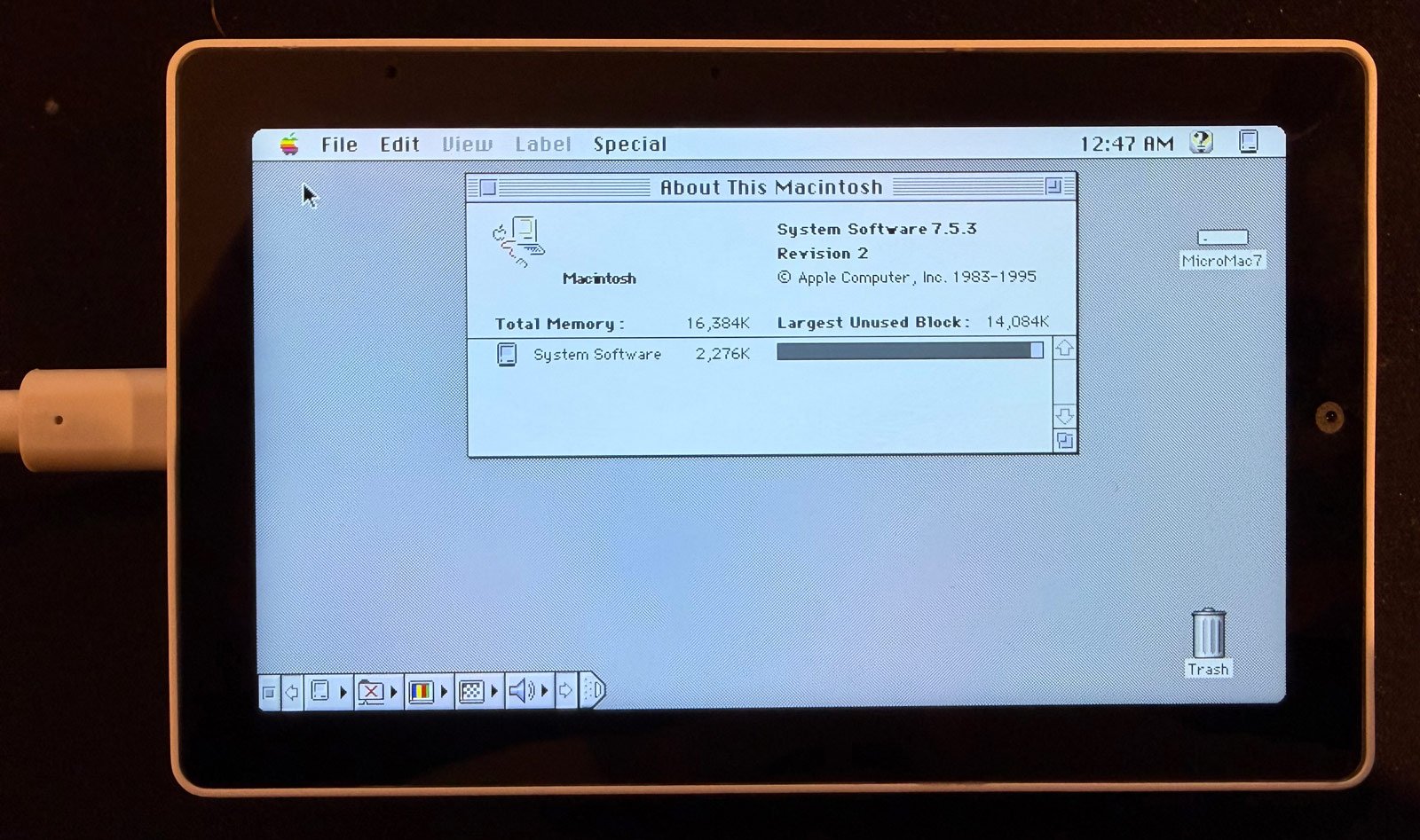
The ESP32-P4 system-on-chip features a dual-core RISC-V architecture operating at 400MHz. In this configuration, one core handles video processing and I/O operations while the second core executes the Motorola 68040 interpreter and system-level patching. This division enables the tablet to run Mac OS versions up to 8.1 with allocated memory capped at 16MB (half the device's 32MB total RAM). Performance is constrained to 15fps refresh rates, sufficient for productivity applications but potentially limiting for action-oriented games.
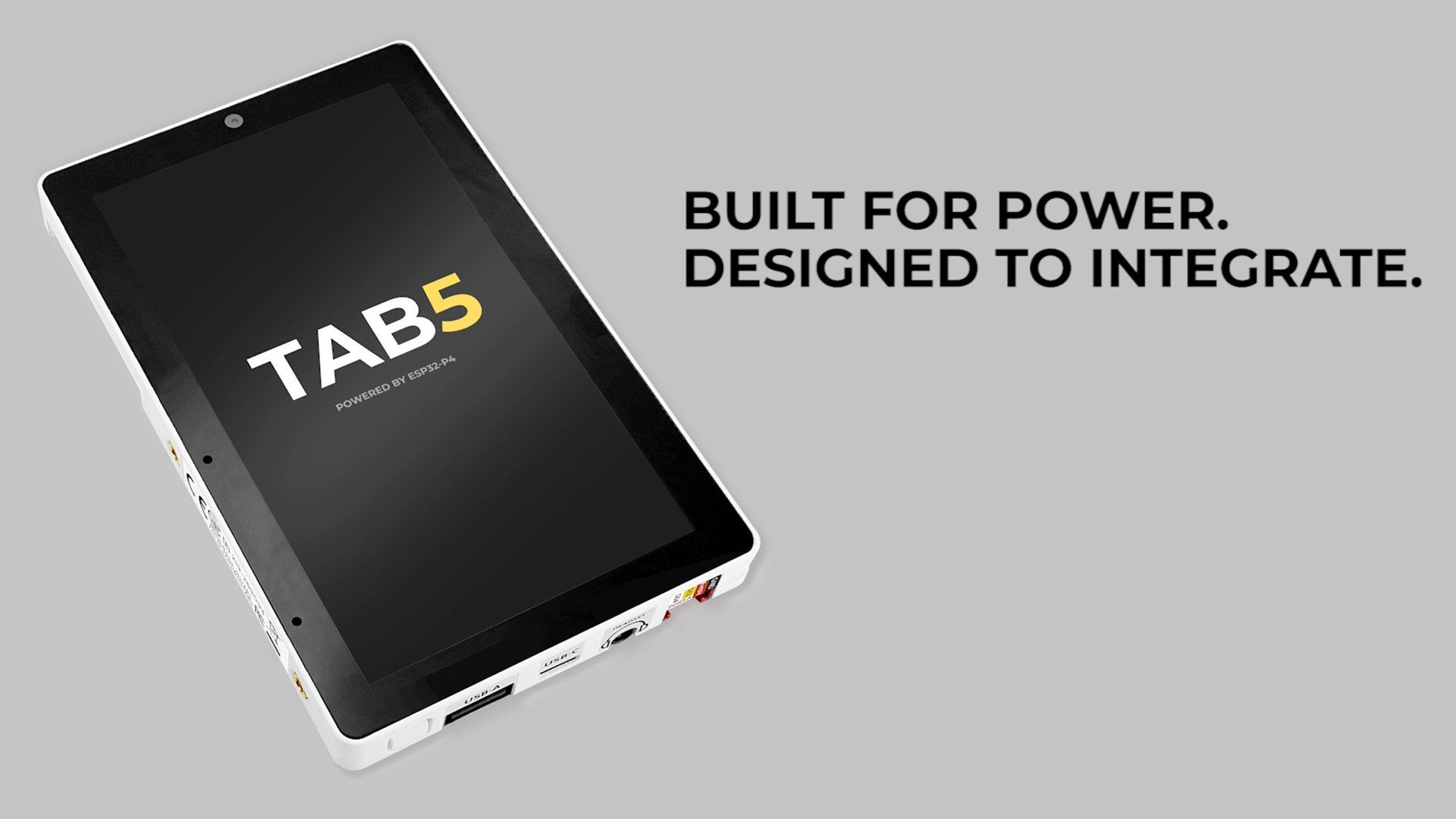
Hardware integration transforms the 5-inch tablet into a functional Mac-like environment: The 1280x720 IPS touchscreen replaces traditional mouse input, while USB ports support external keyboards. Storage utilizes SD cards containing HDD/CD images and Mac boot ROMs. The display renders at 2x scaled 640x360 resolution with 8-bit color depth, contrasting sharply with original Macintosh systems' 9-inch monochrome 512x342 displays.
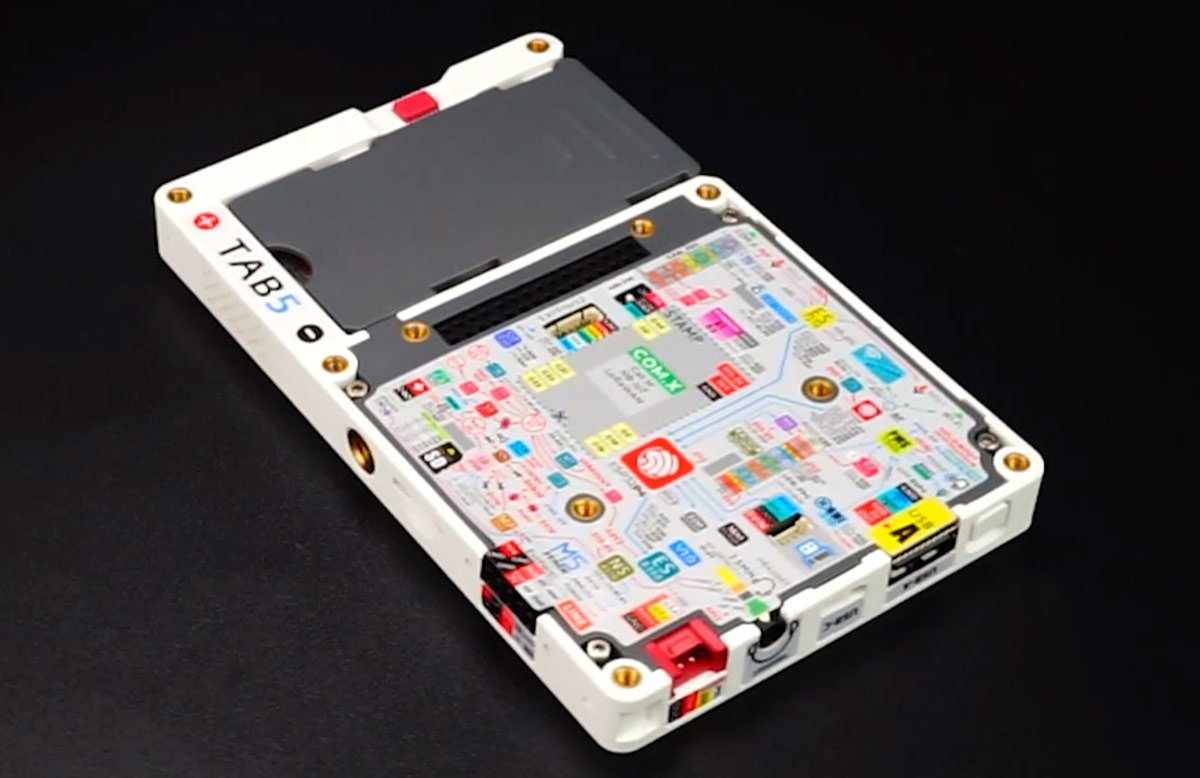
From a semiconductor perspective, this achievement demonstrates the ESP32-P4's capacity to handle complex instruction set emulation despite its microcontroller-class specifications. The RISC-V architecture's efficiency enables this performance leap without specialized silicon, utilizing standard 40nm manufacturing processes. Such capabilities expand the potential applications for IoT-focused SoCs beyond traditional embedded tasks into retro computing environments.
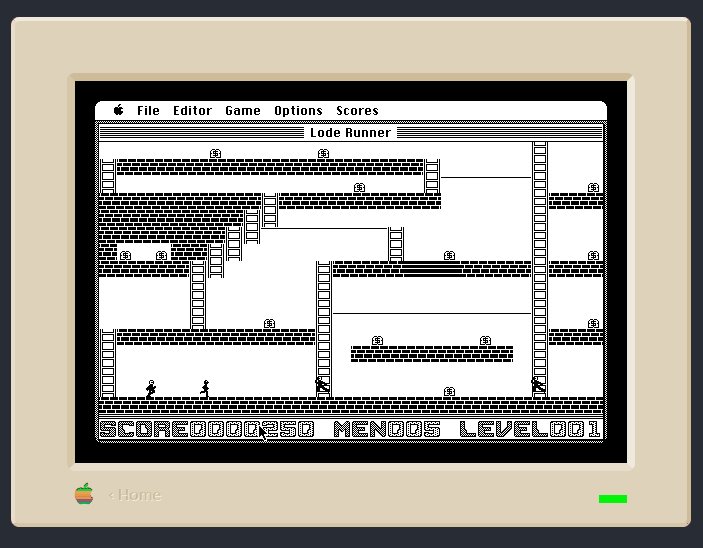
Market implications are noteworthy: At $60, this solution provides a commercially viable platform for retro computing enthusiasts, significantly undercutting FPGA-based alternatives. The tablet's modular design facilitates hardware modifications, potentially creating new demand for ESP32-P4 development boards in maker communities. Supply chain analysis indicates Espressif's mature 40nm production nodes enable cost-effective volume manufacturing, with the M5Stack Tab5 serving as an accessible entry point for emulation-focused hardware development.
For users seeking immediate access, browser-based 68K Mac emulation remains available through projects like Infinite Mac. However, this hardware implementation represents a tangible step toward portable, dedicated retro computing devices leveraging modern microcontroller economics.
Comments
Please log in or register to join the discussion