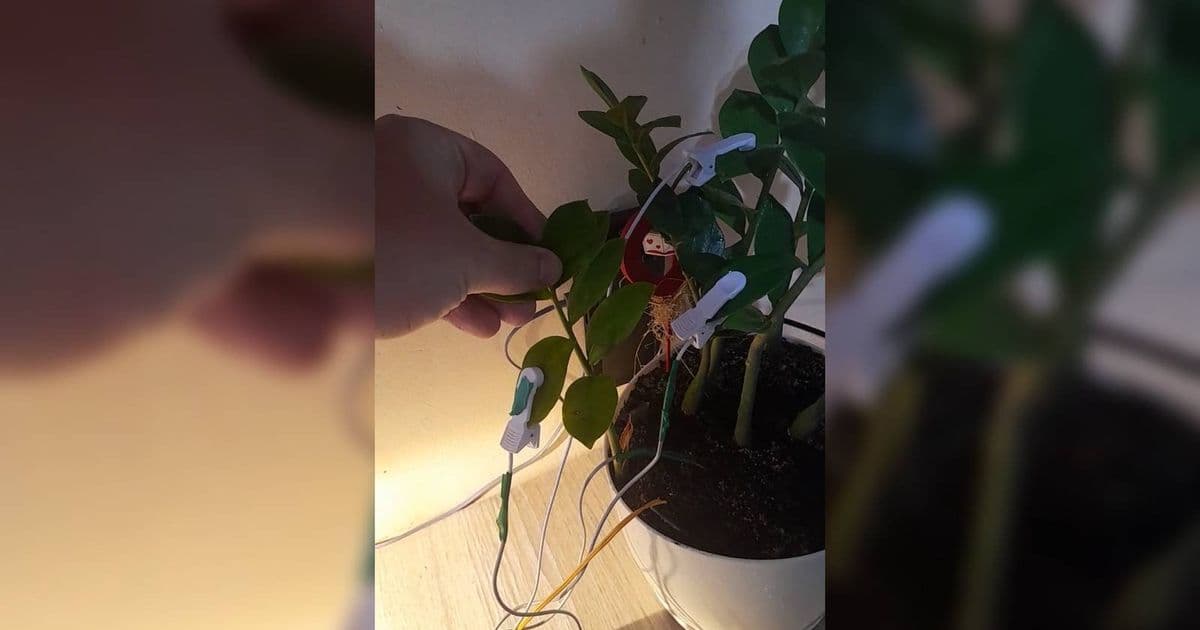
An innovative open-source project uses ESP32 microcontrollers and ECG sensors to transform plant bioelectrical activity into ambient music, with soil moisture levels dynamically shaping the soundscape.
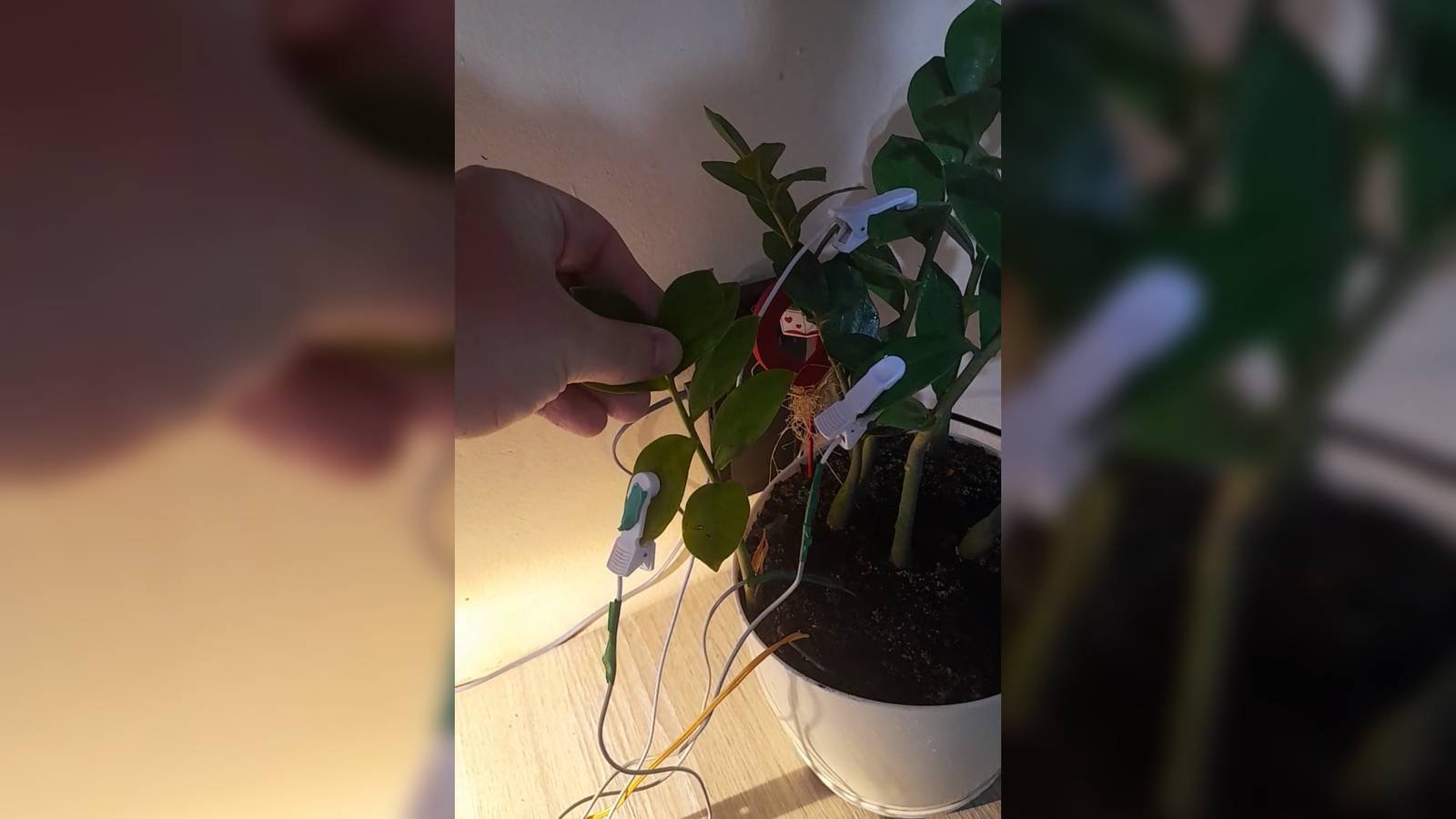
A novel project leveraging ESP32 microcontrollers demonstrates how plants' natural bioelectrical signals can be transformed into generative ambient music. Developed by Reddit user Sonus_Plantae and shared on the ESP32 subreddit, this system repurposes medical-grade sensors to capture subtle electrical fluctuations in plant tissues, converting them into audible soundscapes that change based on environmental conditions.
Technical Implementation
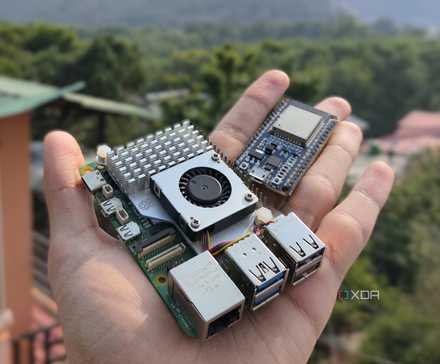
The core hardware combines an ESP32 microcontroller with an AD8232 ECG front-end module – a component typically used for human heart rate monitoring. Instead of attaching electrodes to skin, the system uses modified ear-clip electrodes gently clamped onto plant leaves. This configuration detects microvolt-level bioelectrical activity produced through natural plant processes like nutrient transport and environmental response.
Key technical considerations:
- Signal Processing: Raw electrical signals undergo amplification and filtering through the AD8232 before being sampled by the ESP32's ADC at 1kHz
- Moisture Integration: An FC-28 soil moisture sensor feeds data into the system, modulating musical parameters like pitch decay and harmonic resonance
- Noise Mitigation: Shielding and differential signal measurement minimize electromagnetic interference from surrounding electronics
Musical Generation Workflow
The ESP32 transmits processed sensor data via USB serial to a computer running Pure Data (Pd), an open-source visual programming environment for audio synthesis. The software maps:
- Bioelectrical impulse frequency → Note triggers
- Signal amplitude → Volume dynamics
- Soil moisture → Timbre and reverb parameters
This creates evolving soundscapes where drier soil produces sharper, staccato tones while moist soil yields smoother, sustained harmonies. The system currently requires a host computer for audio rendering, though the developer plans to migrate to a Raspberry Pi for standalone operation.
Ecological Implications and Future Development
Beyond its technical novelty, the project raises fascinating questions about plant bioacoustics. Preliminary observations suggest different plant species generate distinct rhythmic patterns, though rigorous testing is needed. The developer notes plans to:
- Implement battery power via LiPo circuits
- Develop enclosure designs protecting sensors from environmental factors
- Experiment with multi-plant installations creating polyphonic arrangements
This project exemplifies hardware repurposing – transforming a $15 cardiac monitor into an ecological interface. For developers interested in replicating the build, full schematics and Pure Data patches are available on GitHub. The approach demonstrates how accessible microcontrollers like the ESP32 continue enabling novel intersections of biology and technology.
Comments
Please log in or register to join the discussion