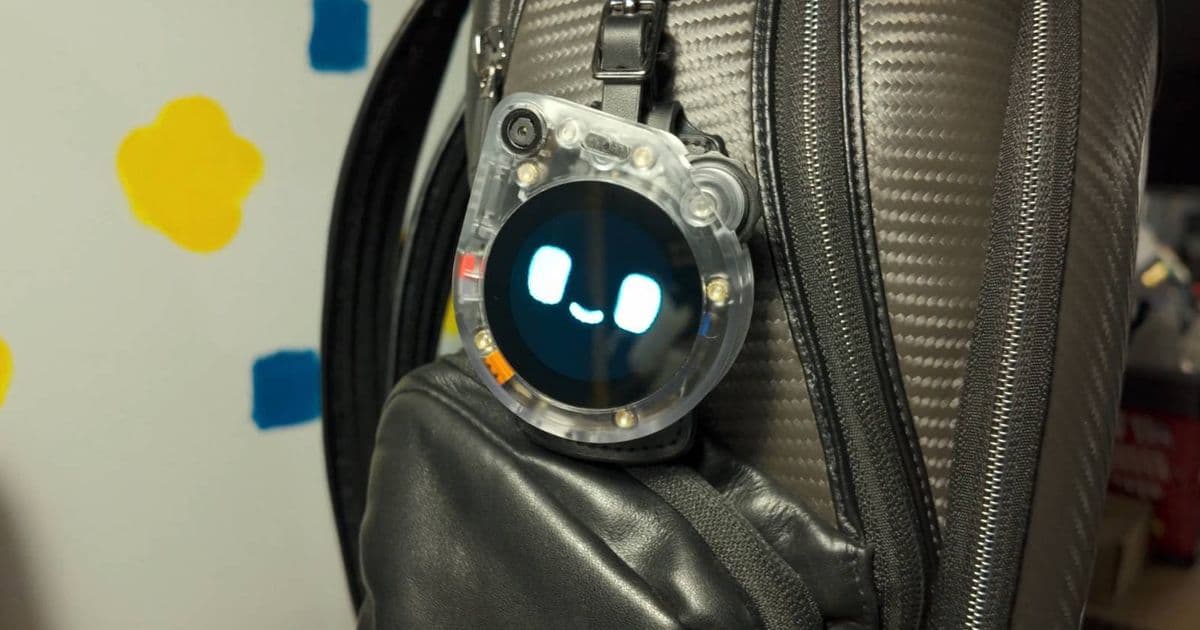
A creative DIY project combines the classic Tamagotchi experience with modern voice control using an ESP32 microcontroller, creating a wearable virtual pet that responds to your commands.
If you grew up in the late 90s or early 2000s, you probably remember the addictive charm of Tamagotchi virtual pets. These egg-shaped digital companions demanded constant attention, feeding, and care, becoming a cultural phenomenon that sold millions of units worldwide. Now, a creative DIY project is bringing that nostalgic experience into the modern era with a voice-controlled twist.
ESP32 Tamagotchi Backpack is exactly what it sounds like: a Tamagotchi-style virtual pet built around the ESP32 microcontroller and designed to be worn as a backpack accessory. But this isn't just a simple recreation of the classic toy. The project adds a layer of modern functionality that would have seemed like science fiction when the original Tamagotchi launched in 1996.
Voice Control Meets Virtual Pet Care
The standout feature of this ESP32 Tamagotchi is its voice control capability. Using the ESP32's built-in microphone and speech recognition capabilities, users can interact with their virtual pet through spoken commands. Want to feed your digital companion? Just say the word. Need to play with it or check its status? Voice commands make it all possible without fumbling through buttons.
This voice interface represents a significant evolution from the original Tamagotchi's three-button navigation system. While the classic version required precise button presses to navigate menus and perform actions, the ESP32 version responds to natural language commands, making the experience more intuitive and accessible.
The voice control isn't just a gimmick—it's integrated thoughtfully into the pet care mechanics. The virtual pet can respond to different voice tones, recognize when it's being spoken to, and even develop "preferences" for how it likes to be interacted with. This adds a new dimension to the caretaking experience that goes beyond the binary states of the original toy.
Technical Implementation
The project leverages the ESP32's powerful capabilities, including its Wi-Fi connectivity, ample processing power, and built-in audio features. The device runs custom firmware that handles speech recognition, pet AI behavior, and the visual display of the virtual pet.
A small OLED or LCD screen serves as the display, showing the animated pet and various status indicators. The ESP32 processes voice commands in real-time, using either built-in speech recognition libraries or cloud-based services for more accurate interpretation.
Power management is crucial for a wearable device, and the project incorporates battery-saving features to extend usage time. The device can enter low-power modes when not actively being used, waking up quickly when voice commands are detected.
Wearable Design and Social Interaction
Designed as a backpack accessory, this ESP32 Tamagotchi transforms a personal electronic device into a social statement. The wearable format encourages interaction with others, whether they're curious about the device or fellow enthusiasts who recognize the throwback to 90s culture.
The backpack mounting makes practical sense for several reasons. It provides a stable platform for the electronics, keeps the display visible to the wearer, and positions the microphone optimally for voice commands. The design also allows for easy access to charging ports and potential expansion with additional sensors or features.
Why This Project Matters
Beyond the nostalgic appeal, this ESP32 Tamagotchi represents an interesting intersection of several technology trends. It combines embedded systems programming, human-computer interaction design, and the enduring appeal of virtual pet mechanics.
For the DIY electronics community, it demonstrates how accessible modern microcontroller platforms have become. What would have required specialized hardware and significant engineering expertise in the 90s can now be accomplished by hobbyists with off-the-shelf components and open-source software.
The project also highlights the potential for voice interfaces in embedded systems. As speech recognition technology becomes more efficient and capable of running on low-power devices, we're likely to see more creative applications that blend voice control with physical computing.
Getting Started with Your Own
For those interested in building their own voice-controlled virtual pet, the project provides a roadmap using readily available components. The ESP32 serves as the brain, while a display module, microphone, and battery complete the core hardware requirements.
Software development involves programming the pet's AI behavior, implementing speech recognition, and creating the visual animations. The open-source nature of many ESP32 libraries means developers can build upon existing work rather than starting from scratch.
Community contributions could expand the project in interesting directions—adding multiplayer features where virtual pets can interact, incorporating environmental sensors for context-aware behavior, or even connecting to smartphone apps for enhanced functionality.
The Future of Nostalgic Tech
Projects like the ESP32 Tamagotchi backpack demonstrate how modern technology can breathe new life into beloved concepts from the past. By combining the emotional appeal of nostalgic experiences with contemporary capabilities like voice control and wireless connectivity, creators are finding ways to make old ideas feel fresh and relevant again.
As microcontrollers become more powerful and development tools more accessible, we're likely to see more creative reinterpretations of classic tech concepts. The line between retro charm and cutting-edge functionality continues to blur, resulting in projects that appeal to both our sense of nostalgia and our appreciation for modern convenience.
Whether you're a 90s kid looking to recapture a piece of your childhood or a tech enthusiast interested in voice-controlled embedded systems, this ESP32 Tamagotchi backpack offers an engaging project that bridges generations of technology. It's a reminder that sometimes the best way to look forward is to take inspiration from where we've been.
For those interested in exploring the project further, you can find detailed build instructions and code examples on Hackster.io, where the creator has shared their complete design and implementation notes.
Comments
Please log in or register to join the discussion