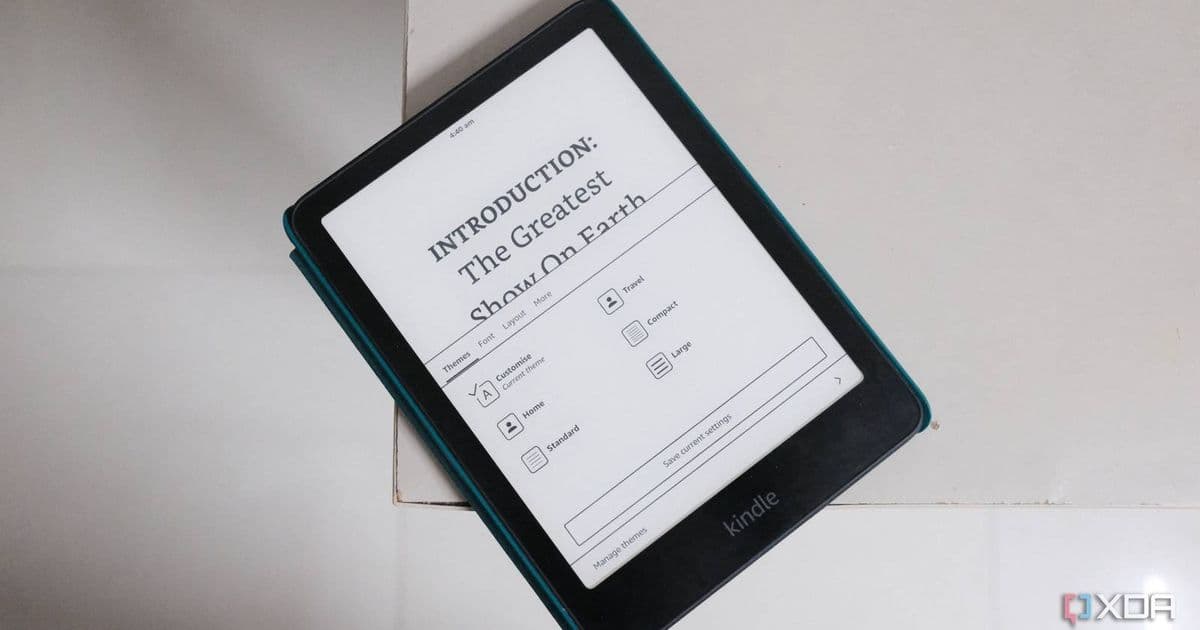
As Amazon discontinues store support for original Kindle models, owners are fighting back by jailbreaking their devices to restore full functionality, installing alternative ebook readers like KOReader through the Kindle Unified Application Launcher.
Amazon's recent decision to cut off store support for original Kindle models has sparked a grassroots movement among dedicated users who refuse to let their aging e-readers become obsolete. The tech giant's policy change means that while these devices will continue to function, users can no longer purchase or download books through Amazon's services—a significant limitation for devices designed specifically for the Amazon ecosystem.
The Technical Reality of Amazon's Support Cuts
When Amazon announced it would discontinue support for original Kindle models, the company clarified that the hardware itself would remain functional. Users could still access previously downloaded books, sideload content through USB connections, and use basic reading features. However, the loss of integrated store access creates a significant inconvenience for users who have come to rely on the seamless purchasing experience that made Kindles revolutionary when they first launched.
The affected models include the original Kindle, Kindle 2, Kindle DX, and Keyboard Kindle—devices that collectively represent the foundational years of Amazon's e-reader dominance. These devices, while technologically primitive by today's standards, continue to serve their purpose well for many readers who value their simplicity, battery life, and e-ink displays.
Jailbreaking as a Consumer Response
Faced with Amazon's corporate decision, technically inclined users have turned to jailbreaking as a means of extending their devices' functionality. The process varies between models, with some Kindles proving more amenable to modification than others. The most common approach involves installing the Kindle Unified Application Launcher (KUAL), a homebrew application that grants users access to alternative software ecosystems.
KUAL serves as a gateway to other applications, most notably KOReader, an open-source ebook reader that supports multiple formats and offers customization options beyond Amazon's native software. This alternative reader provides a comprehensive solution for users who want to continue purchasing books from Amazon but prefer not to be locked into the company's ecosystem.
The Technical Implementation of Kindle Jailbreaking
The jailbreaking process typically begins with exploiting a vulnerability in the device's software to gain root access. For many Kindle models, this involves installing a custom recovery image or leveraging a debug mode that Amazon left accessible in older firmware versions. Once root access is achieved, users can install KUAL, which then provides a menu system for installing additional applications.
KOReader, the most popular alternative ebook reader for jailbroken Kindles, offers several advantages over Amazon's native software. It supports a wider range of ebook formats, including EPUB, which Amazon's Kindles traditionally cannot read natively. The application also provides extensive customization options, allowing users to adjust fonts, margins, and layouts to their preferences. For users with large existing libraries in non-Amazon formats, KOReader represents a lifeline that extends the utility of their aging hardware.
The Legal and Ethical Implications
While jailbreaking Kindles technically violates Amazon's terms of service, the company has historically taken a hands-off approach to users who modify their devices. This pragmatic stance likely stems from recognition that jailbroken Kindles continue to consume Amazon content, even if purchased through alternative channels. The alternative—pushing users toward newer hardware—may ultimately cost Amazon more in lost sales than tolerating a small percentage of modified devices.
From a consumer rights perspective, the situation raises important questions about device longevity and corporate responsibility. When consumers purchase hardware, they reasonably expect a certain period of functional support. Amazon's decision to disable store access on still-functional devices represents a shift from product ownership to service-based models, a trend that has significant implications for the future of consumer technology.
The Future of Device Support and Consumer Choice
The Kindle jailbreak movement highlights a growing tension between corporate planned obsolescence and consumer demand for device longevity. As technology companies increasingly shift to service-based revenue models, users face pressure to upgrade hardware more frequently—even when existing devices remain fully functional.
For Amazon, the calculus likely involves encouraging users to purchase newer models with enhanced features like better displays, front lighting, and waterproofing. However, this approach alienates a segment of the market that values practicality over novelty. The jailbreak community's response demonstrates that when companies withdraw support from functional hardware, users will often find technical workarounds rather than comply with what they perceive as arbitrary limitations.
Alternatives to Jailbreaking
For users uncomfortable with the technical risks of jailbreaking, several alternatives exist. The most straightforward approach is to continue using the device with sideloaded content via USB. While this requires manual management of ebook files, it preserves the device's core functionality without modification.
Another option is to explore alternative ebook stores that support direct downloads to older Kindle models. While limited compared to Amazon's catalog, services like Project Gutenberg offer extensive public domain content that can be sideloaded and read on legacy devices.
For users who primarily access content through libraries, the OverDrive app continues to function on many older Kindle models, providing access to library ebooks without the need for jailbreaking. This solution represents a middle ground that maintains device functionality while respecting Amazon's service limitations.
The Broader Implications for the E-Reader Market
Amazon's treatment of original Kindles reflects broader trends in the consumer electronics industry. As companies increasingly prioritize recurring revenue from services over one-time hardware sales, the concept of device longevity has become secondary to subscription-based models.
This shift has significant implications for consumers, particularly those in lower-income brackets or regions with limited access to newer technology. When companies deliberately limit the functional lifespan of hardware, they effectively create barriers to access for vulnerable populations who cannot afford frequent upgrades.
The Kindle jailbreak movement represents a form of consumer pushback against this trend. By extending the functional lifespan of their devices through technical modification, users are asserting their right to maintain ownership and control over the hardware they purchase. This grassroots response may influence future corporate policies regarding device support and planned obsolescence.
Conclusion: A New Frontier in Device Longevity
As Amazon and other tech companies continue to navigate the balance between innovation and obsolescence, the Kindle jailbreak community serves as an important case study in consumer-driven device longevity. The technical solutions developed by these users demonstrate that when companies withdraw support from functional hardware, users will often find ways to maintain utility rather than comply with artificial limitations.
For Amazon, the challenge lies in balancing corporate interests with customer loyalty. While encouraging upgrades to newer devices may serve short-term revenue goals, alienating dedicated users through arbitrary support cuts risks damaging brand loyalty in the long term. The jailbreak movement suggests that many users remain committed to their Kindles and are willing to invest technical effort to maintain functionality rather than purchase new hardware.
As the consumer electronics industry continues to evolve, the relationship between users and their devices will likely become increasingly complex. The Kindle jailbreak revolt represents just one chapter in this ongoing narrative—a story of technical ingenuity, consumer rights, and the enduring value of hardware that continues to serve its purpose long after manufacturers have declared it obsolete.
Comments
Please log in or register to join the discussion