Japanese government deliberates fiscal intervention as Middle East conflict drives up fuel costs, threatening economic stability and household budgets.
The Japanese government has initiated discussions on a potential supplementary budget for the current fiscal year ending March 2026, responding to escalating energy costs driven by ongoing Middle East conflicts that are disrupting global trade routes and exacerbating Japan's cost-of-living crisis.
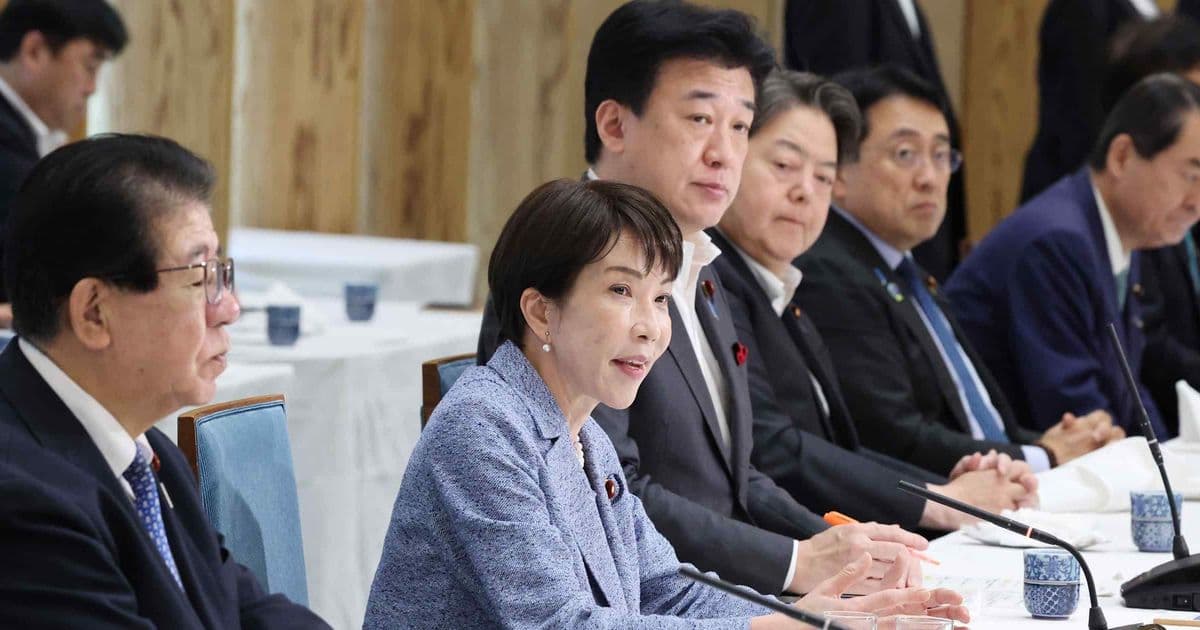
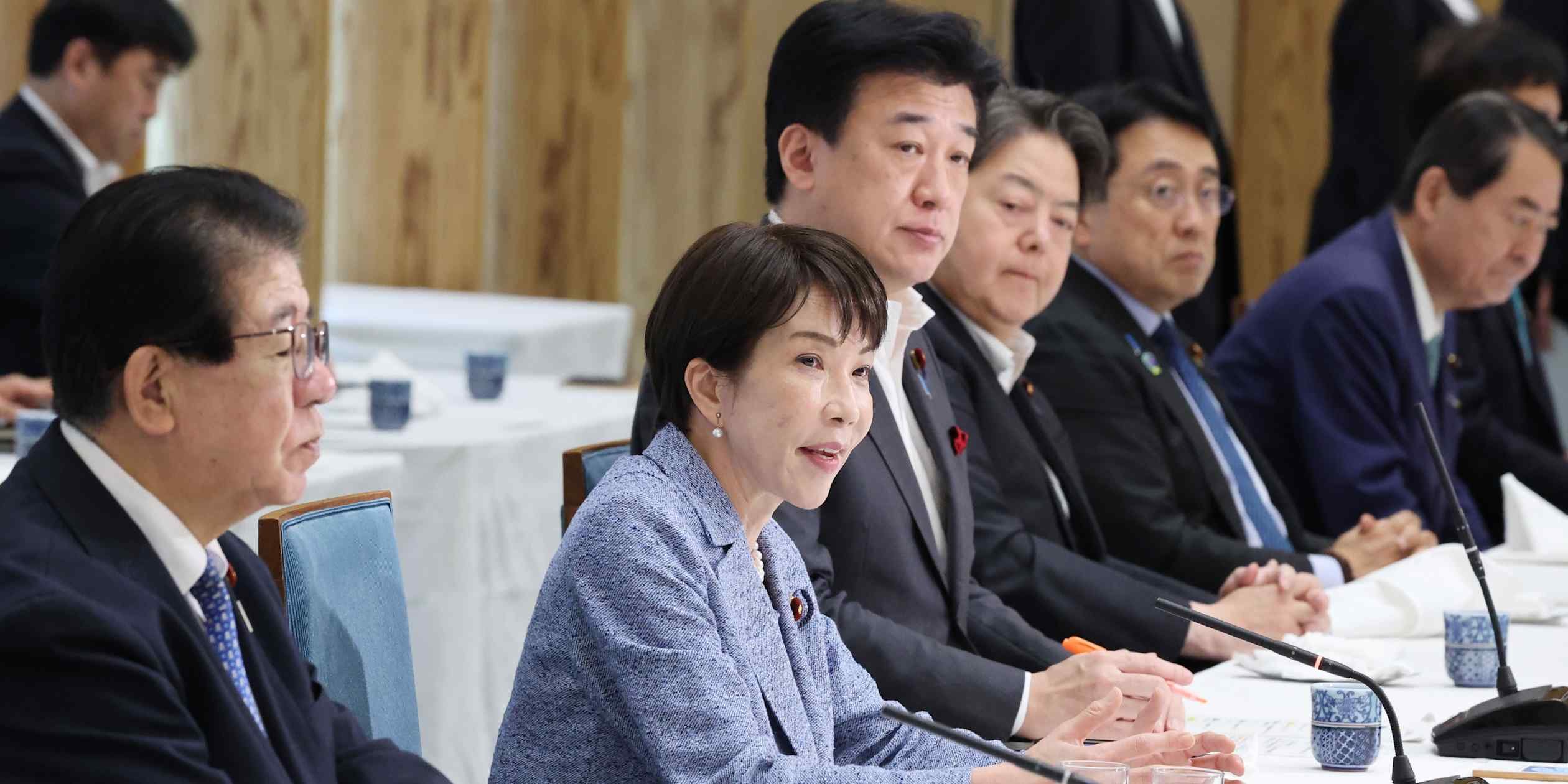
Prime Minister Sanae Takaichi expressed significant concerns about the impact of rising electricity and gas bills on households and businesses during a recent meeting of government and ruling party officials at the prime minister's office in Tokyo. The deliberation comes as energy prices have surged by approximately 15% since the beginning of 2026, with analysts projecting further increases if geopolitical tensions persist.
"The current situation requires careful consideration of all available fiscal tools to protect Japanese consumers and businesses," stated an unnamed official from the Ministry of Finance during background discussions. "The supplementary budget would be designed specifically to offset the immediate impact of energy price volatility while maintaining long-term fiscal sustainability."
The potential fiscal intervention would mark Japan's first supplementary budget since 2023, when the government allocated ¥2 trillion to address pandemic-related economic challenges. This time, however, the scale could be significantly larger, with preliminary estimates suggesting allocations between ¥3-5 trillion ($20-33 billion USD) targeted at energy subsidies and support measures for vulnerable industries.
Market analysts view this development through multiple lenses:
Economic Impact: Japan's energy-intensive manufacturing sector, particularly automotive and electronics production, faces immediate margin compression. The supplementary budget could prevent an estimated 0.3-0.5 percentage point reduction in GDP growth for the current fiscal year.
Fiscal Sustainability: Japan's public debt already stands at approximately 260% of GDP, the highest among developed nations. Additional borrowing to fund energy subsidies could further strain government finances, potentially leading to higher long-term bond yields, which have already reached record highs this year.
Geopolitical Strategy: The budget represents Japan's attempt to navigate complex international relationships while securing energy supplies. The Middle East conflict has disrupted approximately 20% of Japan's oil imports, primarily from the Persian Gulf region, forcing the government to diversify suppliers while maintaining diplomatic neutrality.
"Japan faces a delicate balancing act," explains Professor Hiroshi Tanaka of the University of Tokyo's Economic Research Institute. "The supplementary budget addresses immediate needs but may create longer-term fiscal challenges. The government will need to carefully calibrate the intervention to avoid market disruption while providing meaningful relief."
The deliberation occurs against a backdrop of currency market volatility, with the yen having depreciated by nearly 8% against the US dollar this year, further amplifying the impact of rising global energy prices. Japan's central bank faces additional pressure as it attempts to maintain accommodative monetary policy while supporting the government's fiscal measures.
Industry groups have expressed mixed reactions to the potential budget. The Japan Business Federation (Keidanren) supports targeted subsidies for energy-intensive industries, while consumer advocacy groups push for more direct household assistance. Meanwhile, environmental organizations caution against measures that might delay Japan's transition to renewable energy sources.
The government's decision timeline remains unclear, with officials indicating that final approval will depend on the trajectory of global energy prices and the resolution of Middle East tensions. However, the mere consideration of a supplementary budget has already influenced market expectations, with energy sector stocks showing increased volatility in recent trading sessions.
In related developments, Japan has been pursuing alternative energy strategies, including increased investment in liquefied natural gas (LNG) infrastructure and accelerated development of domestic renewable energy projects. The government has also initiated discussions with South American economic partners to explore potential energy trade agreements that could reduce dependence on Middle East supplies.
As Japan navigates these complex economic challenges, the potential supplementary budget represents both an immediate response to current pressures and a reflection of broader strategic considerations in an increasingly volatile global energy landscape.
Comments
Please log in or register to join the discussion