The European Commission is preparing new rules to bolster the bloc's technological independence, a move accelerated by geopolitical tensions and concerns over reliance on American infrastructure. The legislation aims to promote homegrown alternatives and explicitly address security vulnerabilities in foreign tech.
The European Union's executive arm is drafting legislation that would mark a significant shift in how the bloc regulates technology, with a clear focus on reducing dependence on American companies and addressing the security risks they pose. According to sources familiar with the matter, the European Commission is preparing a package of rules designed to promote "tech sovereignty," a concept that has gained urgency in Brussels following recent geopolitical developments, including threats from the Trump administration regarding Greenland.
This isn't a new concern, but the drafting of concrete legislation signals a move from rhetoric to policy. The core idea is to ensure that critical digital infrastructure—from cloud services to data processing and AI development—is not solely reliant on a handful of US-based giants. The security risks are multifaceted: they range from potential backdoors in software and hardware to the legal jurisdiction under which data is held, which could be subject to foreign government surveillance laws.
The proposed legislation is expected to have several key components. First, it will likely introduce stricter requirements for public sector procurement, favoring European or "trusted" vendors for sensitive projects. This could create a protected market for companies like OVHcloud in France, Deutsche Telekom in Germany, or SAP, though they would need to meet stringent security and interoperability standards. Second, the rules may mandate greater transparency in supply chains for critical software and hardware, forcing companies to disclose the origins of components and the security audits they have undergone.
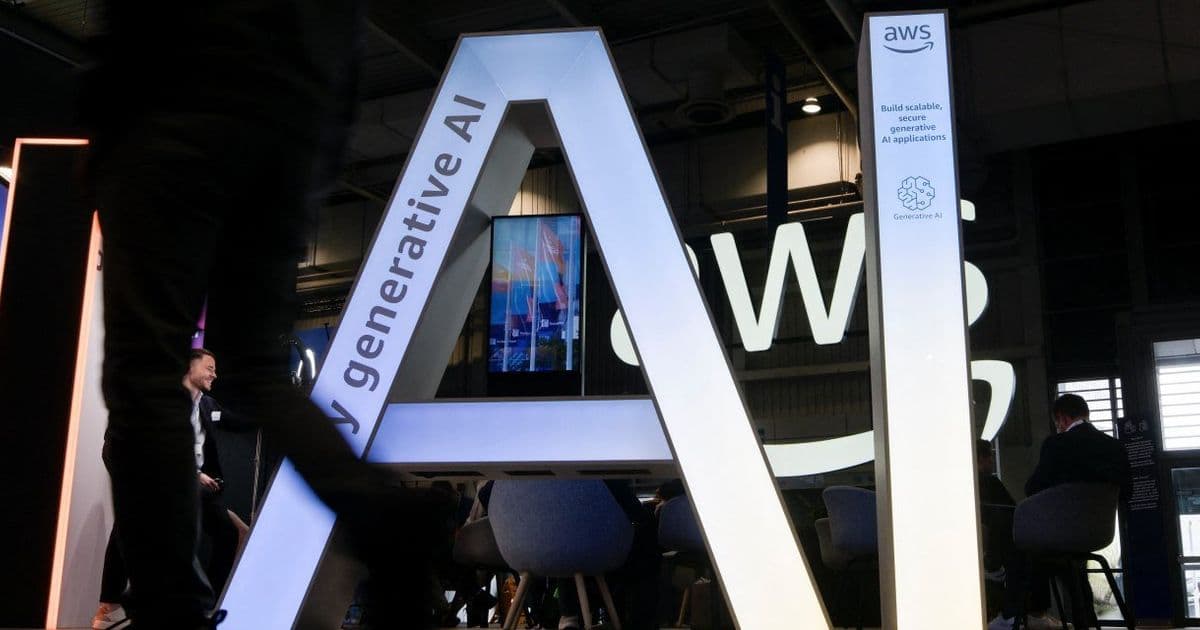
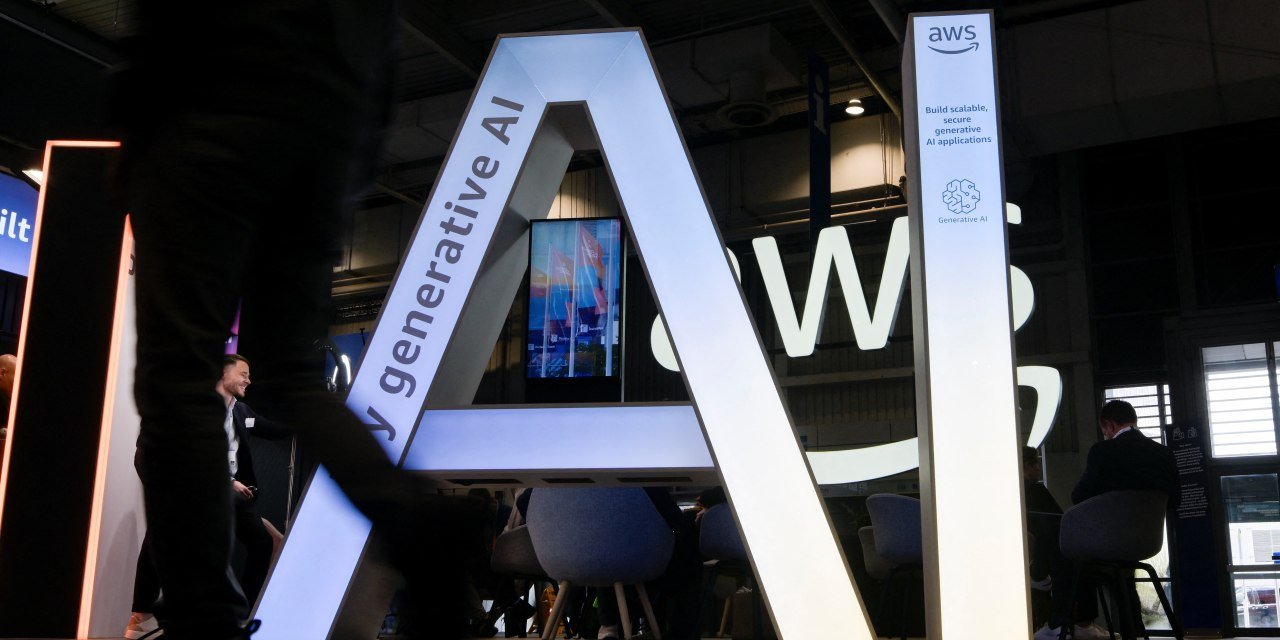
A third, and perhaps more contentious, element involves data governance. The EU has already established itself as a global standard-setter with the GDPR, but this new push could go further. It might require that data generated within the EU for critical services be stored and processed within the bloc, or at least in jurisdictions with equivalent privacy and security protections. This directly challenges the business models of US hyperscalers like Amazon Web Services (AWS), Microsoft Azure, and Google Cloud, which have built global networks that route data efficiently, often through US-based data centers.
The timing is notable. The draft legislation comes as the US government itself has taken a 10% stake in Intel, a move designed to shore up domestic semiconductor manufacturing. This highlights a global trend of nations viewing technology as a matter of national security and economic strategy. For the EU, the challenge is twofold: it must build a competitive technological base while avoiding a fragmented market that could stifle innovation. The legislation will need to walk a fine line between protectionism and strategic autonomy.
Critics argue that such measures could lead to "digital protectionism," raising costs for businesses and consumers and potentially slowing the adoption of cutting-edge technologies. They point out that the global tech ecosystem is deeply interconnected, and forcing a split could be inefficient and counterproductive. Proponents, however, contend that the risks of over-reliance are too great, especially in a world where geopolitical alliances can shift rapidly. They argue that a sovereign tech base is a prerequisite for long-term security and economic resilience.
The draft legislation is still in its early stages, and it will likely undergo significant debate and amendment before it is formally proposed to the European Parliament and Council. The process will involve intense lobbying from all sides—US tech giants, European incumbents, and startups alike. The final form of the rules will determine how much they reshape the European tech landscape and the global balance of power in the industry.
For now, the message from Brussels is clear: the era of taking US tech dominance for granted is over. The EU is preparing to assert its own technological future, one where security and sovereignty are as important as innovation and efficiency. The coming years will test whether this vision can be translated into workable policy without sacrificing the very openness that has driven much of the world's technological progress.
Related Links:
Comments
Please log in or register to join the discussion