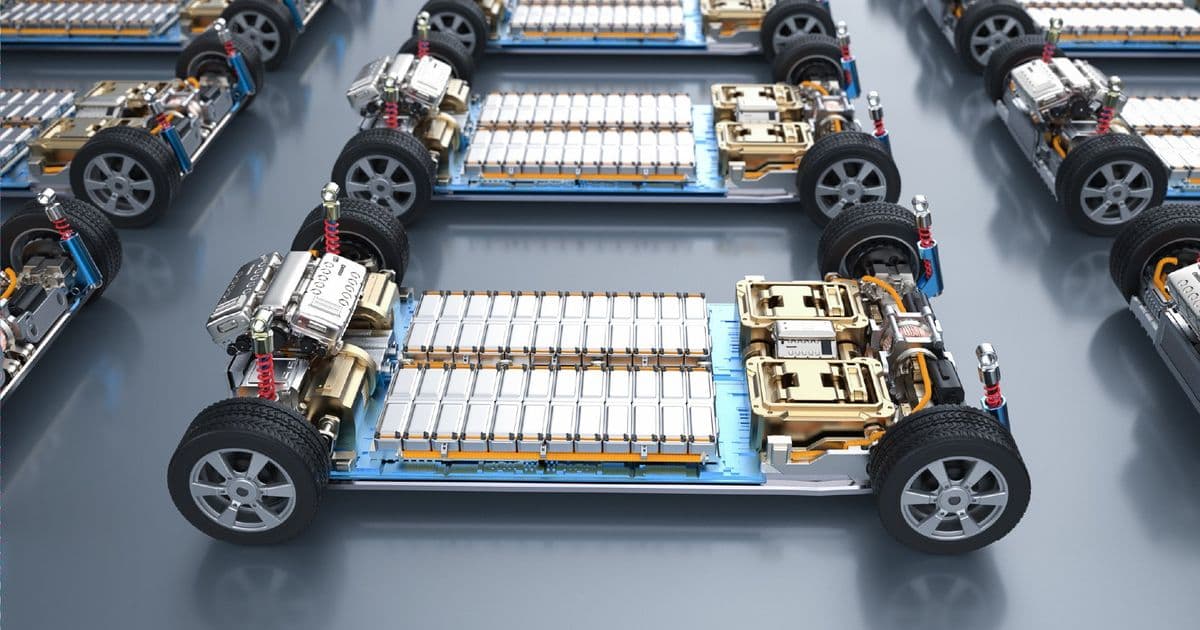
Analysis of 22,700 EVs shows modern batteries last beyond vehicle lifespan, but degradation accelerates with high-power charging (3% annual loss vs. 1.5% for low-power), hot climates (+0.4%), and extreme state-of-charge habits.
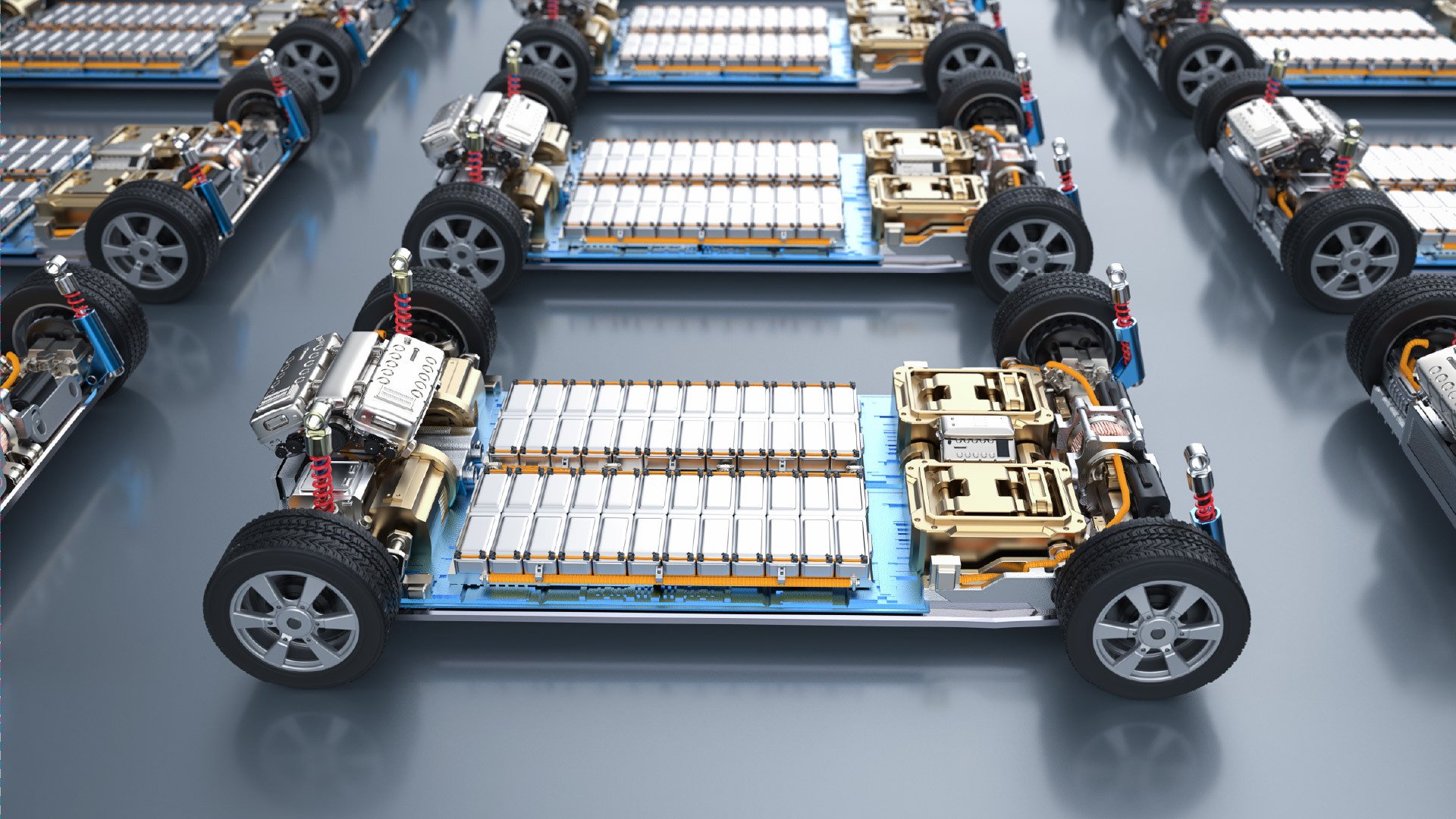
Analysis of over 22,700 electric vehicles confirms modern EV batteries outlast typical vehicle service life, though degradation rates vary significantly based on usage patterns. Key factors influencing battery health:
Battery Degradation Trends
- Average annual capacity loss: 2.3%
- Early models (2023): 1.8% degradation
- Recent models: 2.3% (due to higher-power charging adoption)
- Established models stabilize at 1.4% after initial drop-off
{{IMAGE:2}} Figure: Average degradation rates by vehicle class (MPVs: 2.7%, cars: 2.0%)
Charging Impact: The High-Power Penalty
| Charging Pattern | Degradation Rate | Projected Capacity After 8 Years |
|---|---|---|
| Low-frequency DC charging | 1.5% annually | 88% |
| High-frequency (<100kW) | 2.2% annually | 82% |
| High-frequency (>100kW) | 3.0% annually | 76% |
Key findings:
- DC fast charging frequency >12% doubles degradation risk
- Charging sessions >100kW accelerate capacity loss
- Fleet DC fast charging usage tripled since 2020
Climate and Usage Factors
- Temperature: Hot climates (+35°C) increase degradation by 0.4%/year
- State of charge: Degradation spikes only when batteries spend >80% time at extremes (<20% or >80% SOC)
- Utilization: High daily use adds 0.8% annual degradation but boosts ROI
Strategic Recommendations
- Match charger to need: Use lowest sufficient power (avoid >100kW unless essential)
- Moderate SOC exposure: Avoid prolonged storage at full/empty charge
- Climate awareness: Park in shade during heat waves
- Prioritize utilization: Accept trade-off for productivity gains
 Charlotte Argue, Senior Manager of Sustainable Mobility at Geotab
Comments
Please log in or register to join the discussion