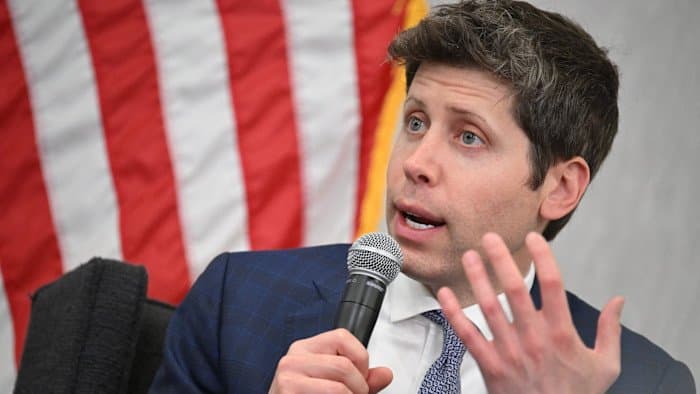
As OpenAI prepares to implement its defense contract with the U.S. Department of Defense, the company is negotiating additional safeguards specifically designed to prevent domestic mass surveillance using its AI technology, reflecting growing tensions in the AI-defense sector.
OpenAI is negotiating additional safeguards with the Department of Defense intended to prevent domestic mass surveillance using its AI technology, as the company prepares to implement a previously announced defense contract. According to sources cited by the Financial Times, these measures represent a significant concession by OpenAI as it seeks to address concerns about potential misuse of its artificial intelligence capabilities.
The negotiations come at a critical time for OpenAI as the company balances its commercial ambitions with ethical considerations surrounding AI deployment in sensitive government applications. The specific safeguards being discussed appear designed to prevent the use of OpenAI's technology for domestic surveillance operations, a particularly sensitive issue given the Fourth Amendment implications of mass surveillance in the United States.
This development follows a series of controversies in the AI-defense sector. Anthropic CEO Dario Amodei recently characterized OpenAI's DOD deal as "safety theater," suggesting it was more about public relations than substantive safety measures. The remark highlighted growing tensions between AI companies and defense officials over the appropriate boundaries for AI technology in military applications.
The U.S. government has already demonstrated its interest in leveraging AI for defense purposes. Recent reports indicate that the U.S. used Palantir's Maven Smart System, integrated with Anthropic's Claude AI, to identify and prioritize targets within the first 24 hours of its attack on Iran. This real-world application of AI in military operations underscores both the potential benefits and risks of defense AI partnerships.
Investor pressure is also playing a role in shaping AI companies' approaches to defense contracts. Sources indicate that some Anthropic investors are urging the company to de-escalate its dispute with the Pentagon, citing concerns about "supply-chain risk" designations that could affect business opportunities. This suggests that financial considerations are increasingly influencing how AI companies navigate defense relationships.
The competitive landscape in AI-defense is evolving rapidly. Lockheed Martin has announced plans to follow the U.S. DOD's Anthropic ban, indicating that defense contractors will likely comply with government restrictions on certain AI technologies. This compliance could create market opportunities for other AI companies that successfully navigate the complex regulatory and ethical landscape of defense applications.
OpenAI has also clarified previous statements about its NATO partnerships. An OpenAI spokesperson acknowledged that CEO Sam Altman misspoke when suggesting the company would deploy on all NATO classified networks, clarifying that he meant "unclassified networks" instead. This correction reflects the careful calibration required when discussing AI applications in sensitive security contexts.
The negotiations with the DOD represent a critical test for OpenAI's approach to AI governance. By proactively addressing surveillance concerns, the company may be attempting to establish precedents for responsible AI deployment in defense contexts. This approach could differentiate OpenAI from competitors while potentially opening doors to more defense contracts in the future.
For the Department of Defense, these negotiations reflect an acknowledgment that AI partnerships require careful oversight and clear boundaries. As AI technologies become increasingly capable, the military must balance innovation with ethical considerations, particularly regarding privacy and surveillance.
The outcome of these negotiations could have significant implications for the broader AI industry. If OpenAI successfully implements safeguards that prevent domestic surveillance while still enabling valuable defense applications, it may establish a model that other companies can follow. Conversely, if the safeguards prove insufficient or difficult to implement, they could fuel further debate about the appropriate role of AI in military and national security contexts.
As AI technologies continue to advance, the relationship between AI companies and defense institutions will likely become increasingly complex. The negotiations between OpenAI and the DOD represent one important step in defining the boundaries of this relationship, with potential consequences for national security, privacy rights, and the future direction of AI development.
Comments
Please log in or register to join the discussion