
A new study from the Edelman Trust Barometer reveals a sharp decline in institutional trust across 28 countries, with technology companies facing a unique paradox: they are the most trusted sector but also the primary driver of the information fragmentation eroding public consensus.
The annual Edelman Trust Barometer, released today, paints a stark picture of a world where foundational trust in institutions—from governments to media—has eroded to a critical point. The 2024 survey of over 32,000 people across 28 countries shows that 71% of respondents believe the information they consume is deliberately misleading, a figure that has risen steadily over the past five years. This isn't just a political issue; it's a technological one, and the data reveals a profound paradox at the heart of the modern information economy.
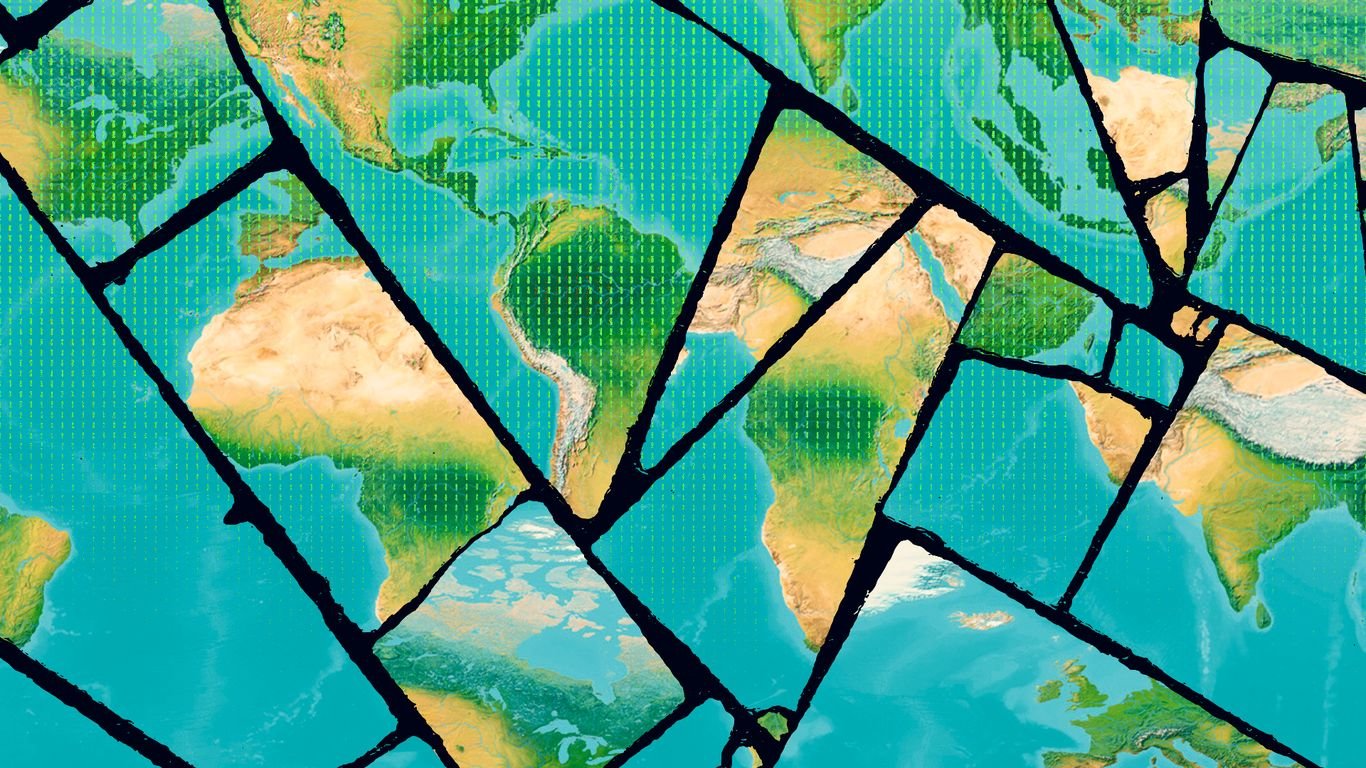
The core finding is the collapse of a shared reality. For the first time, the survey measured "information distrust" as a primary driver of societal division. In 2024, 62% of respondents said they actively avoid news sources that challenge their existing views, a behavior that algorithms on platforms like Facebook and X (formerly Twitter) are designed to reinforce. The technology sector, which includes social media, search engines, and AI-driven content platforms, is now the most trusted sector globally (68% trust), surpassing even traditional stalwarts like healthcare and education. Yet, this same sector is identified as the single largest contributor to the erosion of shared facts.
This creates a unique market dynamic. Tech companies are not just platforms; they are the primary arbiters of information flow. The business model is predicated on engagement, which is often driven by emotionally charged, divisive content. The Edelman report notes that companies optimizing for engagement metrics are inadvertently fueling the "trust deficit." For example, the rise of AI-generated content and deepfakes has accelerated this trend. In 2023, the number of detected deepfake videos increased by 900%, according to a separate study by cybersecurity firm SentinelOne, making it increasingly difficult for the average person to distinguish fact from fabrication.
The strategic implications for the tech industry are significant. Investors and analysts are now scrutinizing "trust metrics" alongside traditional financials. Companies like Meta, Google, and Microsoft are under pressure to demonstrate how they are mitigating the societal costs of their platforms. This has led to a new class of products: trust and safety tools, content moderation AI, and verification services. For instance, Meta's "Context Button" and Google's "About This Result" feature are direct responses to this demand, though their effectiveness is still debated.
The market context is one of regulatory tightening. The European Union's Digital Services Act (DSA) and the proposed U.S. legislation on platform accountability are forcing tech companies to internalize the costs of misinformation. Compliance is becoming a significant line item. In 2023, Meta reported spending $5 billion on safety and security, a figure that has grown year-over-year. For smaller startups, these costs can be prohibitive, potentially leading to further consolidation in the industry as only the largest players can afford to navigate the complex regulatory and trust landscape.
What this means for the broader tech ecosystem is a shift in value proposition. The next wave of innovation may not be about faster algorithms or more immersive experiences, but about rebuilding trust. Startups are emerging in the verification space, using blockchain for content provenance or developing AI tools to detect synthetic media. For example, the Truepic platform uses cryptographic hashing to create a verifiable chain of custody for digital images, providing a technical solution to a trust problem.
The Edelman data also highlights a geographic divergence. In countries like China and the UAE, trust in government and technology remains high, while in the United States and much of Western Europe, trust has fractured along partisan lines. This creates a fragmented global market where a one-size-fits-all approach to trust-building is impossible. Tech companies must now develop region-specific strategies, which adds complexity to their global operations.
The long-term business risk is a potential "trust tax"—a scenario where companies with poor trust scores face higher regulatory scrutiny, consumer backlash, and difficulty attracting talent. Conversely, companies that successfully navigate this landscape could command a premium. The Edelman report suggests that businesses perceived as trustworthy see higher customer loyalty and resilience during crises. For example, during the 2023 banking crisis, banks with higher trust scores experienced less deposit flight than their peers.
In conclusion, the collapse of a shared reality is not just a social issue; it is a fundamental business challenge for the technology sector. The data shows that trust is now a quantifiable asset, and its erosion poses a direct threat to the long-term viability of the industry's core business models. The companies that will thrive are those that can innovate not just in technology, but in the mechanisms that foster trust and verify truth. This represents a paradigm shift from an era of pure technological disruption to one where social responsibility and technical innovation are inextricably linked.
Comments
Please log in or register to join the discussion