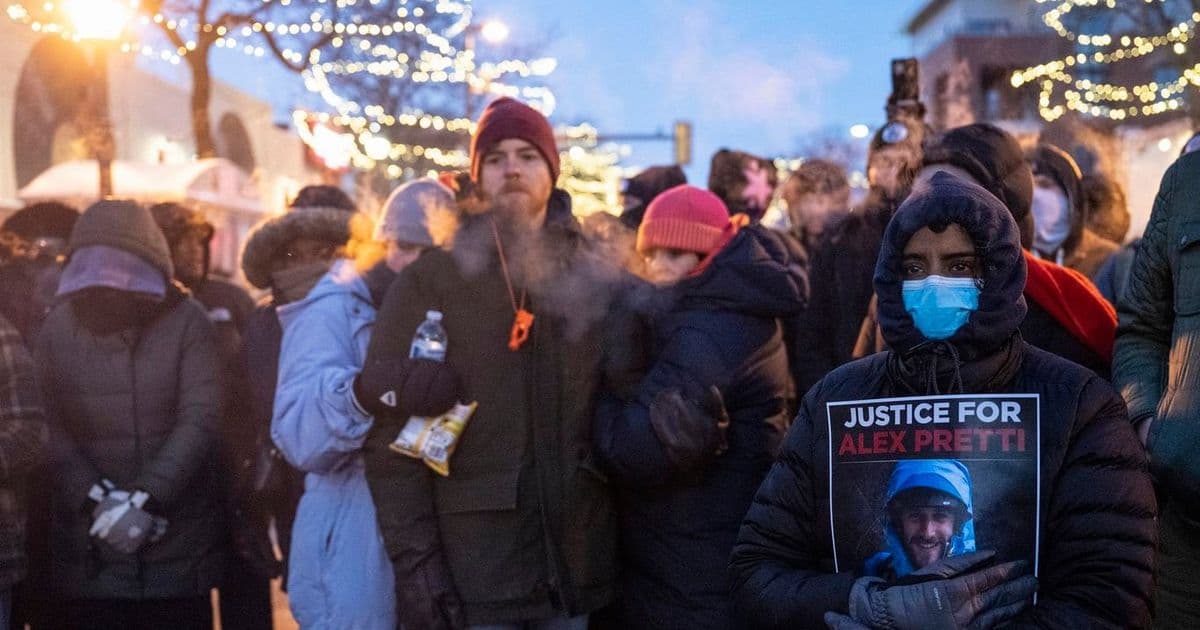
A federal judge has blocked the Trump administration from destroying evidence related to the fatal shooting of Alex Pretti by immigration agents in Minneapolis, preserving critical materials for ongoing investigations into the incident.
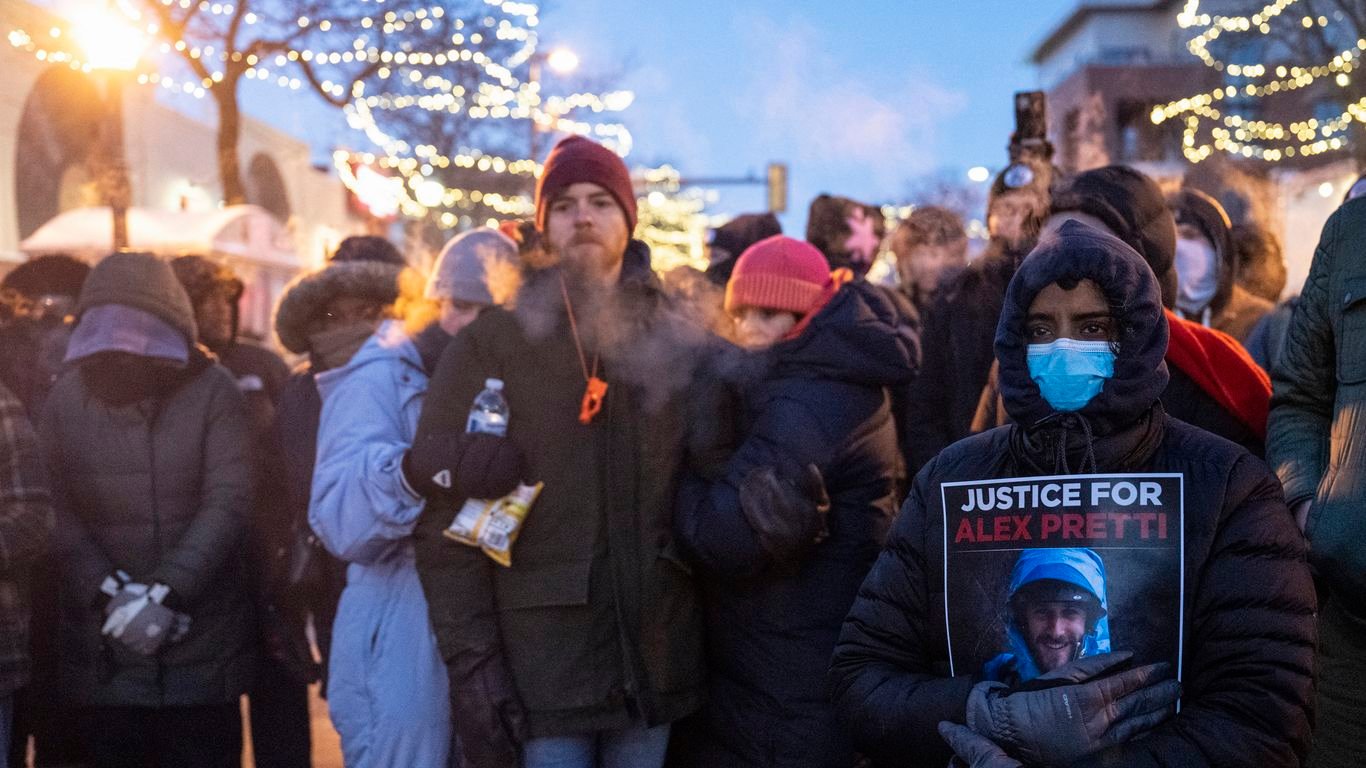
A Minnesota federal judge has issued a formal order prohibiting federal agencies from destroying evidence related to the January 24 shooting death of 37-year-old Alex Pretti by immigration enforcement officers. The ruling responds to a lawsuit filed by Pretti's family seeking preservation of bodycam footage, ballistics reports, communication logs, and other materials central to reconstructing the events.
The case represents a significant test of government accountability protocols when federal agents use lethal force during operations. According to court filings, Pretti was shot during an Immigration and Customs Enforcement (ICE) operation in Minneapolis. While federal agencies routinely retain evidence for internal reviews, judicial intervention became necessary when plaintiffs raised concerns about potential evidence destruction before civil litigation could proceed.
Legally, the ruling establishes critical safeguards for future cases involving federal law enforcement actions. By mandating evidence preservation, the court ensures independent investigators and plaintiffs can access unaltered records—a requirement that gains urgency given historical controversies around delayed evidence disclosure in officer-involved shootings. The Minneapolis Police Department's use-of-force data shows settlements for similar incidents averaged $1.2–$2.7 million per case between 2019–2023, underscoring the financial stakes of evidentiary integrity.
Strategically, this judicial order pressures federal agencies to standardize evidence retention protocols nationwide. ICE currently operates under internal guidelines for incident documentation, but lacks uniform public-facing policies comparable to municipal police evidence retention standards. The Minnesota ruling could accelerate calls for federal reforms, particularly as Department of Homeland Security expenditures on legal settlements increased 18% year-over-year in 2025.
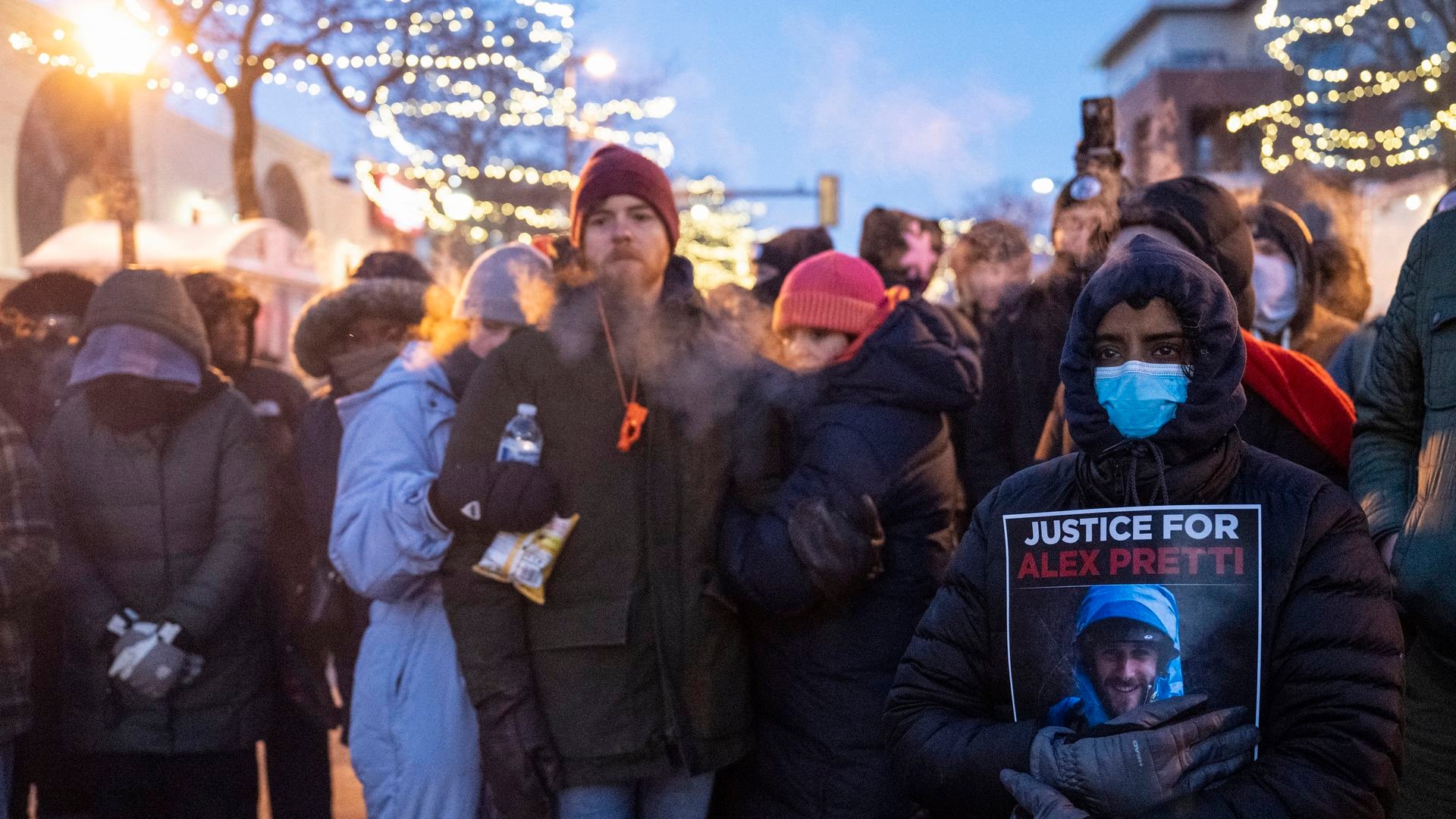
Community advocates emphasize that evidentiary transparency directly impacts public trust. Vigils at the Minneapolis memorial site continue drawing crowds, with organizers citing the judge's decision as a procedural victory. Legal analysts note preserved evidence enables three critical assessments: whether lethal force protocols were followed, if de-escalation measures were attempted, and whether systemic training deficiencies contributed to the outcome—all factors influencing potential wrongful death claims.
As the case progresses, the preserved evidence will undergo independent forensic analysis. The court mandated quarterly audits of stored materials until litigation concludes, establishing a replicable framework for similar cases. With over 140 documented instances of federal officers discharging weapons during operations last year, this ruling sets operational and financial precedents extending far beyond Minnesota.
Comments
Please log in or register to join the discussion