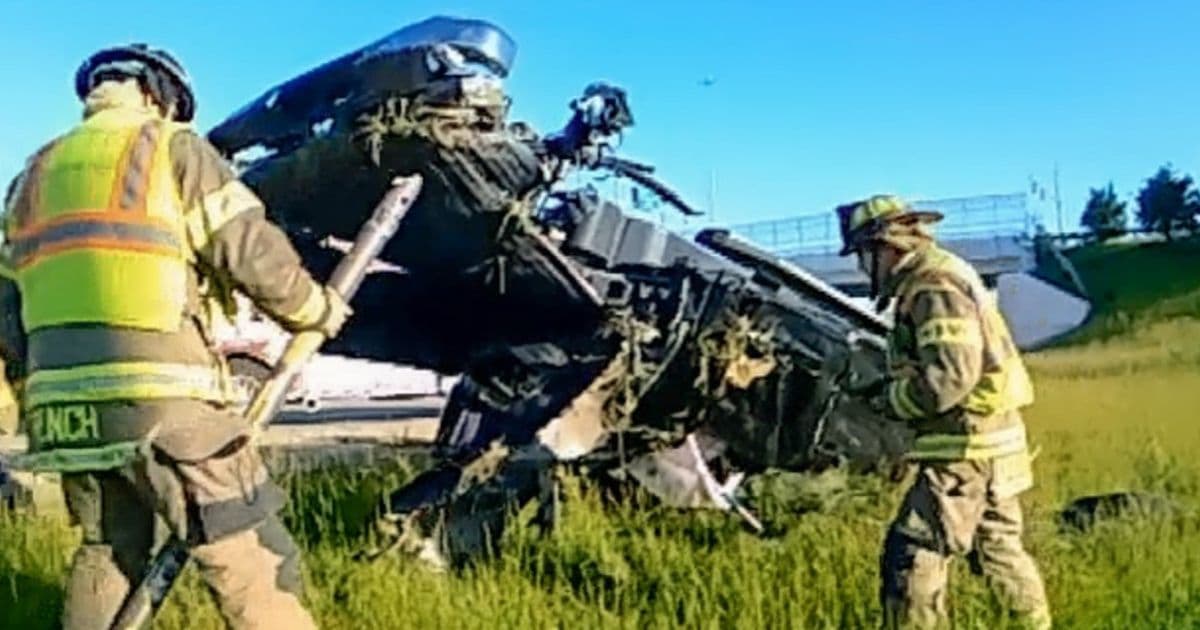
NHTSA is investigating Ford's hands-free driving system after reports of driver confusion and crashes, with internal documents showing the company was aware of usability issues during development.
The National Highway Traffic Safety Administration is investigating Ford's BlueCruise hands-free driving system following a series of crashes and mounting complaints from drivers who say the technology is confusing to use and difficult to understand. Internal company documents obtained by the Wall Street Journal reveal that Ford was aware of these issues during BlueCruise's development, with research showing that some drivers misunderstood the system's limitations and failed to heed its warnings.
The investigation comes at a critical time for Ford as it pushes to compete with Tesla's Autopilot and General Motors' Super Cruise in the automated driving market. BlueCruise, which allows for hands-free driving on pre-mapped highways, has been marketed as a premium feature but appears to be falling short of user expectations in practice.
Drivers report several key issues with the system. Many say they don't understand when BlueCruise is active or what conditions will cause it to disengage. The system uses a combination of visual indicators and haptic feedback to communicate its status, but users describe these warnings as unclear or easy to miss. Some drivers say they only realize BlueCruise has disengaged when they need to take control, creating potentially dangerous situations.
Ford's internal research, conducted during BlueCruise's development phase, identified these usability problems but the company proceeded with the launch anyway. The documents show that test drivers frequently misunderstood the system's capabilities, with some believing it could handle more complex driving scenarios than it actually can. This mirrors broader concerns about driver assistance systems creating a false sense of security.
The timing of the investigation is particularly challenging for Ford, which has been investing heavily in its Ford+ strategy that emphasizes software and services revenue. BlueCruise is a key component of this strategy, with the company charging subscription fees for the feature after an initial trial period. Any negative publicity or regulatory action could impact Ford's ability to monetize these advanced driver assistance features.
This situation highlights a growing tension in the automotive industry as traditional manufacturers race to catch up with Tesla's driver assistance technology. While Tesla has faced its own scrutiny over Autopilot, including multiple investigations and lawsuits, Ford and other legacy automakers are discovering that developing and deploying these systems involves more than just the technology itself.
User education and interface design prove to be critical factors that can determine whether these systems enhance safety or create new risks. The confusion reported by BlueCruise users suggests that Ford may have prioritized getting to market over ensuring drivers fully understood how to use the system safely.
The NHTSA investigation could result in recalls, software updates, or new requirements for how Ford communicates BlueCruise's capabilities to drivers. The agency has been increasingly focused on automated driving systems, particularly after high-profile crashes involving Tesla's Autopilot.
For consumers, this investigation serves as a reminder that current driver assistance technologies, despite marketing claims, still require active driver engagement and understanding. The gap between what these systems can do and what drivers believe they can do remains a significant safety concern.
Ford has stated that it is cooperating with the NHTSA investigation and maintains that BlueCruise is designed to enhance safety when used as intended. The company points to its driver monitoring system, which uses cameras to ensure drivers are paying attention, as evidence of its commitment to safety.
However, the internal documents suggest that Ford knew about the potential for driver confusion before BlueCruise was released to the public. This raises questions about whether the company adequately addressed these concerns or whether it prioritized speed to market over user comprehension.
The outcome of this investigation could have implications beyond Ford, potentially affecting how all automakers develop, test, and deploy driver assistance technologies. As these systems become more common and more advanced, ensuring that drivers understand their limitations becomes increasingly important.
Industry analysts note that the challenges Ford faces with BlueCruise are not unique. As more vehicles incorporate sophisticated driver assistance features, manufacturers are grappling with how to communicate complex technical capabilities to average consumers who may not have technical backgrounds.
The investigation also underscores the regulatory challenges facing automated driving technology. While the technology continues to advance rapidly, regulatory frameworks and safety standards are struggling to keep pace. This creates a situation where innovative features can reach the market before their full implications are understood.
For Ford, the stakes are particularly high. The company has positioned BlueCruise as a differentiator in its vehicle lineup and a source of recurring revenue through subscriptions. Any requirement to modify the system or its user interface could impact both its functionality and its market appeal.
As the NHTSA investigation proceeds, the automotive industry will be watching closely. The findings could influence how future driver assistance systems are designed, tested, and deployed, potentially setting new standards for user interface design and driver education in an era of increasingly automated vehicles.
The situation with BlueCruise serves as a cautionary tale about the challenges of bringing advanced technology to market quickly while ensuring it is safe and understandable for everyday users. As vehicles become more like computers on wheels, the lessons learned from these early deployments will shape the future of automotive technology and regulation.
Comments
Please log in or register to join the discussion