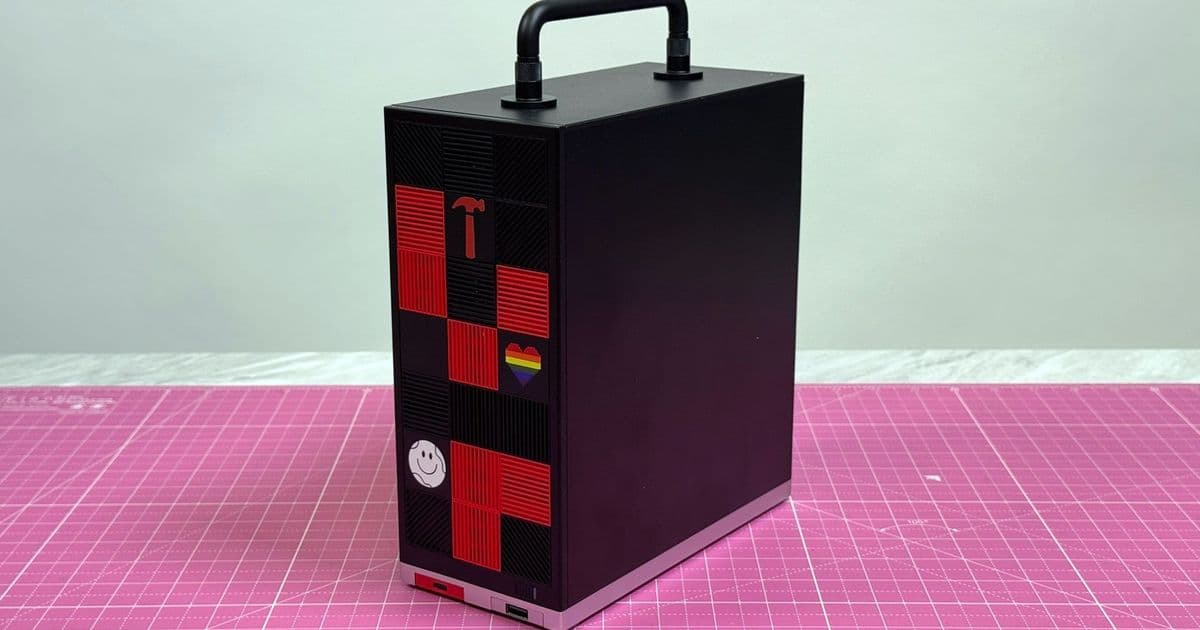
Framework CEO Nirav Patel confirms the company can no longer absorb supplier cost increases for LPDDR5x memory, raising desktop system prices across all configurations as AI datacenter demand drains the component supply chain.
Framework, the DIY-focused PC manufacturer, announced immediate price increases across its desktop lineup today, citing relentless escalation in LPDDR5x memory costs that have finally overwhelmed the company's ability to hold pricing steady. The move marks the first time Framework has raised prices on complete systems, though the company had previously warned of impending hikes when it increased standalone RAM module pricing in December.
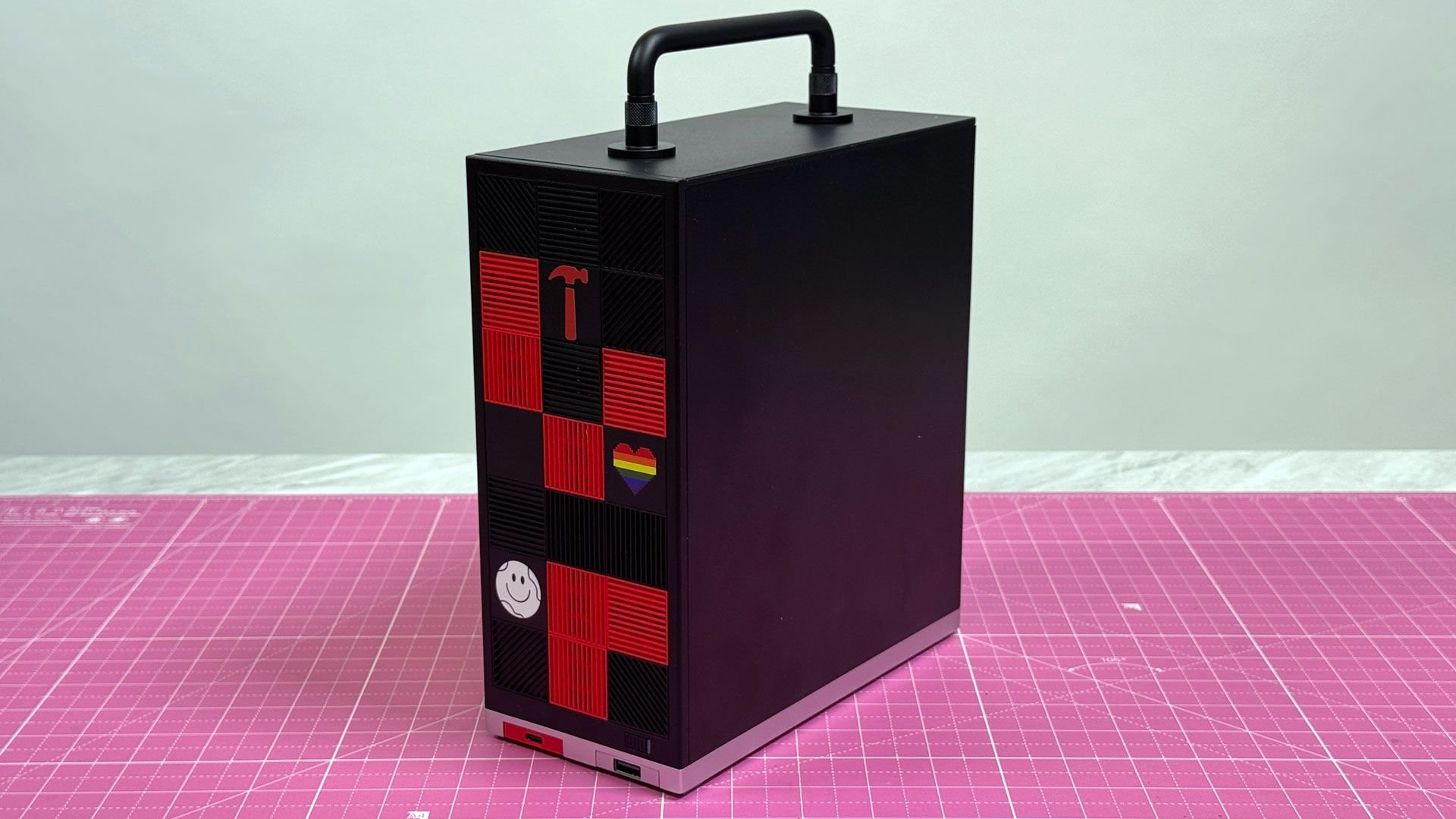
"We held off on it as long as we could, but with LPDDR5x memory prices from our suppliers continuing to increase rapidly, we’ve had to update the pricing on Framework Desktop systems and Mainboards," CEO Nirav Patel wrote in a blog post update. The statement frames the increase as a direct pass-through of supplier costs rather than a margin expansion play, a distinction Framework has emphasized throughout its pricing transparency efforts.
The base Framework Desktop configuration—powered by AMD's Ryzen AI Max 385 processor with Radeon 8050S graphics and 32GB of soldered RAM—now starts at $1,139, up from $1,099. That's a $40 increase, or roughly 3.6%, on the entry-level model. The premium configuration sees a far steeper jump: the Ryzen AI Max+ 395 APU with Radeon 8060S graphics and 128GB of RAM now starts at $2,459, a $460 increase from the previous $1,999 starting price. That represents a 23% premium over the original launch pricing.
These price hikes stem directly from the Framework Desktop's unique architectural constraint: it's the only product in Framework's catalog with soldered memory. The AMD "Strix Halo" APU that powers the system requires LPDDR5x memory to be mounted directly to the mainboard for optimal signal integrity and bandwidth, eliminating the socketed DIMM slots that would allow users to source their own RAM. Unlike Framework's laptops, where customers can purchase base models and install third-party memory modules, the desktop forces buyers to accept whatever memory configuration and pricing Framework sources from its suppliers.
Patel's blog post makes clear this is not a temporary situation. "The memory outlook as we enter 2026 continues to get worse," he wrote, suggesting that further price adjustments may be necessary if supplier costs continue their upward trajectory. This warning aligns with broader industry signals that the memory market will remain constrained well into next year.
The root cause of the shortage is a fundamental shift in memory manufacturer priorities. DRAM suppliers—primarily Samsung, SK Hynix, and Micron—are aggressively pivoting production capacity toward high-margin AI datacenter products, particularly high-bandwidth memory (HBM) used in GPUs and custom accelerators. The foundry space is finite, and the profit margins on datacenter-grade memory far exceed those on consumer LPDDR5x. As a result, consumer electronics manufacturers are finding themselves at the back of the line for both supply allocation and favorable pricing.
This isn't an isolated Framework problem. The article notes that major OEMs including Dell and Asus are preparing their own price increases, and even Raspberry Pi—the single-board computer leader known for its aggressive cost engineering—has announced hikes. The pattern suggests a systemic supply issue rather than a company-specific procurement challenge.

For Framework specifically, the timing is particularly awkward. The company built its brand on modularity and user empowerment, marketing devices where "you can repair what you own." The Desktop's soldered RAM represents a rare departure from that philosophy, necessitated by the technical requirements of the Strix Halo platform. Now, that design decision leaves Framework unable to offer customers a workaround: they can't sell a barebones system and let users source cheaper memory elsewhere.
The company's transparency about the increases—publishing detailed blog posts rather than quietly updating web store prices—has become a hallmark of its communication strategy. In December, when RAM module prices climbed, Framework explicitly told customers that system pricing would likely follow. That advance warning softens the blow but doesn't change the underlying reality: building a PC in 2025 is getting more expensive, and the component that's hardest to source is the one that's supposed to be the most commoditized.
The broader market implications extend beyond Framework's customer base. If memory suppliers continue prioritizing datacenter contracts over consumer electronics, we may see a bifurcation in the PC market: high-end systems with soldered, supplier-controlled memory configurations, and traditional socketed systems that allow user upgrades but may face their own supply constraints. The Framework Desktop price hike is an early indicator that the RAM apocalypse isn't ending—it's just beginning to hit the systems that were designed to be immune to it.
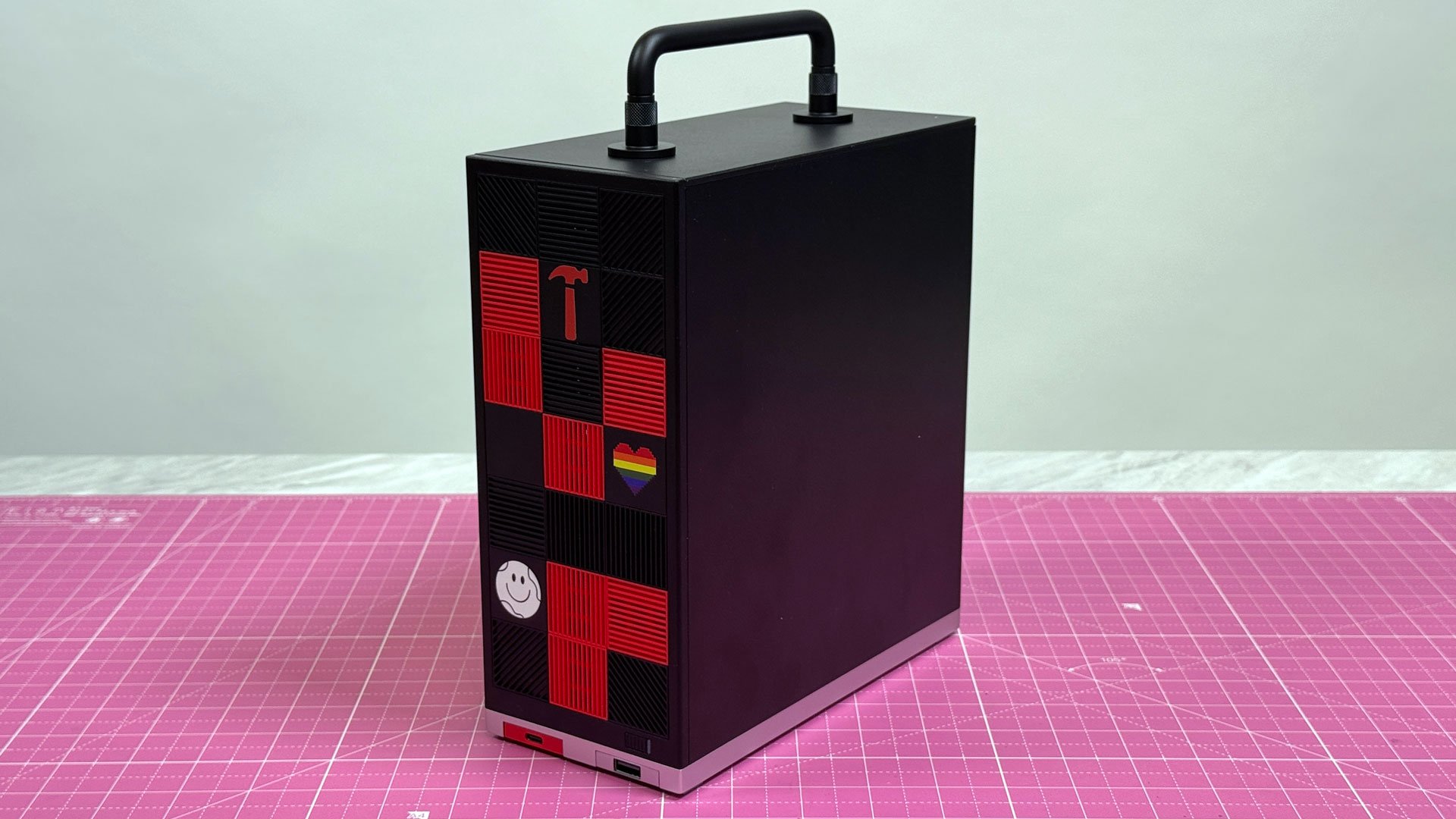
For consumers, the message is clear: if you're planning a Framework Desktop purchase, expect prices to continue climbing through 2026. The company's admission that "we held off as long as we could" suggests they've exhausted their buffer and will pass through future supplier increases directly. In a market where AI datacenters are writing the checks for memory production, the DIY PC builder is no longer the priority customer.
The question now is whether other manufacturers using soldered LPDDR5x will follow Framework's lead in transparency, or if customers will face the same price pressures without the courtesy of a blog post explaining why.
Comments
Please log in or register to join the discussion