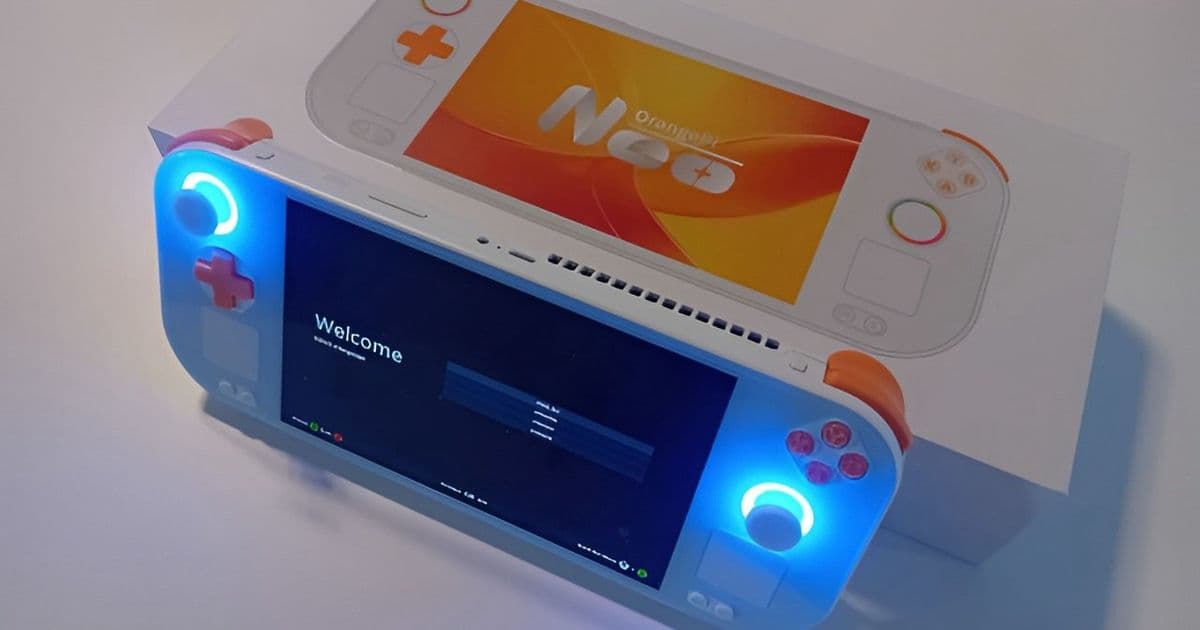
The Linux-based gaming handheld faces indefinite postponement as component prices surge, though development continues on software and certifications.
The Orange Pi Neo gaming handheld has hit a major roadblock in its development journey, with the project now facing an indefinite delay due to skyrocketing RAM and storage costs. The developer behind this ambitious Linux-based handheld gaming device has confirmed that pricing fluctuations for these critical components have forced them to put the project on hold, though they emphasize it hasn't been canceled entirely.
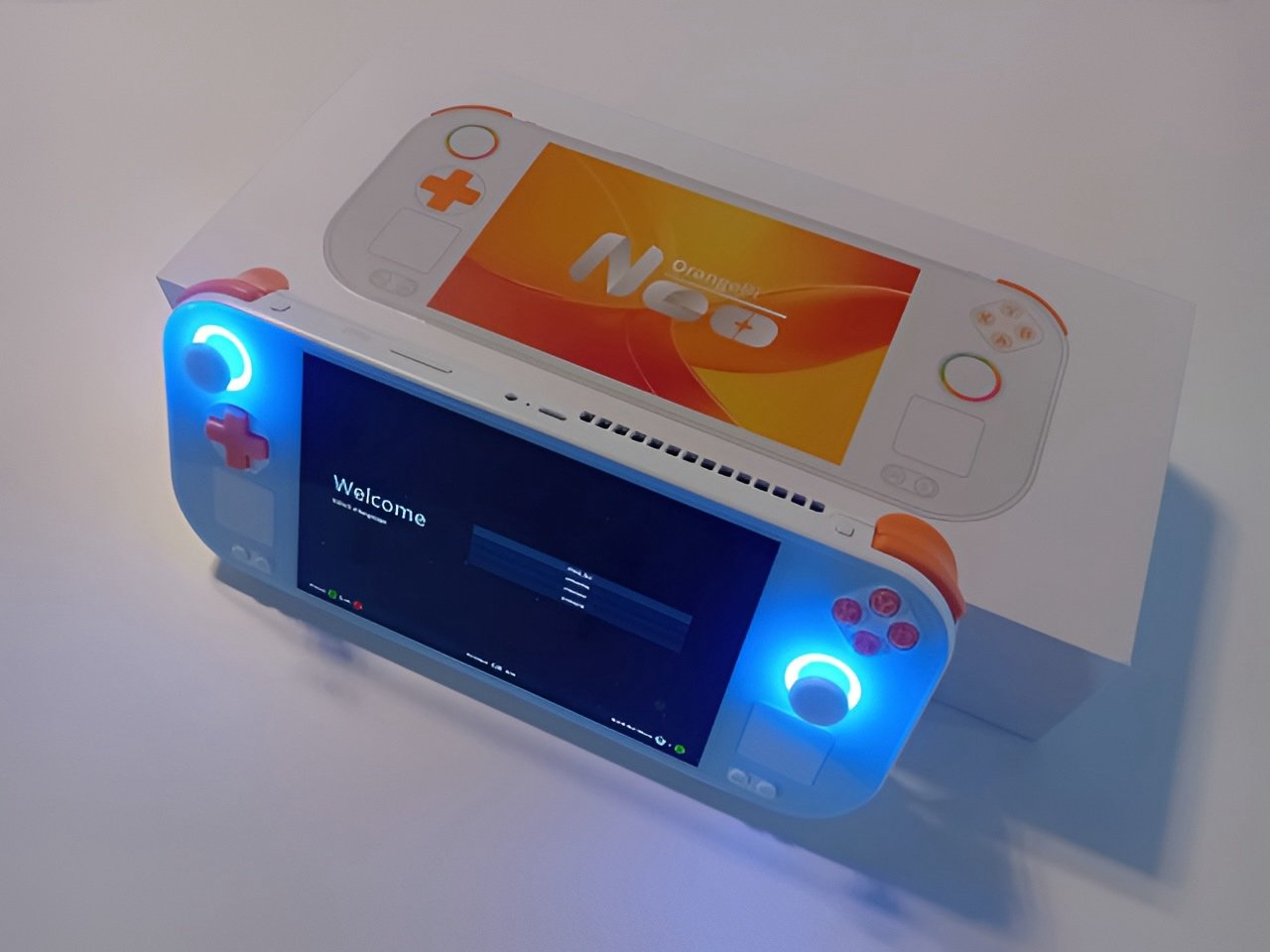
This setback represents yet another casualty in the ongoing component shortage crisis that has plagued the consumer tech industry for years. Small manufacturers like Orange Pi appear to be particularly vulnerable to these market pressures, lacking the purchasing power and supply chain leverage of larger competitors. The developer's statement paints a grim picture for independent hardware projects trying to bring innovative products to market in today's economic climate.
Despite the hardware delays, the software development side of the Orange Pi Neo continues to make meaningful progress. The Manjaro Gaming Edition team, led by philm, has reported significant improvements to the handheld's operating system. This Linux distribution has been specifically optimized for gaming handhelds, addressing many of the unique challenges these devices face, from power management to controller integration.
Adding to the positive developments, the Orange Pi Neo has successfully obtained both CE and FCC certifications. These regulatory approvals are crucial milestones that indicate the hardware design meets international safety and electromagnetic compatibility standards. While certifications don't guarantee a product will reach consumers, they do represent substantial progress in the development process.
The timing of this delay creates an interesting dilemma for the Orange Pi Neo. Originally announced nearly two years ago, the handheld was designed around AMD's Ryzen 7 7840U and 8840U APUs - powerful Zen 4-based processors that were cutting-edge when first revealed. However, the mobile processor landscape has evolved significantly since then, with newer options potentially offering better performance per watt or more competitive pricing.
This extended development timeline raises questions about whether the Orange Pi Neo will need a hardware refresh before launch. The Ryzen 7 7840U remains a capable chip, but the mobile gaming market moves quickly, and competitors may have introduced more compelling options by the time the Neo is ready for production. The developer may face pressure to upgrade to newer APUs to remain competitive, though this would likely further delay the project and increase costs.
Pricing presents another significant challenge for the Orange Pi Neo. The original target of $450 for a base configuration with 16GB RAM and 512GB storage now appears unrealistic given current market conditions. RAM and SSD prices have fluctuated dramatically over the past two years, with recent trends pointing upward due to various supply chain pressures. Industry analysts suggest that if the Neo does eventually launch, the price could easily exceed $600, putting it in direct competition with established gaming handhelds.
For consumers eager to get their hands on a gaming handheld today, the delay means looking at alternatives already available on the market. The ROG Xbox Ally, priced at $580 on Amazon, represents one such option for those unwilling to wait for the Orange Pi Neo's uncertain release window. However, the Neo's Linux-based approach and open-source philosophy continue to attract interest from enthusiasts who value customization and community-driven development over mainstream gaming ecosystems.
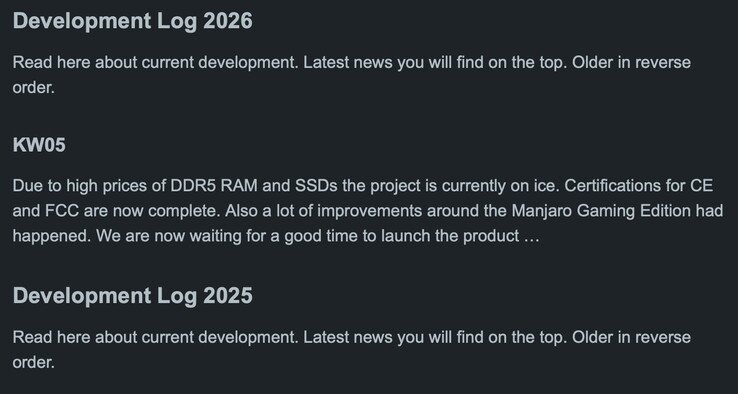
The statement from the Orange Pi Neo developer reveals the difficult position small hardware companies find themselves in during this period of economic uncertainty. While larger corporations can often weather component shortages through bulk purchasing agreements and diversified supply chains, smaller players must either absorb unsustainable costs or delay their products indefinitely.
Looking ahead, the future of the Orange Pi Neo depends entirely on when the component market stabilizes. The developer has made it clear that they remain committed to the project, but without a clear timeline for when RAM and storage prices might return to reasonable levels, potential buyers are left in limbo. This uncertainty is particularly challenging for a product that has already been in development for nearly two years.
The Orange Pi Neo's situation highlights broader issues facing the tech industry, particularly for innovative but small-scale projects. The combination of component shortages, inflation, and supply chain disruptions has created an environment where even well-designed products with strong software support can struggle to reach production. For the Linux gaming community, this delay represents a significant setback in the quest for viable open-source gaming hardware alternatives.
As the component market continues to evolve, the Orange Pi team faces critical decisions about whether to proceed with the current hardware design or implement updates to remain competitive. Whatever path they choose, the delay serves as a reminder of the complex challenges involved in bringing new hardware to market in today's economic environment.
Comments
Please log in or register to join the discussion