
France has exchanged an alleged ransomware facilitator wanted by U.S. authorities for a French conflict researcher imprisoned in Russia, highlighting tensions between geopolitical diplomacy and cybercrime accountability.
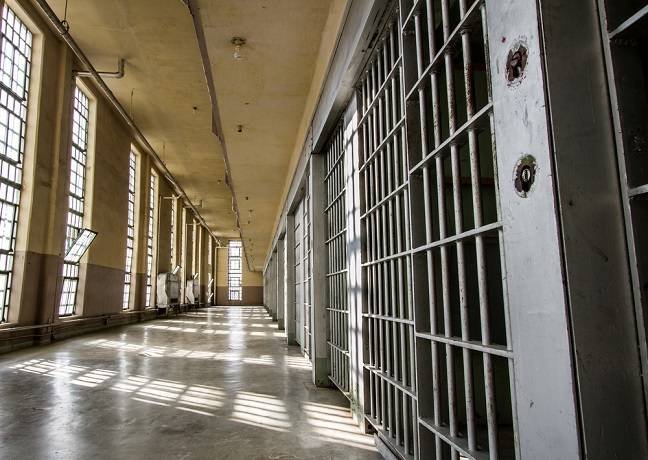
France has released Daniil Kasatkin, a Russian basketball player accused of facilitating ransomware negotiations for cybercriminals, as part of a prisoner exchange that secured the freedom of French researcher Laurent Vinatier from Russian custody. The swap occurred Thursday after months of diplomatic negotiations, revealing complex tensions between international justice systems and geopolitical bargaining.
The Alleged Cybercrime Facilitator
Kasatkin, 26, was arrested in France in June 2025 following a U.S. extradition request. Federal investigators alleged he assisted an unnamed cybercrime group between 2020-2022 by negotiating ransom payments with approximately 900 victims, including two U.S. federal agencies. These negotiations typically involved coercing victims to pay cryptocurrency ransoms under threat of data destruction or leaks—a violation of U.S. computer fraud laws carrying potential decades-long sentences.
Kasatkin maintained his innocence through French attorney Frédéric Belot, claiming technological ignorance: "He bought a used computer. He can't even install an app. It was either hacked or sold to him by a hacker." Despite these assertions, U.S. authorities built a case tying his digital footprint to ransomware transactions.
The Researcher's Ordeal
Vinatier, a 49-year-old political scientist working for Swiss NGO Centre for Humanitarian Dialogue, specialized in unofficial mediation between conflicting states—including research on the Ukraine war. Russian authorities arrested him in 2024 for failing to register as a "foreign agent," later escalating charges to espionage for allegedly gathering "military-technical information." He received a three-year sentence after what rights groups called a politically motivated trial.
Diplomatic Tradeoffs
This exchange continues Russia's pattern of "prisoner diplomacy" under Vladimir Putin, where detained Western citizens become bargaining chips for Russians sought abroad. In August 2024, Russia swapped 16 Western prisoners for eight Russians, including cybercriminals and a state assassin. Thursday's deal prioritized Vinatier's freedom over Kasatkin's potential U.S. prosecution.
French President Emmanuel Macron publicly celebrated Vinatier's return, stating: "Our compatriot is free... My gratitude to our diplomatic agents." The White House has not commented on losing access to Kasatkin.
Cyber Enforcement Implications
This case exposes critical challenges in combating transnational cybercrime:
Jurisdictional Fragmentation: When nations prioritize diplomatic goals over legal accountability, cybercriminals operating across borders gain de facto protection through state bargaining.
Victim Justice Delayed: Hundreds of ransomware victims—including government agencies—lose pathways to restitution or testimony when alleged facilitators avoid prosecution.
Enforcement Deterrence: Such exchanges risk emboldening cybercriminals who may operate from or travel to countries willing to shield them via political negotiations.
While no specific data protection laws (like GDPR or CCPA) were violated in the swap itself, the outcome indirectly impacts global cybersecurity enforcement. Ransomware attacks inherently violate these regulations by compromising personal data, yet geopolitical maneuvers can prevent perpetrators from facing consequences.
The resolution leaves open questions about balancing humanitarian concerns with cybercrime accountability—a tension likely to intensify as digital offenses increasingly become pawns in international relations. Without multilateral agreements preventing the weaponization of cyber suspects, victims may continue seeing justice traded for political expediency.
Comments
Please log in or register to join the discussion