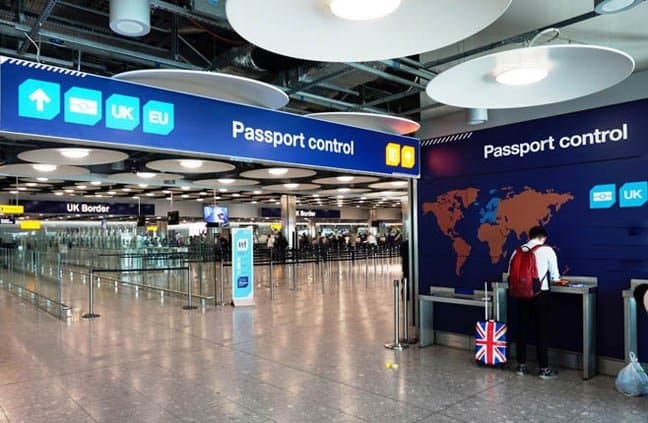
British citizens with dual nationality are being barred from entering the UK unless they have a British passport or expensive certificate, as the Home Office enforces its new digital travel document system.
The UK's push to digitize its border controls has created an unexpected crisis for British citizens with dual nationality, leaving many unable to return home without spending hundreds of pounds on documentation or waiting weeks for passport processing.
The Home Office implemented a major change on February 25, 2025, requiring all travelers to the UK to have specific forms of digital documentation. Under the new rules, visitors must present a current British or Irish passport, an electronic travel authorization (ETA), an eVisa, or another digital document. While the government introduced ETAs in October 2023, it only began strict enforcement this week.
For most international visitors from 85 countries including most of Europe, Australia, Canada, New Zealand, and the United States, obtaining permission to enter the UK has become a straightforward online process. The two-year ETA costs £16 and can be applied for through a website or mobile app. Airlines, ferries, and international train services must verify that passengers have proper authorization before boarding.
However, British citizens face a unique obstacle. The government prohibits those with British nationality from obtaining ETAs, forcing them to either possess a British passport or purchase a £589 certificate of entitlement. Both options require several weeks to process, creating immediate problems for travelers who lack proper documentation.
The human impact of this policy change has been severe. Jackie Wheatland, an 80-year-old dual Canadian-British citizen living in Alberta, told The Times she cannot afford to obtain a new UK passport. This financial barrier may force her to break a promise to attend the funeral of her 101-year-old former mother-in-law. "It's like a punishment, and it seems the UK government is taking a leaf out of the Trump playbook," she said.
Others have encountered bureaucratic confusion. A Polish woman who recently gained British citizenship through naturalization now holds dual nationality but remains uncertain whether she can return to the UK after visiting a sick relative in Poland. The citizenship process did not include applying for a passport, leaving her in limbo about her travel rights.
Home Office minister Mike Tapp defended the changes in response to parliamentary questions, stating that the government has "worked extensively to communicate the changes." He acknowledged that "this is a significant change for millions of travelers" but emphasized that the government allowed ample time between the ETA's 2023 introduction and the current enforcement phase.
Financially, the new system has proven lucrative for the government. Since introducing ETAs in October 2023, the Home Office has collected over £383 million from more than 19 million travelers. While many ETA applications receive approval within minutes, the department recommends allowing three working days for processing.
The policy creates particular hardship for elderly dual nationals, those with limited financial resources, and recent British citizens who assumed their new status would not create travel complications. Unlike visitors who can quickly obtain the £16 ETA, British citizens must navigate either the passport application process or pay the substantial fee for a certificate of entitlement.
This situation highlights the challenges of implementing large-scale digital immigration systems without fully considering edge cases and the practical realities faced by affected populations. The Home Office's digitization drive, aimed at creating a "contactless border" and preventing threats, has instead created barriers for citizens who should have the most straightforward path to entering their own country.
The timing of strict enforcement, coming years after the initial ETA introduction, has caught many dual nationals off guard. Those who traveled freely with their non-British passports or who assumed their British citizenship status would not affect routine travel now find themselves unexpectedly grounded.
As the UK continues its border digitization efforts, this episode serves as a cautionary tale about the importance of comprehensive impact assessment and clear communication when implementing policies that affect millions of travelers, particularly those with complex citizenship situations.
Comments
Please log in or register to join the discussion