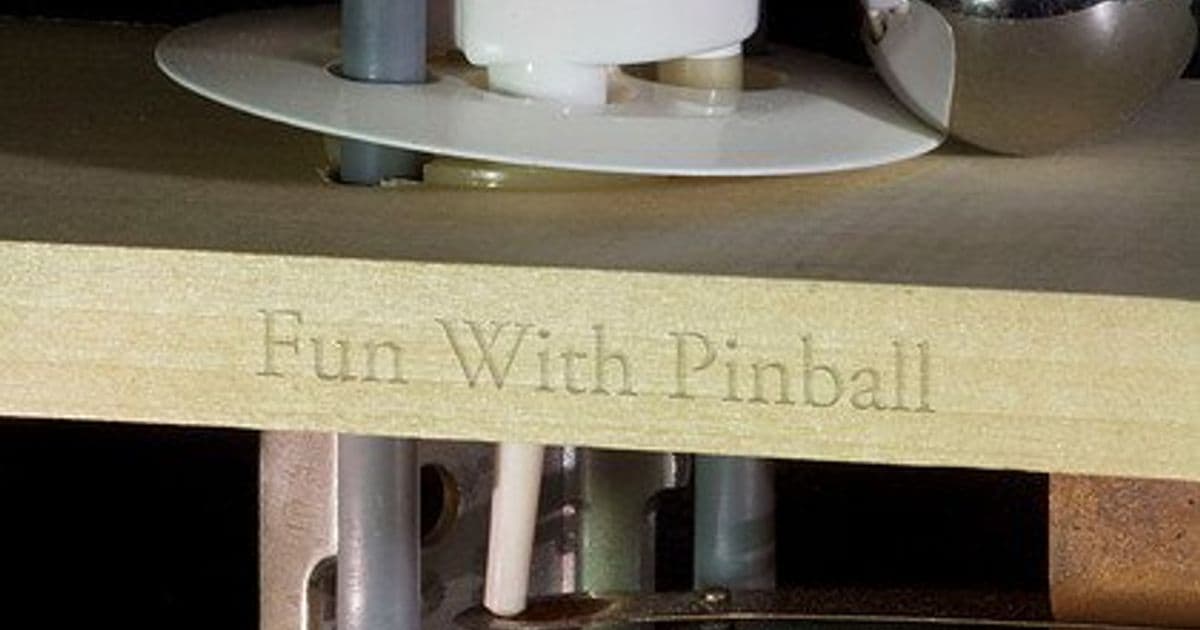
An interactive exhibit breaks down vintage pinball machine components into standalone educational displays, featuring detailed demonstrations of solenoids, relays, scoring systems, and other electromechanical systems.
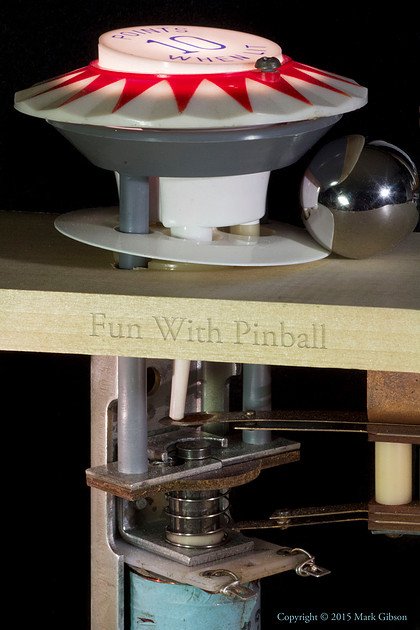
At Fun With Pinball's Small Boards exhibit, vintage arcade engineering takes center stage through a series of modular demonstration units. Each self-contained board isolates fundamental pinball mechanisms – from solenoids and relays to scoring reels and specialty units – providing unprecedented visibility into the inner workings of these electromechanical marvels.
The exhibit's modular design allows boards to connect via standardized connectors along a power backbone delivering 24V AC for solenoids and 6V AC for lamps. This flexible arrangement enables reconfiguration of displays while simplifying maintenance. Every unit includes an instructional placard explaining its function, complemented by video demonstrations showing mechanisms in action at reduced speeds impossible to observe in actual gameplay.
Core components demonstrated include:
- Solenoids: The exhibit showcases deliberately slowed solenoid operation to visualize plunger movement typically invisible at full speed. A companion video contrasts normal operation with slowed demonstrations using extended plungers (Solenoid demonstration).
- Relay Systems: Three relay types are displayed – standard, interlocking, and cam-actuated variants – illustrating their role in switch control and logic circuits.
- Gameplay Components: Specialized boards feature pop bumpers with microcontroller-slowed animations revealing actuation sequences, flipper mechanisms (including rare zipper flippers), and various target systems.
Scoring and game management systems receive detailed treatment:
- Stepper Units: These position-tracking mechanisms demonstrate ratcheting and escapement mechanics through visible gear trains.
- Ball Count & Credit Units: Exhibits show how these specialized steppers manage game state with mechanical limit switches preventing overruns (Credit unit demonstration).
- Score Reels: Transparent housings reveal the switch logic behind mechanical digit advancement and reset functions.
Among the most intricate displays is the Spin Unit, which uses interconnected steppers and a spinning contact to create randomized outcomes. As exhibit creator Mark Gibson explains: "The first stepper winds a spring that powers the spinner, which then advances the second stepper an unpredictable number of steps. This mechanical randomness generator was crucial before digital RNG solutions."
The exhibit extends beyond gameplay to include projection-based credit displays and specialty assemblies like captive ball units. Each demonstration links to patent documentation showing historical engineering evolution.
For educators and preservationists, the Small Boards exhibit provides unparalleled access to electromechanical principles that powered arcades for decades. The project continues expanding with additional assemblies documented on subsequent pages. All exhibits are accessible at Fun With Pinball, offering free educational resources for mechanical engineering enthusiasts and gaming historians.
Comments
Please log in or register to join the discussion