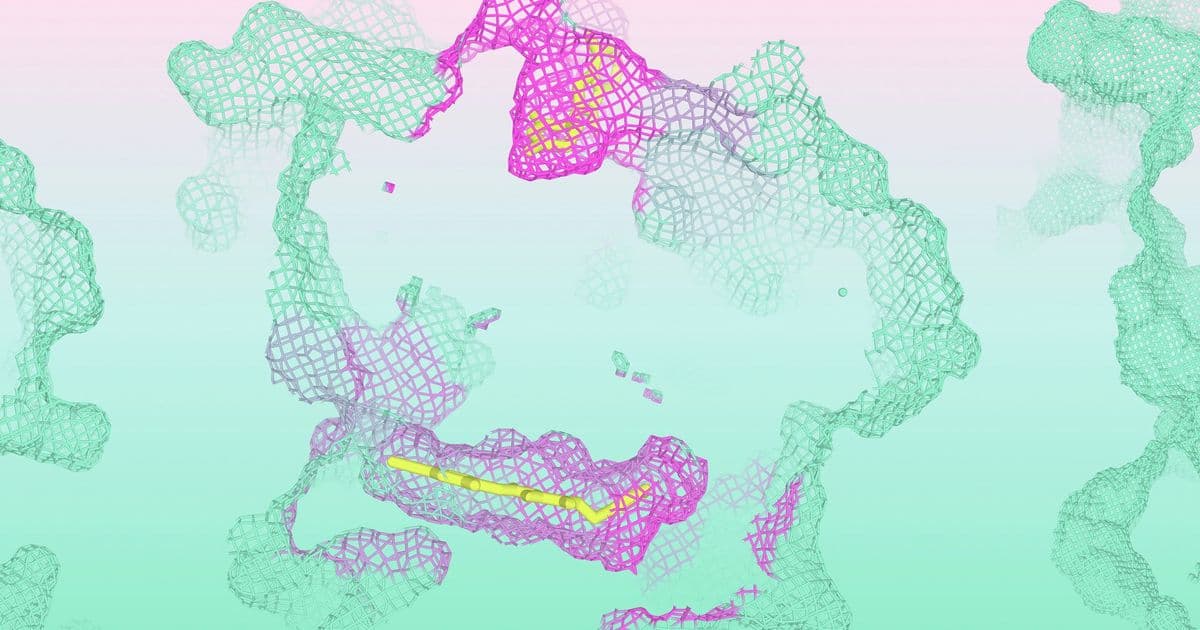
Google DeepMind spinoff Isomorphic Labs announces IsoDDE, a drug design system claiming superior biomolecular structure prediction over AlphaFold 3, signaling accelerated AI-driven drug discovery.
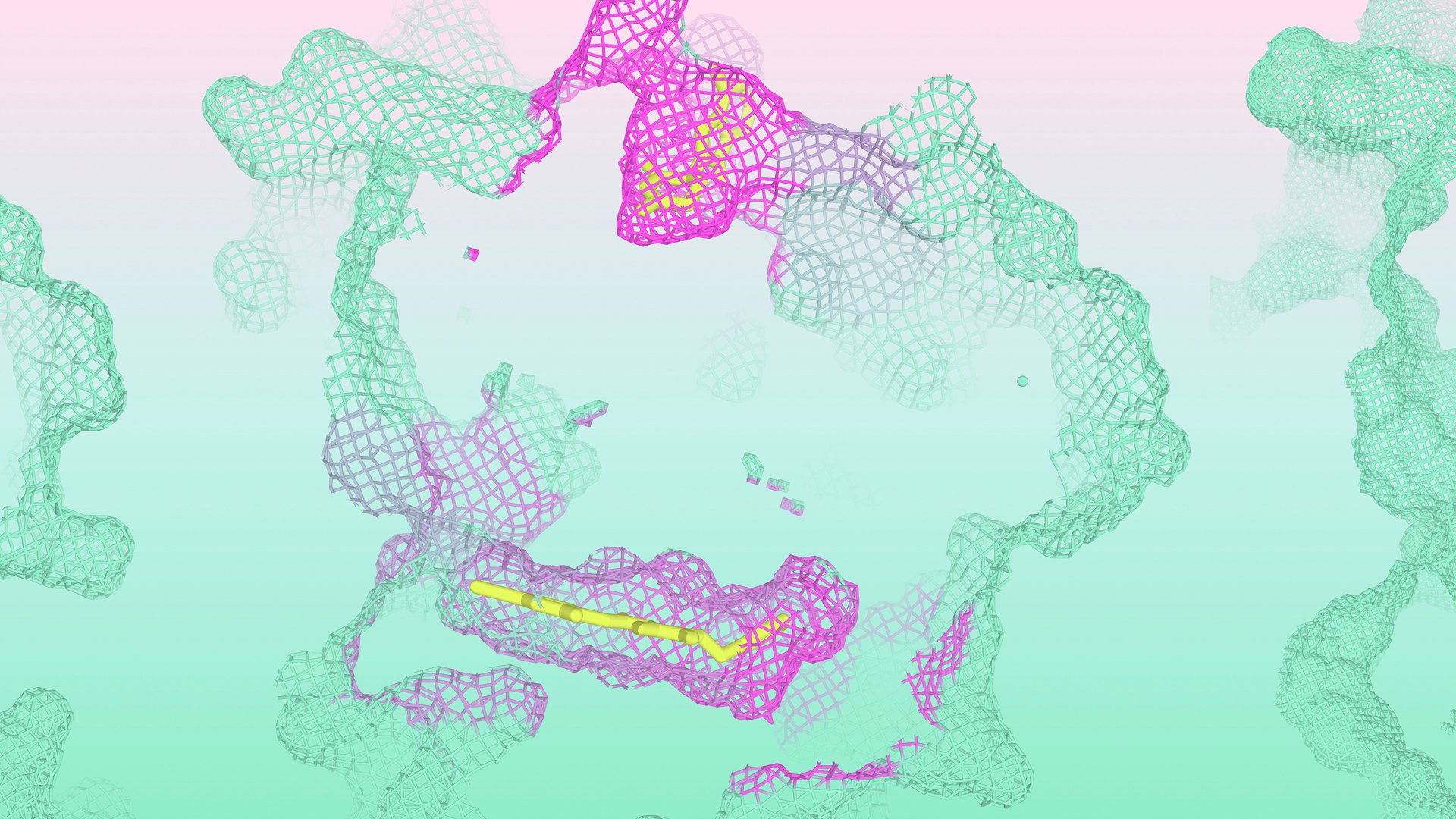
The trajectory of computational biology took another sharp turn this week as Isomorphic Labs, an Alphabet-backed company spun out of Google DeepMind, unveiled IsoDDE. This new drug design system reportedly outperforms DeepMind's own AlphaFold 3 in predicting biomolecular structures, a claim that could reshape pharmaceutical R&D timelines if validated. The announcement arrives at a pivotal moment, just months after AlphaFold 3 demonstrated unprecedented accuracy in modeling protein-DNA interactions.
According to Isomorphic's announcement, IsoDDE represents a "new paradigm" in drug discovery. Where AlphaFold focused primarily on predicting static protein structures, IsoDDE appears engineered for dynamic molecular simulations critical to drug design—modeling how potential drug compounds interact with target proteins in physiological conditions. Early benchmarks suggest improvements in predicting binding affinities and conformational changes, essential for identifying viable drug candidates. The system reportedly achieves this through novel architectures building upon transformer networks and geometric deep learning principles, though the company hasn't yet released detailed technical specifications or peer-reviewed validation.
Industry observers note the strategic significance of this development. Isomorphic Labs, led by DeepMind co-founder Demis Hassabis, operates with explicit focus on pharmaceutical applications, unlike DeepMind's broader AI research mandate. This specialized mission appears to be yielding accelerated progress in therapeutic domains. Pharmaceutical partners already using early versions of Isomorphic's technology—including Lilly and Novartis—reportedly contributed to validating IsoDDE's capabilities against real-world drug discovery challenges.
However, several counter-perspectives temper the enthusiasm. First, claims of surpassing AlphaFold 3 remain unverified by independent researchers. AlphaFold's reputation stems from rigorous CASP competition performances and open-source availability, whereas IsoDDE's benchmarks originate from Isomorphic's internal testing. Dr. Sarah Richardson, a computational biophysicist unaffiliated with the project, notes: "Until we see reproducible benchmarks on standardized datasets like PDBbind, it's premature to declare superiority. Drug discovery involves more than binding prediction—it's about solubility, toxicity, and metabolic stability."
Second, practical barriers persist. While AI accelerates target identification, transforming predictions into viable drugs still requires extensive wet-lab experimentation. The average drug development timeline remains 10-15 years, with AI primarily compressing early discovery phases. Additionally, computational cost presents hurdles; AlphaFold 3's resource intensity limited accessibility, and IsoDDE's requirements define whether it remains a tool for well-funded entities.
Third, competitive dynamics intensify. Companies like Recursion Pharmaceuticals and Relay Therapeutics deploy proprietary AI platforms, while open-source alternatives such as OpenFold continue evolving. This ecosystem progression suggests Isomorphic's advantage may be temporary unless coupled with unique data partnerships or scalable infrastructure.
Despite these caveats, Isomorphic's progress signals tangible momentum. The company simultaneously announced expanded partnerships with pharmaceutical giants, implying confidence in translating IsoDDE into clinical pipelines. With DeepMind's foundational research and Isomorphic's applied focus, Alphabet now fields complementary AI drug discovery engines—potentially accelerating treatments for complex diseases. As the field advances, the critical question shifts from prediction accuracy to tangible patient outcomes: Can systems like IsoDDE consistently deliver molecules that succeed in human trials? The industry watches for clinical validations in the coming years.
For further details, visit Isomorphic Labs' announcement and explore AlphaFold's research at DeepMind.
Comments
Please log in or register to join the discussion