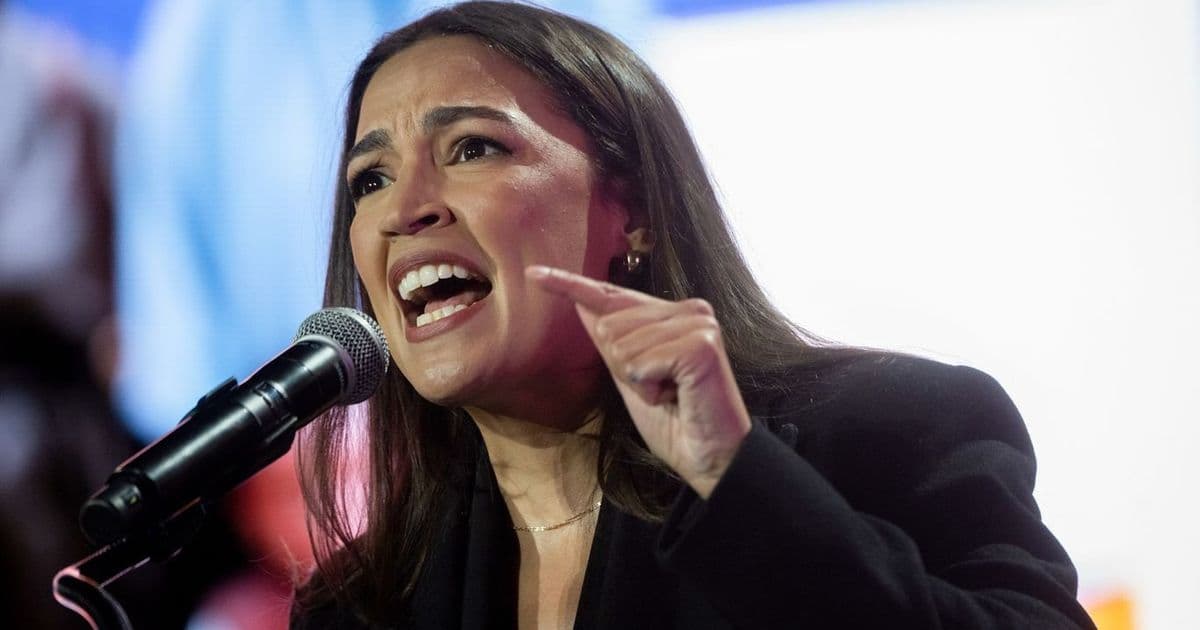
Following a shooting in Minneapolis, Democratic lawmakers are proposing aggressive new gun control measures, including federal buyback programs and restrictions on high-capacity magazines, signaling a potential shift in legislative strategy amid ongoing political gridlock.
A shooting in Minneapolis has reignited the national debate on gun violence, prompting a wave of furious responses from Democratic lawmakers who are now floating more drastic policy proposals than previously seen. The incident, which occurred in a public space and resulted in multiple casualties, has become a catalyst for a renewed push toward aggressive federal intervention.
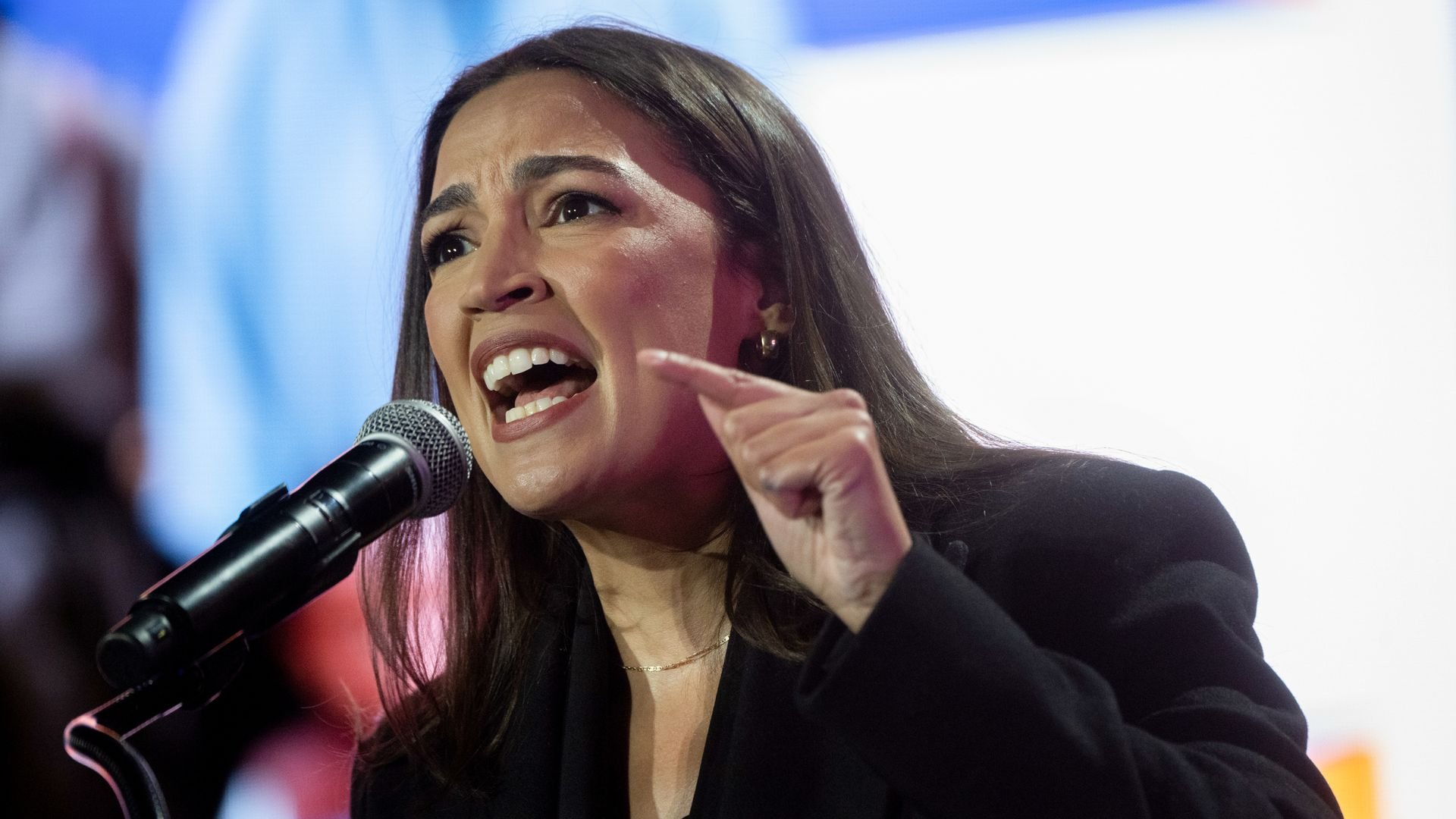
The political reaction has been swift and unusually severe. Key figures in the Democratic party are advocating for measures that would have been considered politically untenable just a few years ago. Proposals currently being discussed in closed-door sessions and public statements include a mandatory federal buyback program for certain classes of firearms, a national registry for all gun purchases, and a complete ban on the sale of high-capacity magazines. These ideas represent a significant departure from the more incremental approach that has characterized gun control legislation in recent years.
The market context for this shift is rooted in both public sentiment and electoral calculus. Polling data consistently shows a majority of Americans, including a significant portion of gun owners, support universal background checks and red flag laws. However, the political market has been constrained by the filibuster and a deeply divided Senate. The Minneapolis shooting appears to have altered the risk-reward calculation for some Democrats, who now see an opportunity to leverage public outrage into tangible legislative action. The strategic implication is a potential realignment within the party, where moderate members may be pressured to support more aggressive measures to maintain their base.
What this means for the legislative landscape is a potential escalation in the political battle over firearms. If these proposals gain significant traction, they will face immediate and fierce opposition from Republican lawmakers and the gun rights lobby, likely leading to a protracted political standoff. The debate will also test the limits of executive authority, as the Biden administration may explore unilateral actions through regulatory agencies like the Bureau of Alcohol, Tobacco, Firearms and Explosives (ATF). The outcome of this renewed push will be a critical indicator of whether the long-standing gridlock on gun control can be broken, or if the political market will once again revert to a stalemate.
The broader implications extend beyond legislation. This moment highlights the increasing pressure on politicians to respond to crises with concrete policy rather than just statements of sympathy. For the tech and business sectors, the debate touches on issues of data privacy (in the case of a national registry) and the potential economic impact on the firearms industry, which is a significant manufacturing sector. The conversation also intersects with discussions on public safety technology, such as smart gun technology, which has seen limited adoption due to regulatory and market barriers. As the debate unfolds, the intersection of policy, public safety, and technology will remain a key area to watch.
Comments
Please log in or register to join the discussion