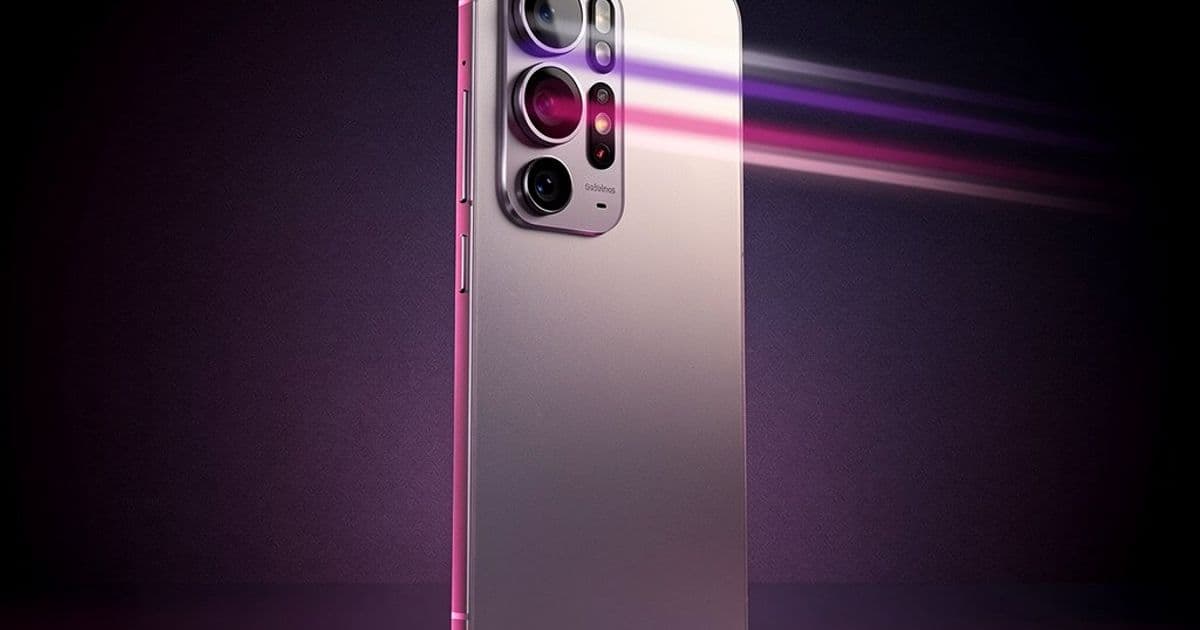
Apple is exploring multispectral sensors for future iPhones to enhance camera capabilities, potentially improving portrait accuracy and low-light performance while closing the gap with competitors.
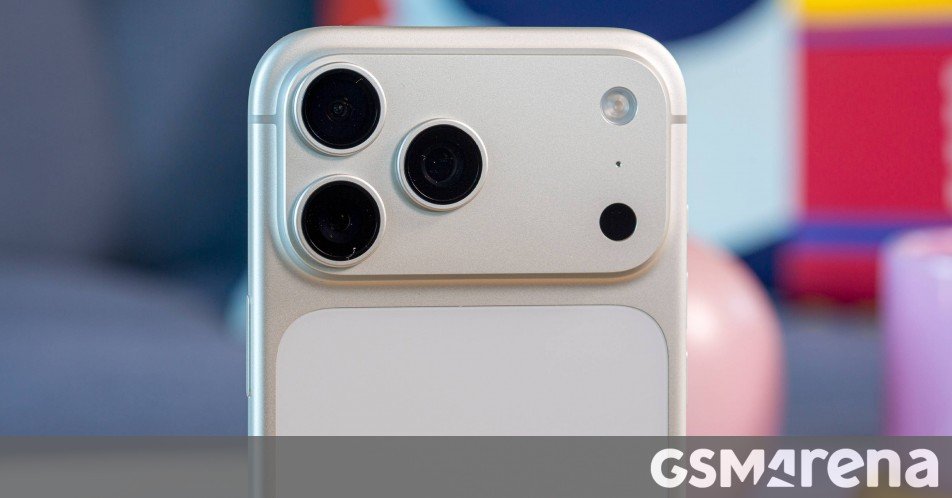
Apple is actively investigating multispectral imaging technology for upcoming iPhone models, according to reliable industry sources. This move signals a strategic effort to address its recent lag in camera hardware innovation compared to rivals like top-tier Chinese smartphone brands. While testing hasn't commenced yet, Apple has reportedly engaged suppliers about integrating these advanced sensors.
Multispectral sensors represent a significant departure from conventional smartphone cameras. Where traditional RGB sensors capture only red, green, and blue wavelengths visible to humans, multispectral sensors record light across multiple distinct wavelength bands. This includes portions of the spectrum invisible to the naked eye, such as infrared or ultraviolet ranges. By capturing this broader spectral data, the system gathers exponentially more environmental information than standard cameras.
The practical benefits for iPhone photography could be substantial. Enhanced material separation would allow the camera to better distinguish between different textures and surfaces, like differentiating leather from fabric or identifying glass reflections. Improved depth perception could lead to significantly more accurate portrait-mode effects with natural-looking background blur and precise subject isolation. The additional spectral data also provides richer input for computational photography algorithms, potentially boosting performance in challenging lighting conditions and enabling more advanced computational photography features.
Industry tipster Digital Chat Station notes that while Apple explores multispectral technology, other camera upgrades remain in development. The iPhone 18 Pro series is expected to feature a 48-megapixel main camera with a variable aperture mechanism, allowing dynamic adjustment of light intake similar to professional cameras. This would be paired with a larger 48-megapixel periscope telephoto lens for improved optical zoom capabilities. Separately, Apple is reportedly testing a 200-megapixel Samsung sensor for future models, indicating a multi-pronged approach to camera advancement.
For consumers, multispectral technology could meaningfully enhance everyday photography. More accurate depth data would reduce common portrait-mode errors like hair or glasses frames merging with backgrounds. The expanded light data could improve color accuracy under artificial lighting and provide better detail retention in shadows. Beyond photography, the sensor's ability to detect non-visible wavelengths could enable new augmented reality features or health monitoring applications, though Apple's implementation plans remain unconfirmed.
This development reflects Apple's intensified focus on computational imaging, where hardware advancements serve as foundations for software-driven improvements. If implemented successfully, multispectral sensors could help Apple regain leadership in smartphone photography by enabling features competitors cannot easily replicate through lens or megapixel upgrades alone. However, with testing yet to begin, these sensors likely wouldn't appear before 2027 models at the earliest.
Comments
Please log in or register to join the discussion