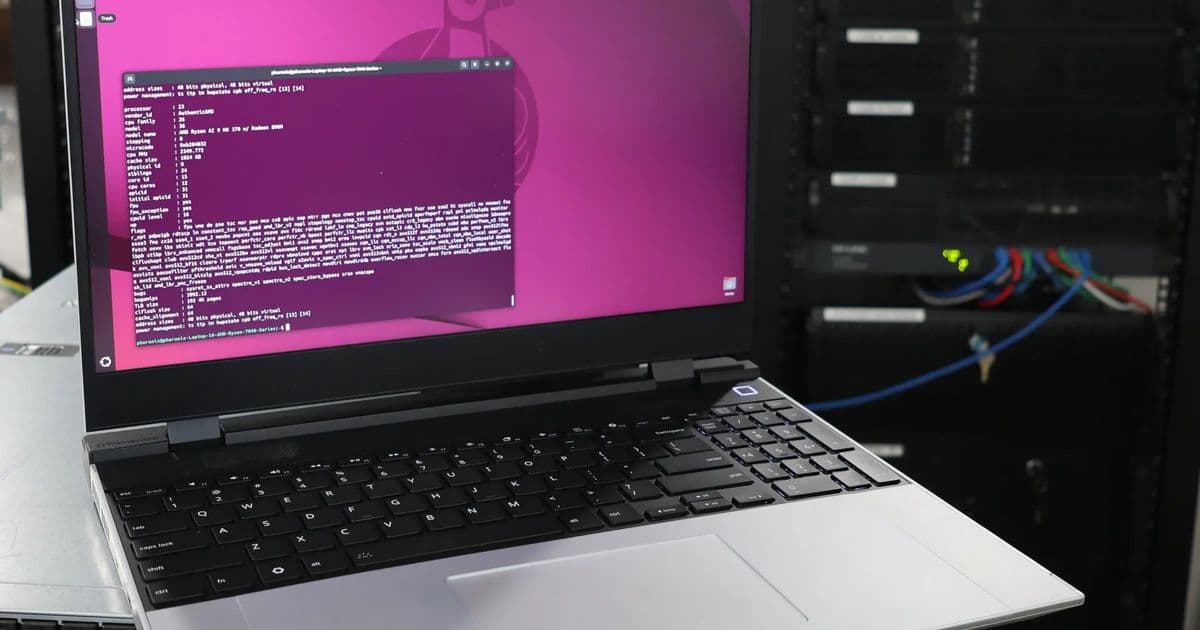
Fwupd 2.0.20 adds support for Framework Laptop's PixArt PJP274 controller, HP Engage One G2 Advanced Hub, and new Jabra audio devices while improving AMD UMA carveout management.
The Linux Vendor Firmware Service (LVFS) ecosystem continues to expand with the release of Fwupd 2.0.20, bringing crucial firmware update capabilities to new hardware platforms. The update, spearheaded by Red Hat's Richard Hughes, addresses several important use cases for Linux users, particularly those running Framework laptops and HP's enterprise hardware.
One of the most significant additions in this release is support for the PixArt PJP274 controller, a component found in both the Framework Laptop 13 and Framework Laptop 16 models. This controller handles various input and peripheral functions, and the ability to update its firmware directly through Fwupd streamlines the maintenance process for Framework users who rely on Linux as their primary operating system.
For enterprise environments, Fwupd 2.0.20 now supports the HP Engage One G2 Advanced Hub, part of HP's all-in-one computer system lineup. This addition is particularly relevant for businesses running Linux in their IT infrastructure, as it provides a standardized method for keeping firmware up to date without relying on proprietary tools or Windows-only utilities.
The update also extends support to several new Jabra GNP audio devices, expanding the range of professional audio equipment that can be managed through the LVFS ecosystem. This is especially valuable for Linux users in audio production, conferencing, and enterprise communication scenarios where Jabra devices are commonly deployed.
Beyond hardware support additions, Fwupd 2.0.20 introduces several technical improvements. The ability to change the AMD UMA carveout size provides users with more granular control over memory allocation, which can be crucial for optimizing performance in systems with integrated graphics. This feature is particularly relevant for users running Linux on AMD-based systems where memory management can significantly impact overall system responsiveness.
The release also includes enhanced user warnings for blocked-firmware functionality, improving transparency around potential security or compatibility issues. Additionally, the decision to disable UEFI plug-ins on 32-bit x86 systems reflects the ongoing evolution of the firmware ecosystem and the need to maintain compatibility with modern security standards.
These updates continue the steady progress of the LVFS project in making firmware management on Linux systems as seamless as it is on other platforms. For users of supported hardware, the improvements mean fewer barriers to maintaining system security and functionality through regular firmware updates.
More details on the Fwupd 2.0.20 release, including download links and technical documentation, are available on the official GitHub repository.
Comments
Please log in or register to join the discussion