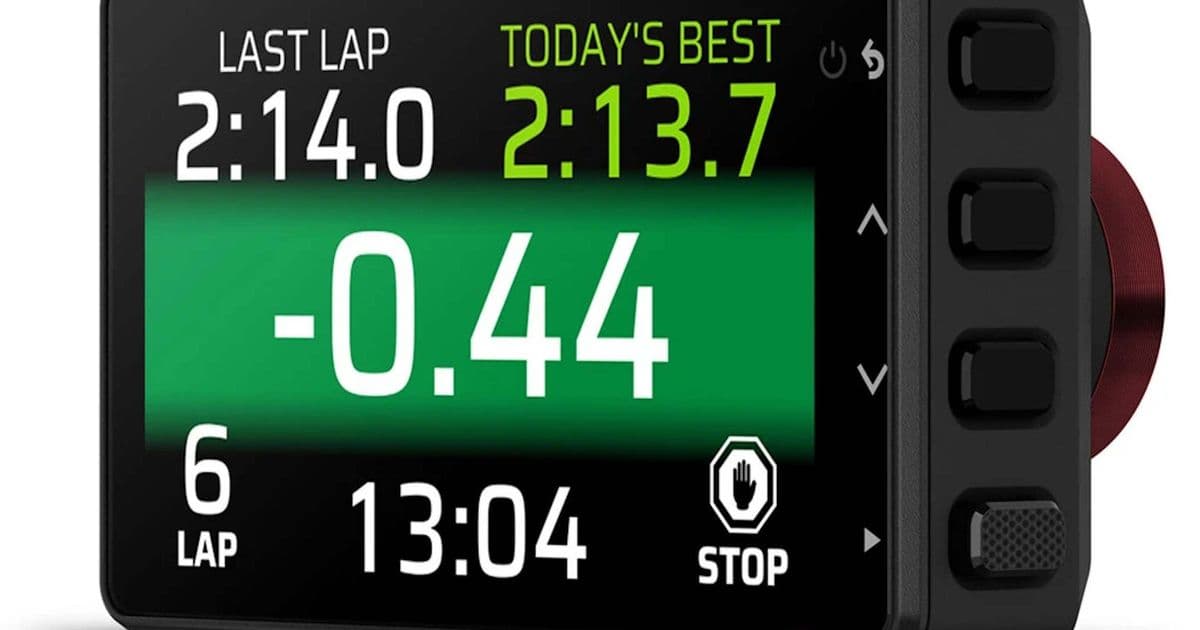
Garmin's new $1,199 racing device combines a 3-inch HUD, 25Hz GPS tracking, 1440p camera, and real-time audio coaching to help drivers improve lap times on closed courses.
The Garmin Catalyst 2 has officially launched as a comprehensive racing analytics system designed specifically for track use, bringing together a head-up display, camera recording, and AI-powered coaching in a single compact device. Priced at $1,199 and set to ship on February 20, the system represents Garmin's latest evolution in motorsport technology, building on the original Catalyst's foundation with enhanced features and social capabilities.
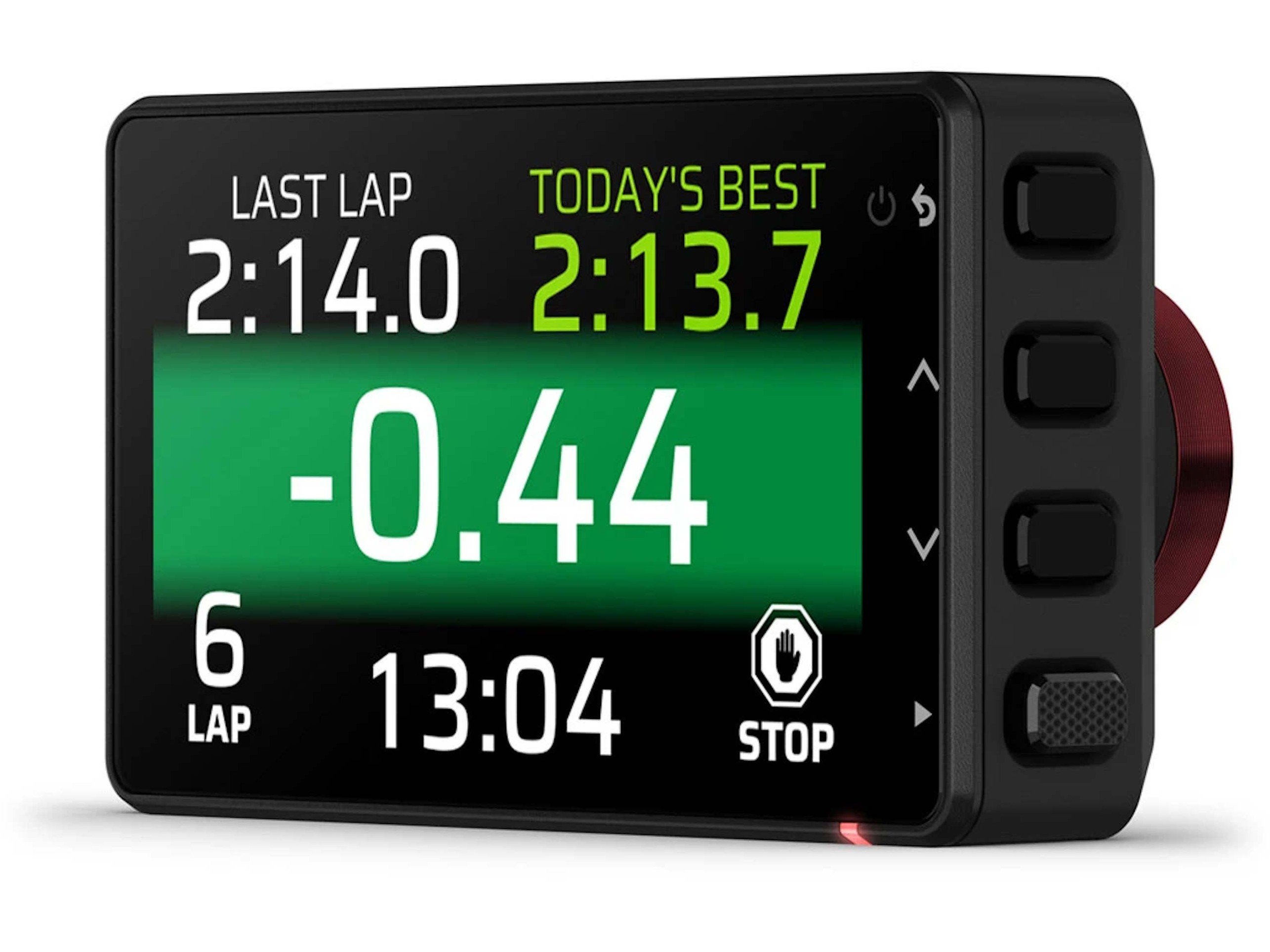
The device features a 3-inch display with 640 x 360 pixel resolution that serves as both a data visualization tool and a head-up display for drivers. Unlike traditional racing data loggers that require separate displays or post-session analysis, the Catalyst 2 provides real-time feedback through its screen and audio prompts delivered via headset or car speakers. This immediate feedback loop allows drivers to adjust their technique on the fly rather than waiting until after a session to review their performance.
At the heart of the system is Garmin's 25Hz GPS technology, which tracks vehicle position, speed, and acceleration with high precision. The higher sampling rate compared to standard GPS ensures accurate lap timing and detailed performance metrics. An integrated accelerometer supplements the GPS data, providing additional context for braking zones, acceleration points, and cornering forces. This combination of sensors enables the system to generate comprehensive performance data without requiring external wiring or installation.
One of the standout features is the real-time audio coaching system. As drivers navigate the track, the Catalyst 2 provides spoken guidance on optimal braking points, acceleration timing, and cornering techniques. These prompts are designed to help drivers maximize their performance without requiring them to look away from the track to check data displays. The system analyzes each lap in real-time and adjusts its coaching based on the driver's current performance and the specific characteristics of the track being driven.
After each driving session, the device automatically identifies and highlights the three segments with the greatest potential for improvement. This automated analysis eliminates the need for drivers to manually review hours of footage or data logs to find areas where they can gain time. The system focuses on actionable insights rather than overwhelming users with raw data, making it accessible to both novice track enthusiasts and experienced racers looking to refine their technique.
The built-in 1440p camera records each lap, capturing both the driver's perspective and the surrounding track environment. Video footage can be saved and accessed through Garmin's Vault subscription service, which also provides cloud storage and additional analysis tools. The camera integration means drivers can review not just their lap times and data, but also see exactly what happened during specific sections of the track, making it easier to correlate driving decisions with performance outcomes.
Garmin has also introduced social features that allow users to compare their performance with others on the same tracks. The system can filter comparisons by season, day, year, and even vehicle make and model, providing context for performance metrics. This means a driver in a Toyota Camry can realistically compare their lap times against other Camry drivers rather than being discouraged by comparisons to high-performance vehicles like BMW M3s. The social features add a competitive element while maintaining realistic expectations based on equipment differences.
Despite its racing-focused capabilities, Garmin explicitly states that the Catalyst 2 should not be used on public roads. While the company acknowledges that using the device on public roads isn't necessarily prohibited, they strongly advise against letting the system's guidance encourage speeding or other traffic violations. This disclaimer reflects the device's intended purpose as a track-only tool rather than a street driving aid.
The $1,199 price point positions the Catalyst 2 as a premium accessory for serious track enthusiasts rather than a casual gadget. When compared to traditional racing data systems that often require separate GPS modules, displays, cameras, and analysis software, the all-in-one approach offers convenience and integration benefits. However, the cost may be prohibitive for occasional track day participants who might prefer to rent similar equipment or use smartphone-based solutions.
For drivers who regularly participate in track events, time attack competitions, or performance driving schools, the Catalyst 2 offers a comprehensive solution that combines data acquisition, real-time feedback, and post-session analysis in a single package. The system's ability to provide immediate coaching while also offering detailed performance insights makes it a valuable tool for improving driving skills and achieving faster lap times.
The launch of the Garmin Catalyst 2 reflects the growing popularity of track driving and performance driving events among automotive enthusiasts. As more drivers seek to improve their skills and track their progress, integrated systems like this provide the tools needed to analyze performance and identify areas for improvement. The combination of hardware and software features, along with the social comparison capabilities, creates a complete ecosystem for motorsport enthusiasts looking to enhance their driving experience.
Comments
Please log in or register to join the discussion