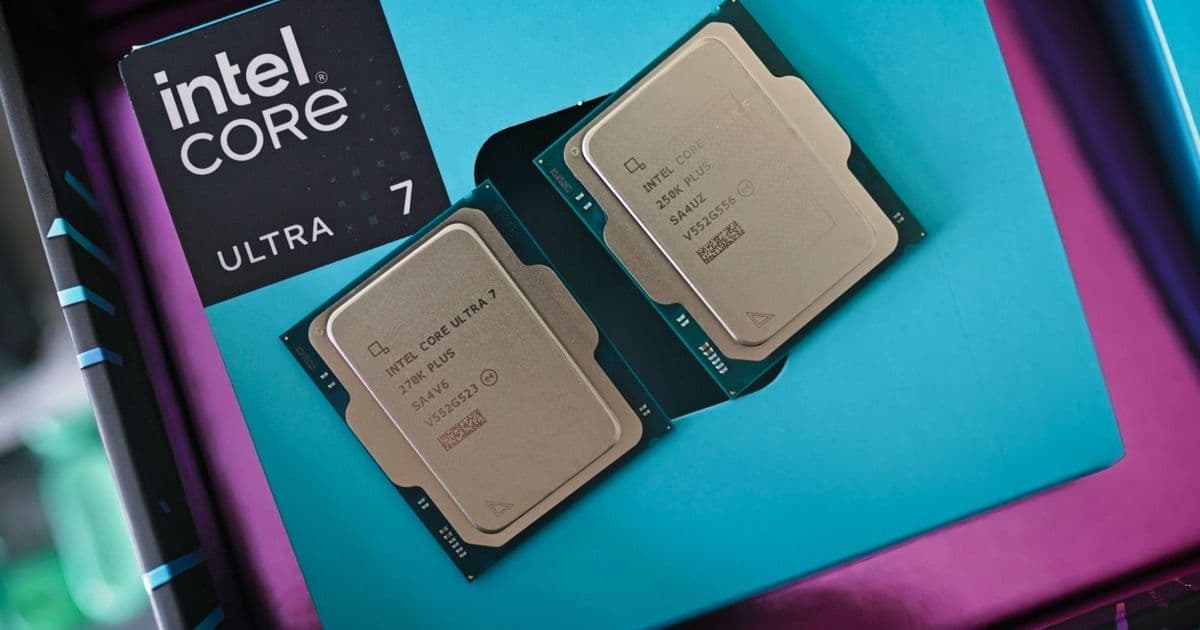
Geekbench warns that Intel's Binary Optimization Tool (iBOT) can boost scores by up to 40% in inconsistent ways, making benchmark results unreliable on new Core Ultra 200S Plus chips.
Geekbench has issued a warning about the reliability of benchmark scores on Intel's new Core Ultra 200S Plus processors, citing concerns over the company's Binary Optimization Tool (iBOT) that can modify performance in ways that are difficult to track or understand.
According to John Poole from Geekbench, the iBOT feature can increase workload scores by up to 40% and overall benchmark scores by up to 8% on supported chips. The tool works by manipulating instructions at the hardware level to boost instructions per clock (IPC), but Intel provides no public documentation on the specific techniques it uses.
This lack of transparency creates a significant problem for benchmarking consistency. Geekbench developers cannot determine when iBOT is enabled or disabled during a test run, nor can they understand how the tool is boosting performance compared to benchmarks that run without it. As a result, Geekbench will now display a warning on all benchmark listings featuring iBOT-supported chips: "This benchmark result may be invalid due to binary modification tools that can run on this system."
Intel appears aware of these concerns. The company has been cautious about rolling out iBOT more broadly and wants to avoid accusations of manipulating benchmark results. Currently, iBOT is supported only in a handful of PC games, with Geekbench 6.3 being a notable exception used as a proof of concept for non-gaming workloads.
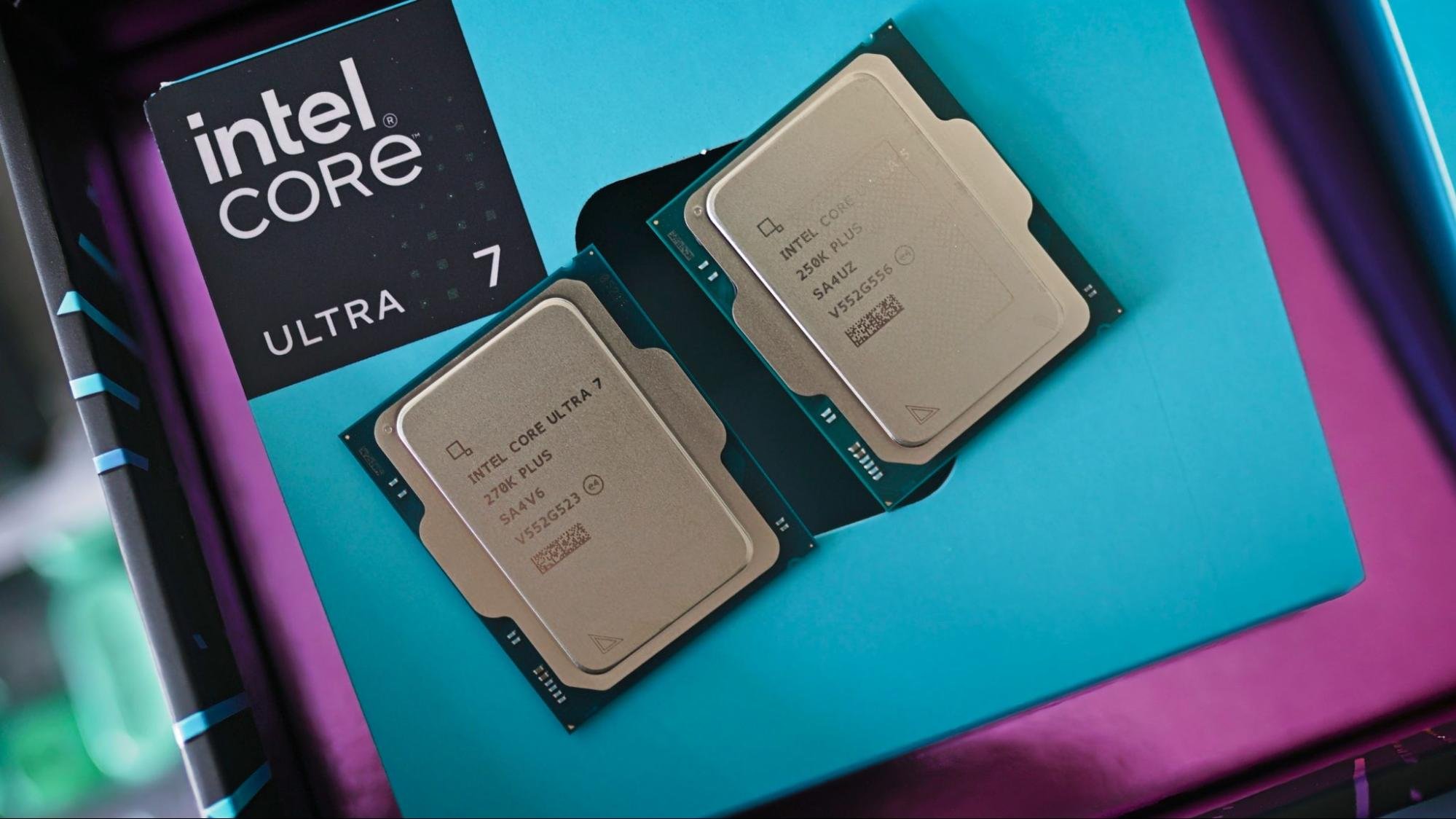
In testing of the Core Ultra 7 270K Plus, performance in Geekbench 6.3 improved by approximately 10% with iBOT enabled compared to the standard 265K. This inconsistency from run to run undermines one of the fundamental requirements of benchmarking: consistent, repeatable results that users and developers can trust.
The Core Ultra 7 270K Plus and Core Ultra 5 250K Plus represent Intel's final major releases for the LGA 1851 platform before the upcoming Nova Lake architecture. Both chips offer substantial improvements over their predecessors, with significantly lower pricing and enhanced multithreading performance thanks to four additional E cores.
For users and reviewers relying on benchmark scores to compare processor performance, the iBOT situation highlights the growing complexity of modern CPU optimization techniques and the challenges they pose for standardized testing methodologies.
Comments
Please log in or register to join the discussion