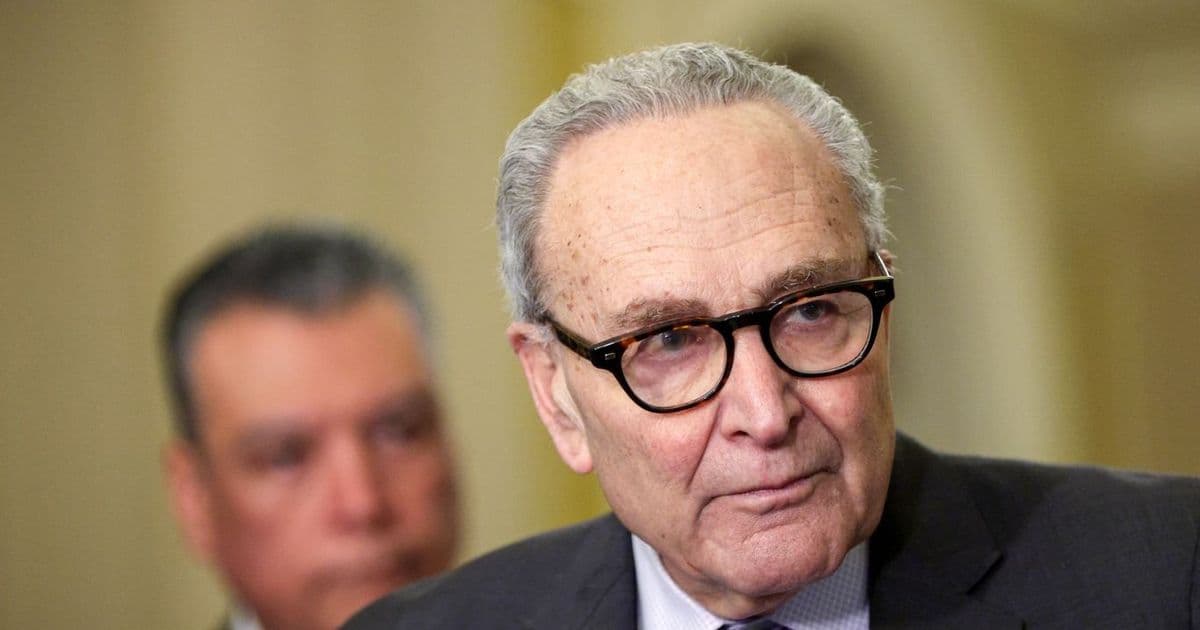
Senate Democrats and Republicans remain deadlocked over Homeland Security funding, with both sides trading barbs as a partial government shutdown looms.
The Senate remains deadlocked in a high-stakes standoff over Department of Homeland Security (DHS) funding, with both parties trading increasingly personal insults as the clock ticks toward a potential partial government shutdown.
The Core Dispute
At the heart of the impasse is a battle over immigration policy and border security funding. Republicans are demanding significant policy changes and increased funding for border enforcement as a condition for supporting the DHS budget. Democrats, led by Senate Minority Leader Chuck Schumer, have rejected these demands as extreme, arguing they would undermine the department's core functions.
Escalating Rhetoric
The standoff has devolved into a war of words, with lawmakers on both sides abandoning procedural niceties. Republican senators have accused Democrats of "playing politics with national security," while Democratic leaders have fired back that Republicans are "holding the country hostage" to advance an anti-immigrant agenda.
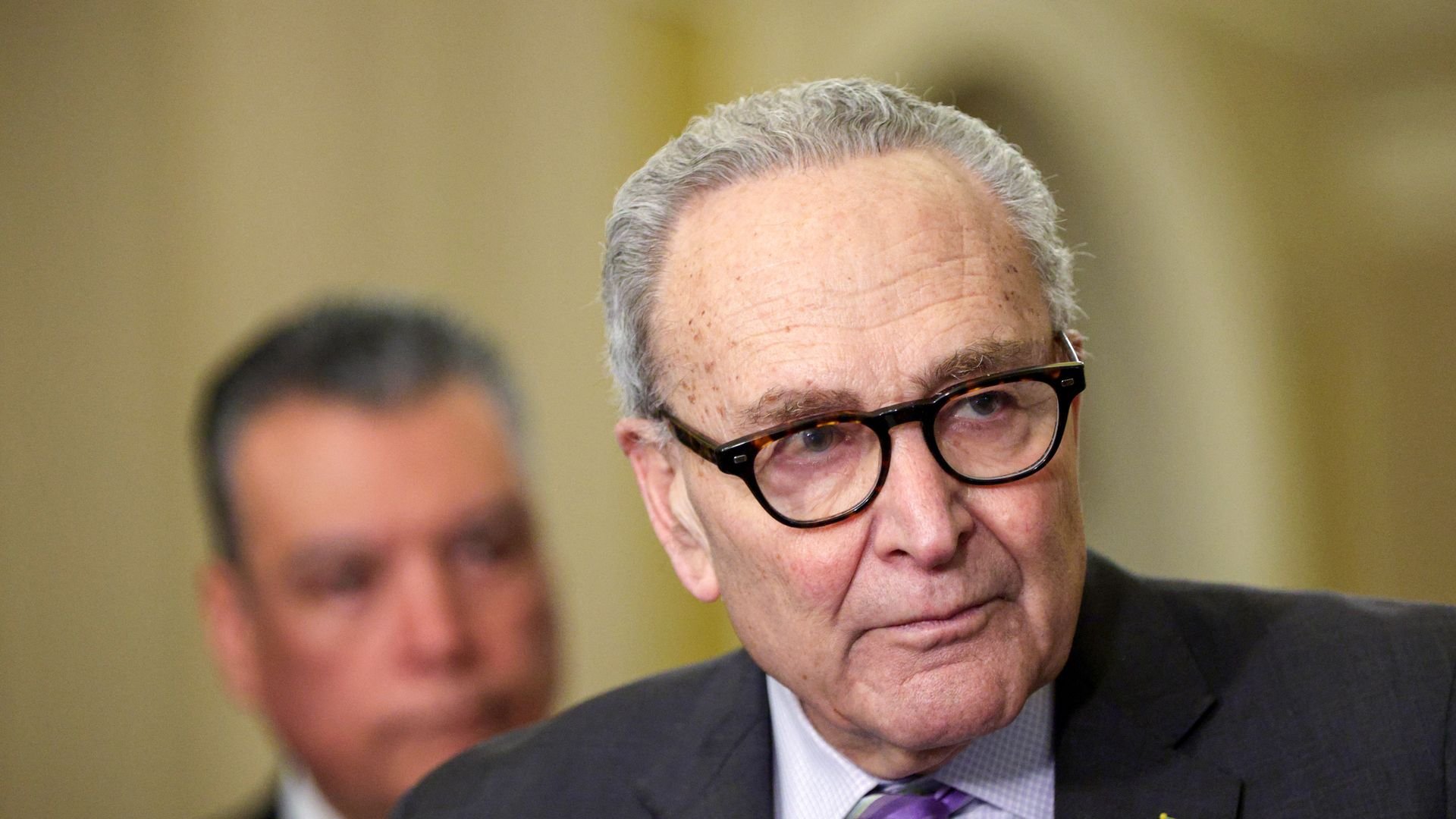
Schumer, speaking at the U.S. Capitol on March 24, delivered a pointed rebuke of Republican tactics, though specific quotes from the appearance weren't included in the available material. The Senate Minority Leader's office has characterized the Republican position as an attempt to force through policy changes that couldn't pass through normal legislative channels.
The Clock is Ticking
With DHS funding set to expire, the consequences of inaction are mounting. A partial shutdown would affect hundreds of thousands of federal employees, including border patrol agents, airport security screeners, and Coast Guard personnel, who would be required to work without pay.
What Happens Next
The standoff appears to be a classic political staring contest, with neither side willing to blink first. Senate leaders have scheduled additional votes, but with the partisan divide remaining wide, a resolution remains elusive.
As the deadline approaches, pressure is mounting on both parties to find common ground. However, with midterm elections on the horizon and both sides digging in on core principles, a quick resolution seems unlikely. The question now is whether the threat of a shutdown will force compromise or whether both parties are prepared to let the department run out of money in pursuit of their policy goals.
Comments
Please log in or register to join the discussion