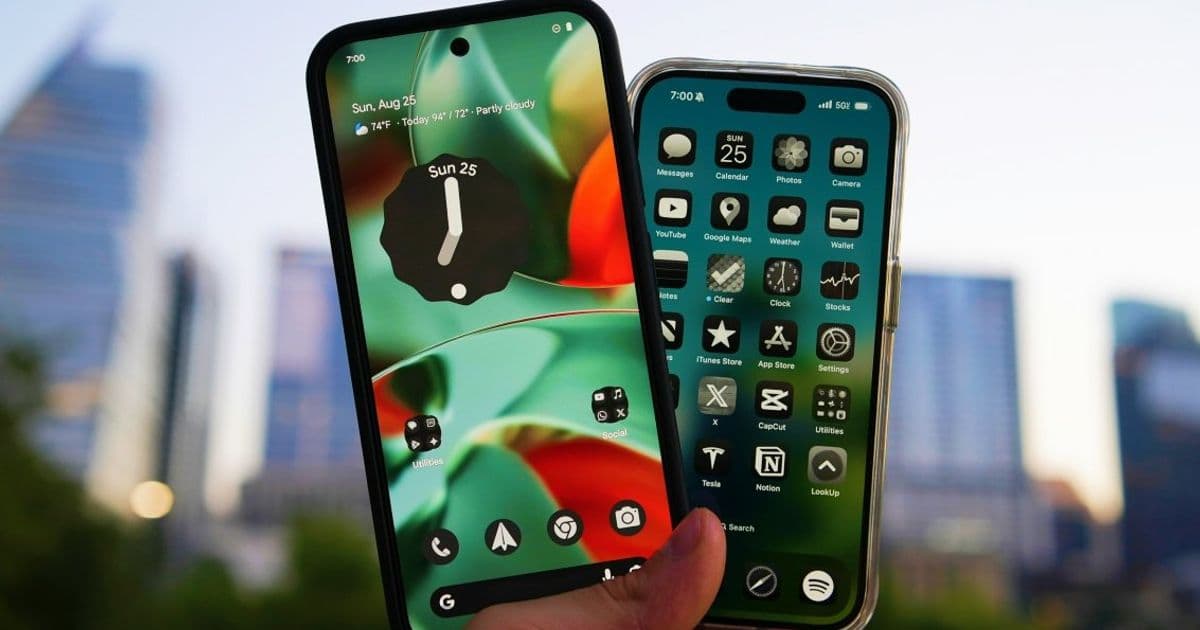
Google's latest benchmarks show Android flagships beating iOS devices in web browsing performance, with up to 47% faster link loading times thanks to deeper hardware optimization.
Google has fired the latest shot in the ongoing smartphone performance wars, claiming that Android devices have finally overtaken iPhones in web browsing speed. According to a new report from the Chromium Blog, recent optimizations have pushed Android flagship performance to record-breaking levels in key industry benchmarks - Speedometer 3.1 and LoadLine.
The Benchmark Battle
The Speedometer benchmark, a joint project by Apple, Google, and Mozilla, simulates common user tasks like clicking buttons to browse and scrolling to measure how "snappy" a browser feels. The benchmark results shared by Google show unnamed Android flagship phones outscoring the latest phones from a "competing mobile phone platform" (read: iOS).
But the real headline comes from LoadLine, a newer benchmark developed by Google and its partners. This tool measures how fast links are opened after you click them - a crucial metric for everyday web browsing. Google claims top-tier Android phones are now up to 47% faster in this category than their non-Android competitors.
The "Vertical Integration" Advantage
Google attributes this performance leap to what it calls "vertical integration." By working closely with chip and phone-makers, Google has tuned the Android kernel and the Chrome engine to work more efficiently with specific hardware. This approach mirrors Apple's longstanding strategy of controlling both hardware and software, which has historically given iPhones an edge in performance optimization.
The Real-World Reality Check
Before Android fans start celebrating, there's an important caveat. Although the changes have reportedly resulted in a 20-60% year-over-year jump in benchmark scores, Google says users can expect roughly 5% faster page loads and 9% smoother interactions during daily use.
This discrepancy between benchmark performance and real-world experience is common in the tech industry. Benchmarks often measure specific scenarios that may not reflect typical usage patterns. A 47% improvement in link loading times might sound dramatic, but when translated to actual browsing, the difference becomes much more subtle.
What This Means for Users
The performance race between Android and iOS continues to heat up, with each platform finding new ways to optimize the user experience. For Android users, these improvements mean slightly faster web browsing and smoother interactions. For iPhone users, it's a reminder that the performance gap is narrowing.
However, web browsing speed is just one aspect of the smartphone experience. Factors like app ecosystem, camera quality, battery life, and ecosystem integration often matter more to users than fractions of a second in page loading times.
The Bigger Picture
This development comes at an interesting time in the mobile industry. Just as AirDrop is starting to roll out to more Android devices through cross-platform sharing initiatives, Google is highlighting Android's performance advantages. It's a reminder that the competition between these platforms remains fierce, with both sides constantly innovating to win over users.
The focus on web browsing performance also reflects the growing importance of mobile web experiences. As more users rely on their phones for everything from shopping to productivity, even small improvements in browsing speed can add up to meaningful time savings over months and years of use.
Whether this performance advantage will be enough to sway iPhone users remains to be seen, but it certainly gives Android a compelling talking point in the ongoing platform comparison debates.
Comments
Please log in or register to join the discussion