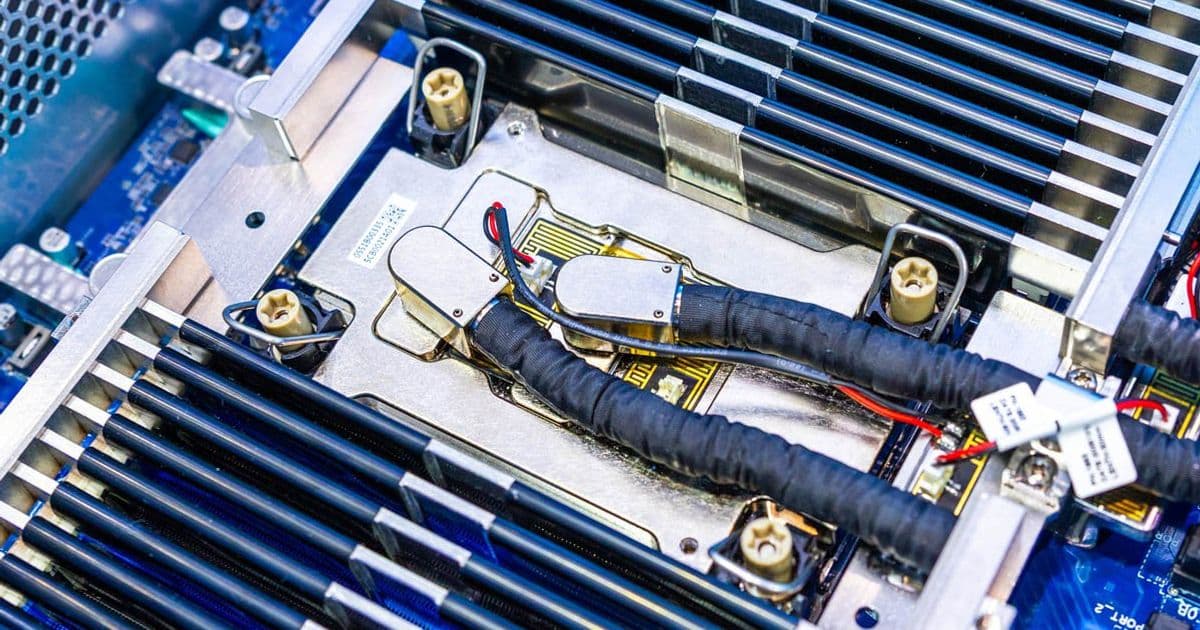
Gigabyte's GTC 2026 booth showcased the next-generation NVIDIA Vera Rubin NVL72 rack with liquid cooling optimizations, alongside GB300 AI Station and advanced networking components.
At NVIDIA GTC 2026, we toured the Gigabyte booth and saw an impressive array of AI systems that showcase the company's comprehensive approach to next-generation computing infrastructure. Beyond just the compute trays, Gigabyte displayed the full ecosystem of components that make up modern AI data centers.
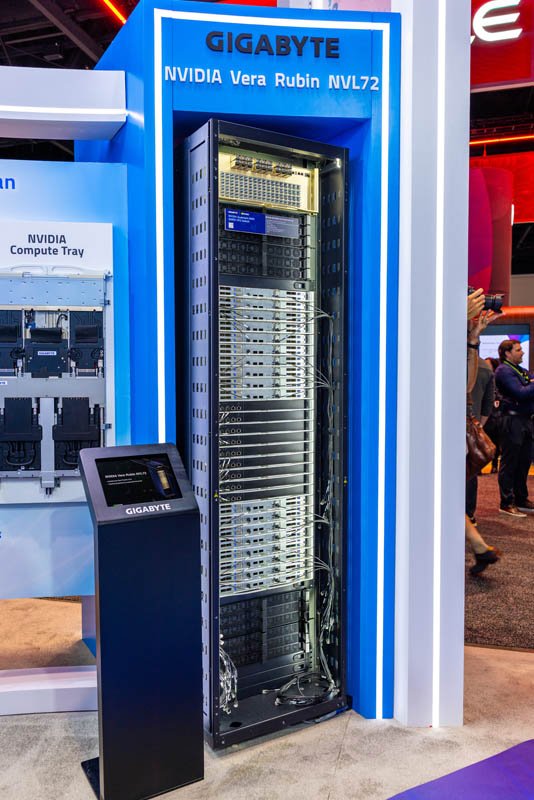
The centerpiece of their display was the NVIDIA Vera Rubin NVL72 rack, but what set Gigabyte apart was their decision to show the internal components rather than just the external chassis. This transparency gives us a rare look at how these massive AI systems are actually constructed.
NVIDIA Vera Rubin NVL72 Compute Tray
The new Vera Rubin NVL72 compute tray represents a significant departure from previous designs. The front faceplate reveals a completely redesigned layout optimized for liquid cooling efficiency and serviceability. Gone are the days of cramming components into tight spaces - the new design spreads everything out horizontally, making both cooling and maintenance much more straightforward.
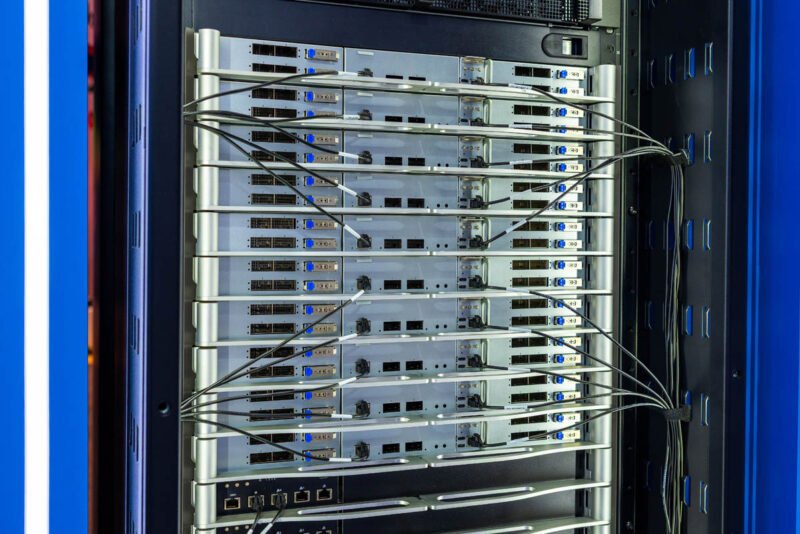
In the middle section, you'll find the familiar NVLink compute trays that provide the high-bandwidth interconnects between GPUs. At the bottom of the rack, additional compute nodes are stacked, creating a dense but accessible configuration.
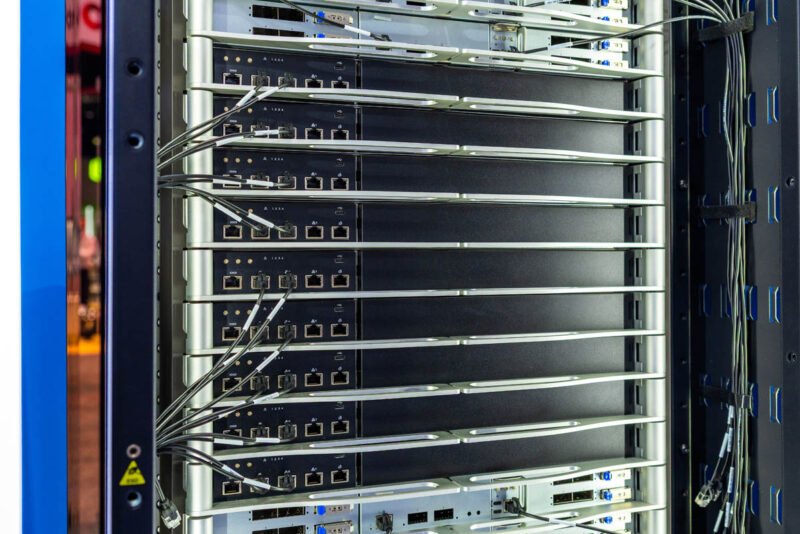
One of the most interesting design changes is the storage configuration. Instead of the vertical mounting we've seen in previous generations, the Vera Rubin system uses two E1.S SSDs mounted horizontally. This orientation isn't just for show - it's specifically designed to improve airflow and cooling efficiency. The four ConnectX-9 ports are also clearly visible, providing the networking backbone for these AI systems.
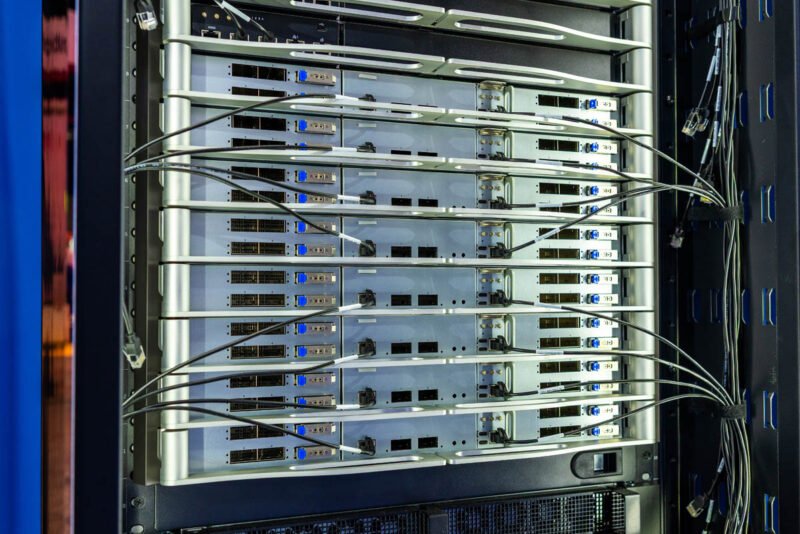
NVIDIA NVLink Switch Tray
Gigabyte also displayed the NVIDIA NVLink switch tray, which is designed from the ground up for liquid cooling. The entire chassis is engineered to eliminate traditional air cooling components, allowing for a more compact and efficient design.
{{IMAGE:6}}
The bottom section houses the actual switch modules and NVLink spine connectors, with orange caps protecting the connectors during the show. While there are still some internal cables, the overall design is much cleaner than previous generations.
One feature that really stands out is the integrated leak detection system. This was something that wasn't as prominent in the B200 generation, but it's clearly a major focus for Vera Rubin. Given the critical nature of these systems and the potential for catastrophic damage from cooling leaks, this built-in monitoring is a welcome addition.
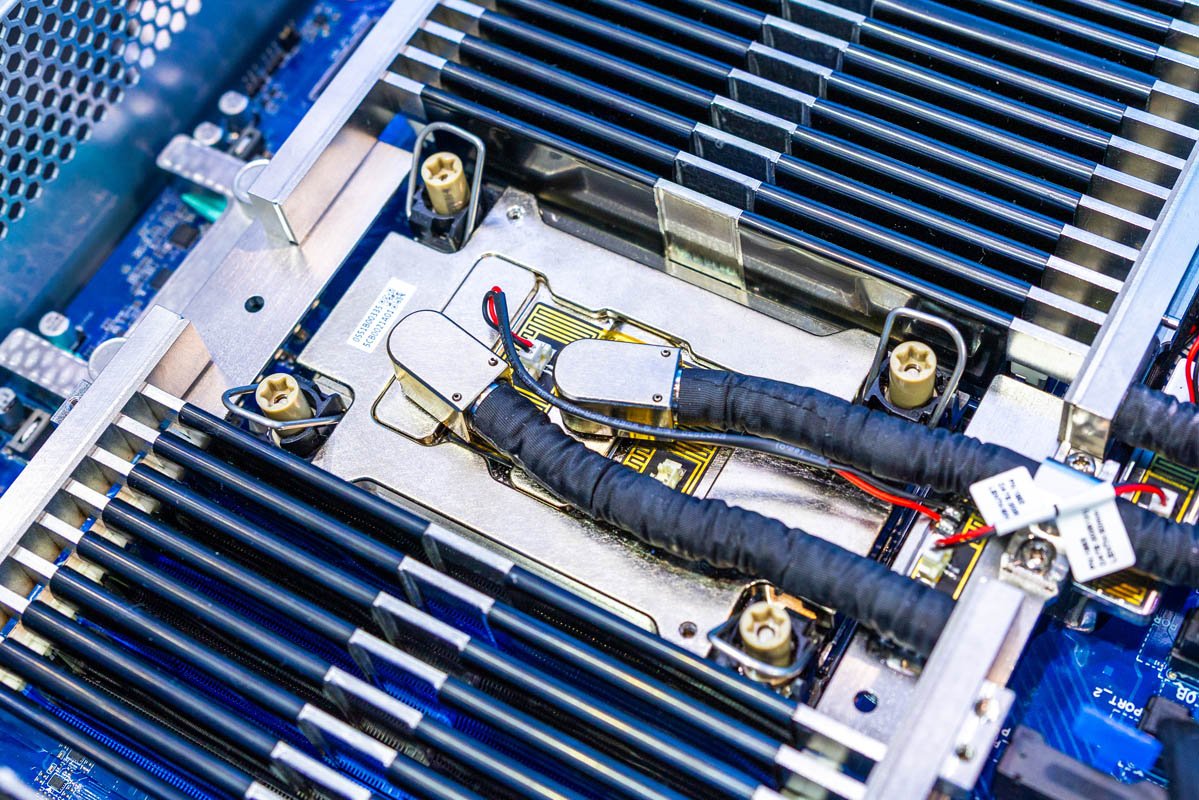
Advanced Networking Components
The rack also showcased some of the latest networking technology, including co-packaged optics switches, BlueField-4 DPUs, and ConnectX-9 SuperNICs. These components represent the cutting edge of data center networking, providing the massive bandwidth required for AI workloads.
GB300 AI Station
Beyond the massive rack systems, Gigabyte also displayed their NVIDIA GB300 AI Station. This system is positioned to be the next big thing in local agentic AI, bringing powerful AI capabilities to smaller deployments without requiring the full data center infrastructure.
What This Means for the Industry
The Gigabyte booth at GTC 2026 demonstrates several important trends in AI infrastructure:
- Liquid cooling is becoming standard: Every major component in these systems is designed with liquid cooling in mind
- Serviceability matters: The horizontal layouts and accessible components show that manufacturers are thinking about long-term maintenance
- Integrated monitoring is critical: Leak detection and other monitoring systems are now built-in rather than optional
- Component transparency: Companies like Gigabyte are showing more of their internal designs, which helps the industry understand and improve these systems
For those interested in a quick overview, we've created a 2-minute video tour of everything we saw at the Gigabyte booth. The level of detail and the variety of systems on display really highlights how far AI infrastructure has come in just a few years.
If you're building or planning AI infrastructure, the trends we're seeing at GTC 2026 suggest that the next generation of systems will be more efficient, more reliable, and easier to maintain than ever before. The Vera Rubin platform, in particular, seems poised to set new standards for what's possible in AI computing.
Comments
Please log in or register to join the discussion