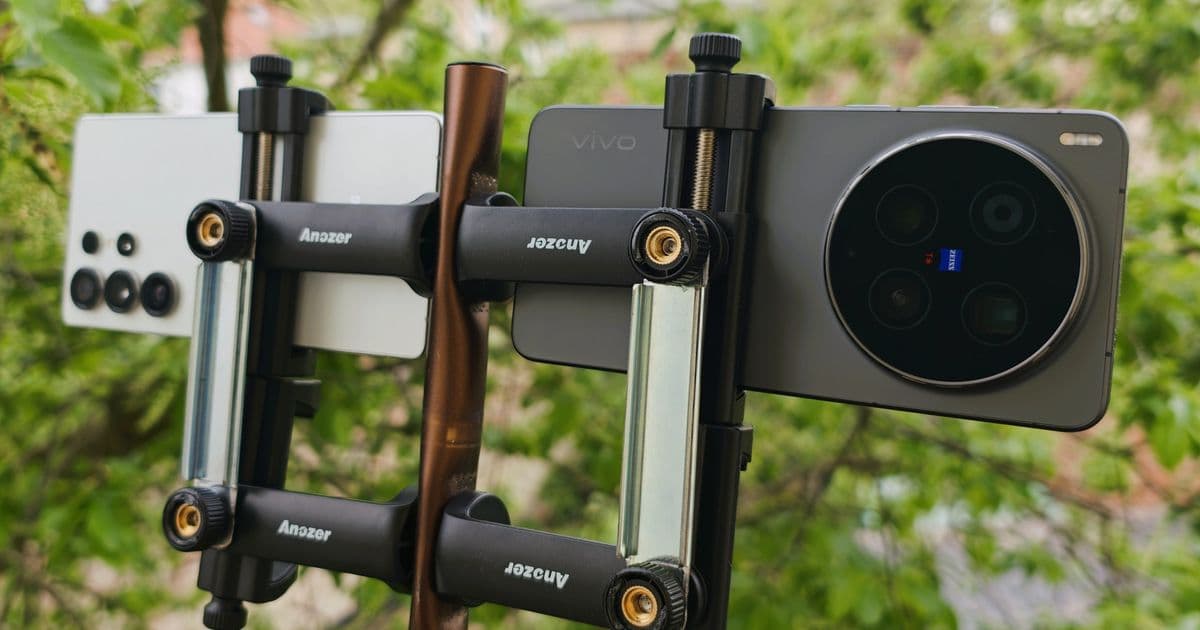
The Vivo X300 Ultra pushes mobile videography boundaries with professional-grade recording capabilities, though some autofocus limitations may affect fast-action shooting.
The Vivo X300 Ultra has entered the competitive flagship smartphone arena with ambitious videography credentials that position it as a potential leader in mobile video capture. Building on the reputation of its predecessor, this new flagship introduces several significant enhancements to video recording capabilities that will appeal to content creators and videography enthusiasts.
What's New in Video Capabilities
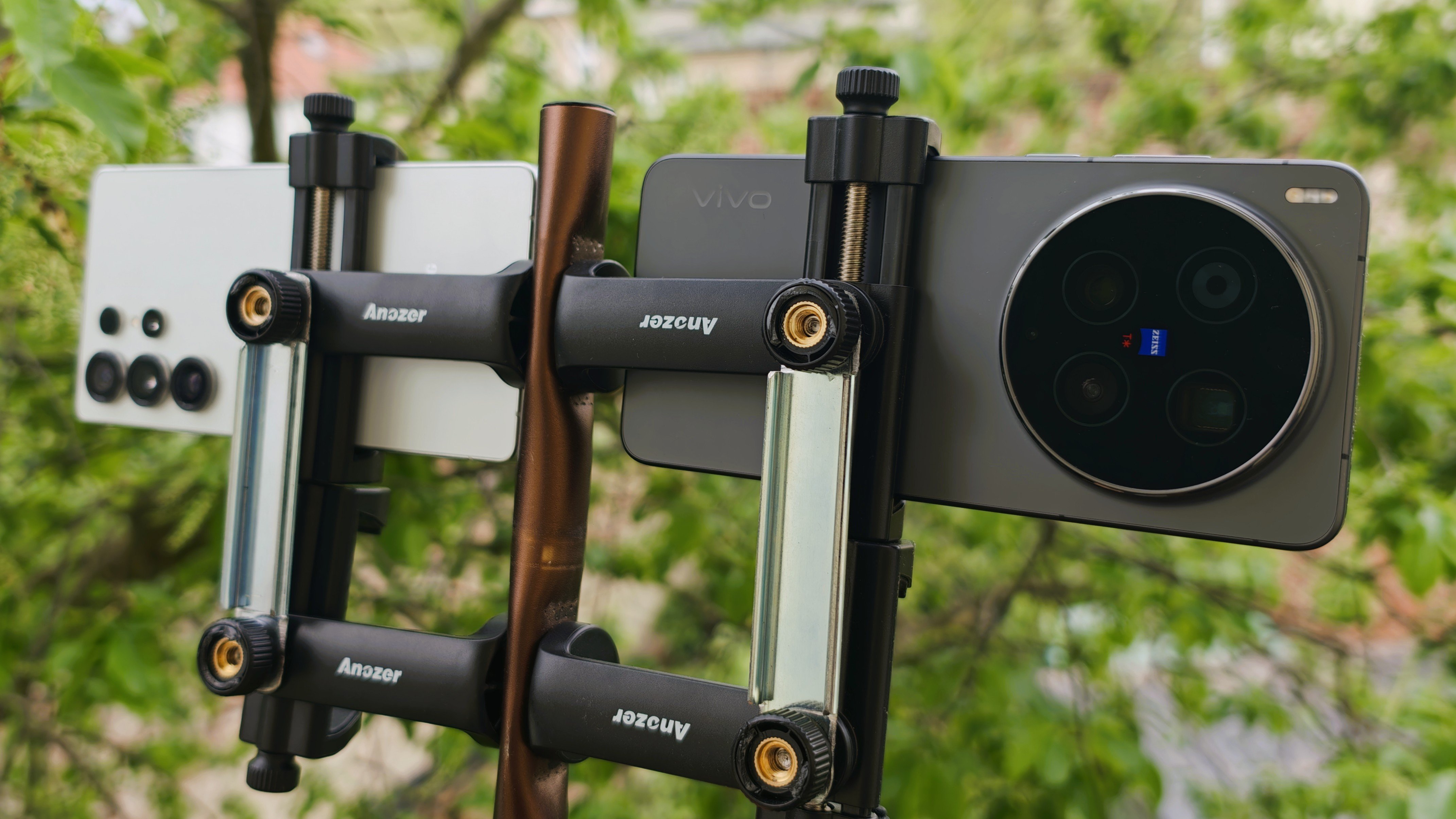
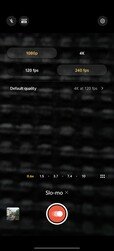
The Vivo X300 Ultra establishes itself as a serious videography tool by offering 4K120 fps recording across all focal lengths, a feature typically reserved for separate devices at different price points. This means users can capture high-frame-rate video whether using the ultra-wide, main, telephoto, or periscope lenses. The phone also supports recording at 120 fps in Dolby Vision and 10-bit Log formats, providing greater dynamic range and color flexibility for post-production workflows.
For those seeking maximum resolution, the Vivo X300 Ultra supports video capture at up to 8K, matching capabilities found in other 2026 flagship smartphones. This places the device among the elite for mobile video recording specifications.
Perhaps most significant for serious videographers is the introduction of a new Pro Video mode that offers comprehensive manual control over parameters such as white balance, ISO, and focus settings. This level of control was previously uncommon in smartphones, making the X300 Ultra a viable option for creators who prefer to fine-tune their video capture.
Vivo has also added creative tools with "Film Look" and "Film Style" modes that utilize film-inspired color profiles to help create professional-looking cinematic footage directly from the device. These presets simulate the color science of various film stocks, offering creators different aesthetic options without requiring extensive color grading in post-production.
Comparative Analysis Against Competitors
When placed alongside its main competitors, the Vivo X300 Ultra holds its own in several key areas. Our testing showed that the device's image stabilization, combining both optical (OIS) and electronic (EIS) methods, performs excellently and roughly matches the stabilization capabilities of the Samsung Galaxy S25 Ultra, which was released earlier in 2025.
The X300 Ultra's zoom capabilities span an impressive range from 14mm to 230mm equivalent focal lengths, providing versatility for various shooting scenarios. During our tests, we evaluated zoom levels of 0.6x, 1.5x, 3.7x, 7.4x, and 10x, finding that image quality remained remarkably consistent across these focal lengths.
However, the X300 Ultra does show some limitations. Our testing revealed that the autofocus system exhibited noticeable issues during fast movements, particularly when subjects were moving rapidly across the frame. This could be a significant consideration for sports videographers or those capturing unpredictable action.
When compared directly to the Samsung Galaxy S25 Ultra, the X300 Ultra's main camera stabilization performed similarly, but Samsung's implementation may have a slight edge in tracking fast-moving subjects. The Samsung device has historically had a more refined autofocus system that better handles dynamic scenes.
The X300 Ultra's video color science appears to differ from Samsung's approach. While Samsung tends to favor more natural color reproduction, Vivo's implementation with the Zeiss partnership offers a different aesthetic that some creators may prefer, particularly when using the Film Look modes.
Who Is the Vivo X300 Ultra For?
The Vivo X300 Ultra appears ideally suited for several types of users:
Content creators who value manual control will appreciate the Pro Video mode, which provides access to professional-level settings typically found in dedicated video cameras. The ability to control white balance, ISO, and focus manually makes this device a compelling option for those who want to fine-tune their video look.
Cinematographers will benefit from the Film Look and Film Style modes, which offer creative color profiles that can save significant time in post-production. The Dolby Vision support also makes the X300 Ultra suitable for creating content that will be viewed on high-end displays that support HDR.
Videography enthusiasts who want a versatile single device for capturing various focal lengths will find the 4K120 fps support across all lenses particularly valuable. This eliminates the need to carry multiple lenses or devices for different shooting scenarios.

The device's excellent stabilization makes it a strong choice for vloggers and mobile filmmakers who frequently shoot while moving, though the autofocus limitations may be a concern for those capturing fast-paced action.
Pricing and Market Position
The Vivo X300 Ultra is positioned as a premium flagship device, with pricing that reflects its advanced capabilities. While exact pricing varies by region, the device generally commands a price comparable to other 2026 flagships from established manufacturers like Samsung, Apple, and Google.
For perspective, the X300 Ultra sits above the standard X300 model and X300 Pro in Vivo's lineup, with the Ultra variant specifically emphasizing the camera system as its key differentiator. The inclusion of Zeiss optics and advanced video features justifies the premium positioning in the market.
Real-World Performance Testing
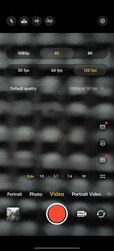
To evaluate the Vivo X300 Ultra's actual performance in challenging conditions, we subjected the phone to a very demanding test scenario involving rapid pans and shakes. For this evaluation, we used the 4K30 option with Dolby Vision, which is supported by all sensors on the device.
Our test results showed that the X300 Ultra's stabilization system effectively compensated for most camera shake during moderate movement. The footage remained smooth and watchable even when the operator was walking or moving quickly. However, during more extreme movements, particularly when changing direction rapidly, some jitter became visible.
The autofocus system performed well when subjects were moving at moderate speeds or maintaining predictable trajectories. However, when we tested with a running subject moving toward and away from the camera, the X300 Ultra struggled to maintain focus consistently, resulting in several moments of softness that would be problematic in professional productions.
When comparing the X300 Ultra's stabilization to the Samsung Galaxy S25 Ultra, we found that both devices performed at a similar level in most situations. The Samsung flagship had a slight advantage in maintaining focus on fast-moving subjects, but the difference was not substantial enough to be a deciding factor for most users.
The X300 Ultra's Film Look mode produced results that closely resembled the aesthetic of various film stocks, with the 10-bit Log footage providing excellent flexibility in color grading. This mode would be particularly valuable for creators aiming for a cinematic look without investing extensive time in post-production color work.
Conclusion
The Vivo X300 Ultra emerges as a strong contender for the title of 2026's top videography phone, offering specifications and features that were previously the domain of dedicated video cameras or multiple specialized devices. Its combination of high frame rate recording across all lenses, professional manual controls, and excellent stabilization makes it a compelling option for serious mobile videographers.
However, the autofocus limitations during fast movements prevent it from being a perfect solution for all video scenarios. Potential buyers should consider their specific needs—particularly whether they frequently capture fast-moving subjects—when evaluating the X300 Ultra against alternatives like the Samsung Galaxy S25 Ultra or the upcoming iPhone 17 Pro.
For those who prioritize manual control, creative color profiles, and versatile zoom capabilities without compromising on stabilization quality, the Vivo X300 Ultra presents an impressive package that pushes the boundaries of what's possible in mobile videography.
Comments
Please log in or register to join the discussion