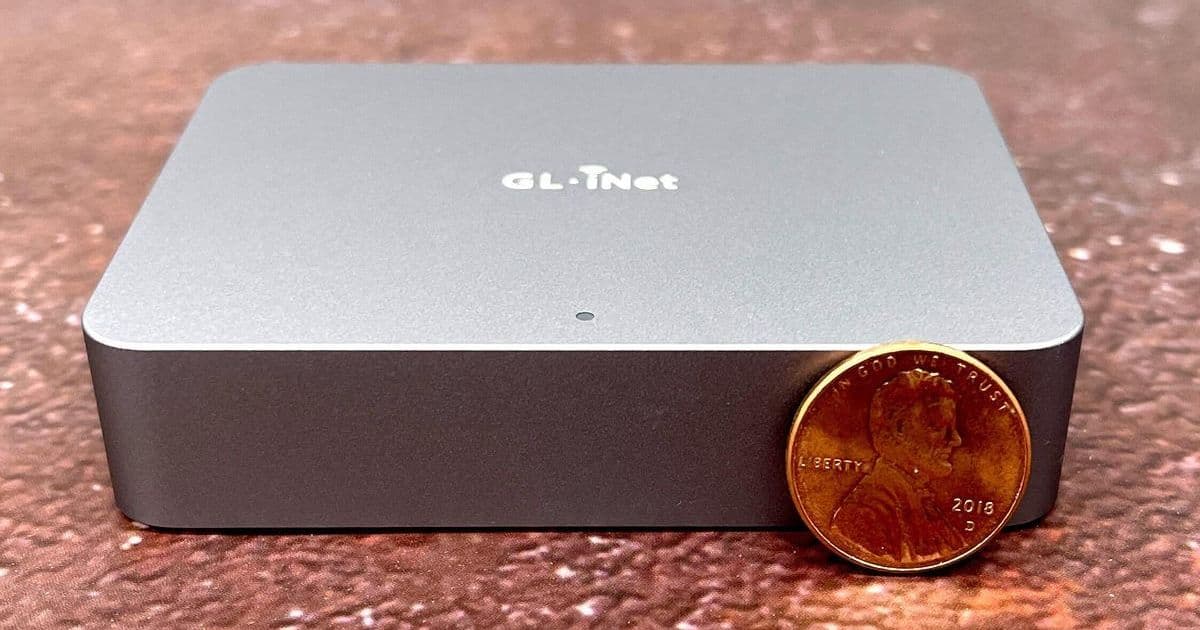
Tired of juggling monitors and mice for your headless servers? The GL.iNet Comet KVM replaces physical peripherals with seamless Ethernet-based remote access, transforming cluttered setups into streamlined operations. At $90, it's an essential tool for home labs, NVRs, and any environment where physical access is a pain point.
The Perils of Headless Server Management
Every developer or homelab enthusiast knows the frustration: critical devices like network video recorders (NVRs) or rack servers demand physical keyboard, mouse, and monitor access for configuration, yet space constraints turn setups into precarious balancing acts. As ZDNET's David Gewirtz experienced firsthand, this often means monitors teetering on edge and mice perched on makeshift stands—a recipe for inefficiency and accidents.
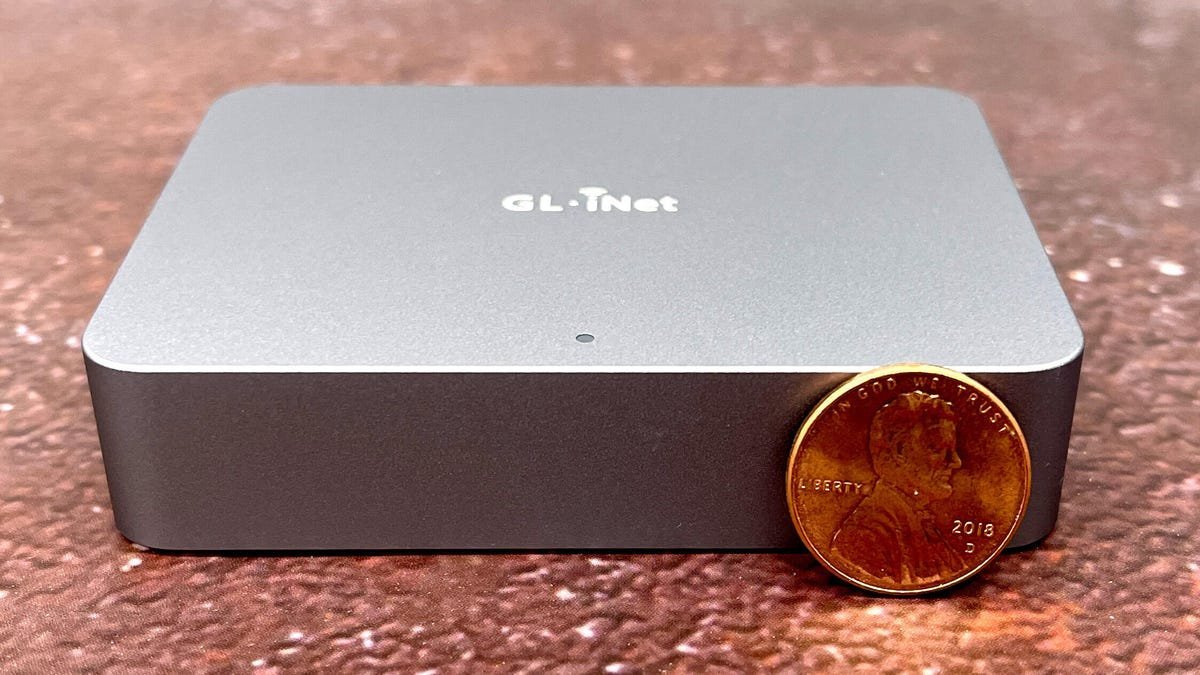
Enter the GL.iNet Comet KVM, a palm-sized device that eliminates this chaos by routing KVM functions over Ethernet. For just $90, it promises to untether administrators from physical peripherals—but does it deliver? After rigorous testing in a real-world NVR environment, Gewirtz confirms: this isn't just convenient; it's transformative.
How the Comet Rewrites the Rules
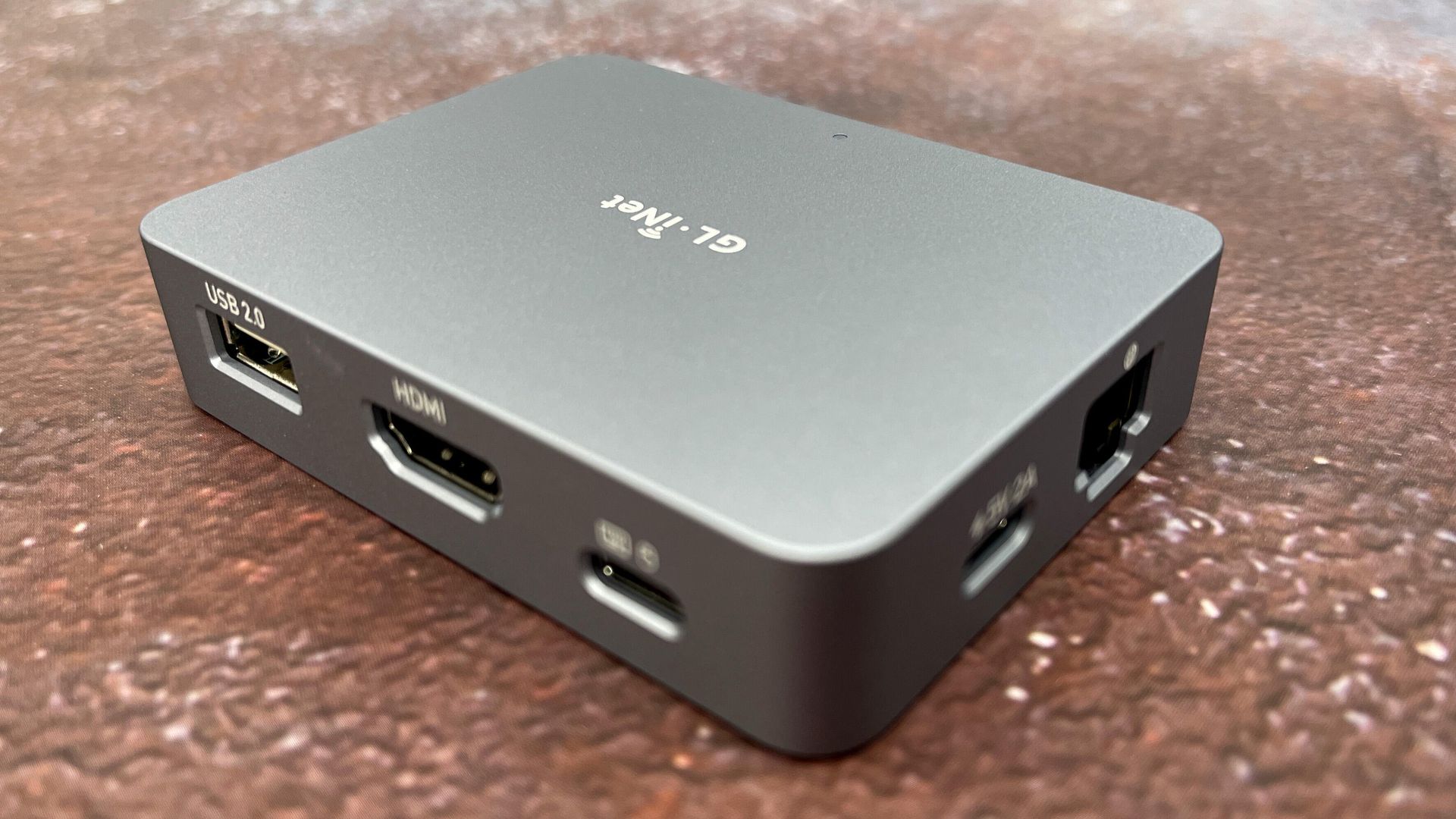
The Comet connects via HDMI and USB to your target device (like an NVR or server), then plugs into your network switch. Access happens through a browser-based interface at glkvm.local, bypassing the need for dedicated software. During testing:
- Mouse and keyboard emulation proved flawless once settings were optimized (disabling 'Show Local Cursor' and using 'Relative' mouse mode eliminated lag).
- Video performance remained crisp even with live camera feeds, thanks to efficient bandwidth use over LAN.
- The web UI includes a toolbox for advanced functions: paste operations, key combinations (Ctrl+Alt+Del), terminal access, and Wake-on-LAN support.
"Video on the LAN is very crisp, clear, and responsive... whenever there was activity outside, the cameras updated smoothly," noted Gewirtz, highlighting the Comet's reliability during dynamic tasks.
Technical Underpinnings and Flexibility
Under the hood, the Comet runs Buildroot Linux (ARMv7 kernel) with BusyBox—a lean stack ideal for embedded systems. This foundation ensures stability while enabling features like BIOS-level access for PC servers (via an optional ATX add-on board). Though Gewirtz focused on NVR use, the Comet shines in diverse scenarios:
- Homelabs: Manage multiple headless Raspberry Pis or legacy servers without HDMI switches.
- Security setups: Securely configure NVRs without compromising physical access policies.
- Remote troubleshooting: Resolve boot issues or OS failures from any networked device.
Why Developers Should Care
Beyond convenience, the Comet addresses systemic pain points in IT workflows:
- Space Efficiency: Free up rack real estate by eliminating peripheral clutter.
- Security Compliance: Maintain audit trails through network access instead of physical interactions.
- Cost vs. Value: While $90 per device adds up in large deployments, the time saved on configuration and cable management offers rapid ROI.
As Gewirtz concludes, this device turns a universal annoyance into an elegant solution—proving that sometimes, the smallest gadgets deliver the biggest relief for tech professionals drowning in dongles and displays.
Source: Based on testing and analysis by David Gewirtz for ZDNET.
Comments
Please log in or register to join the discussion