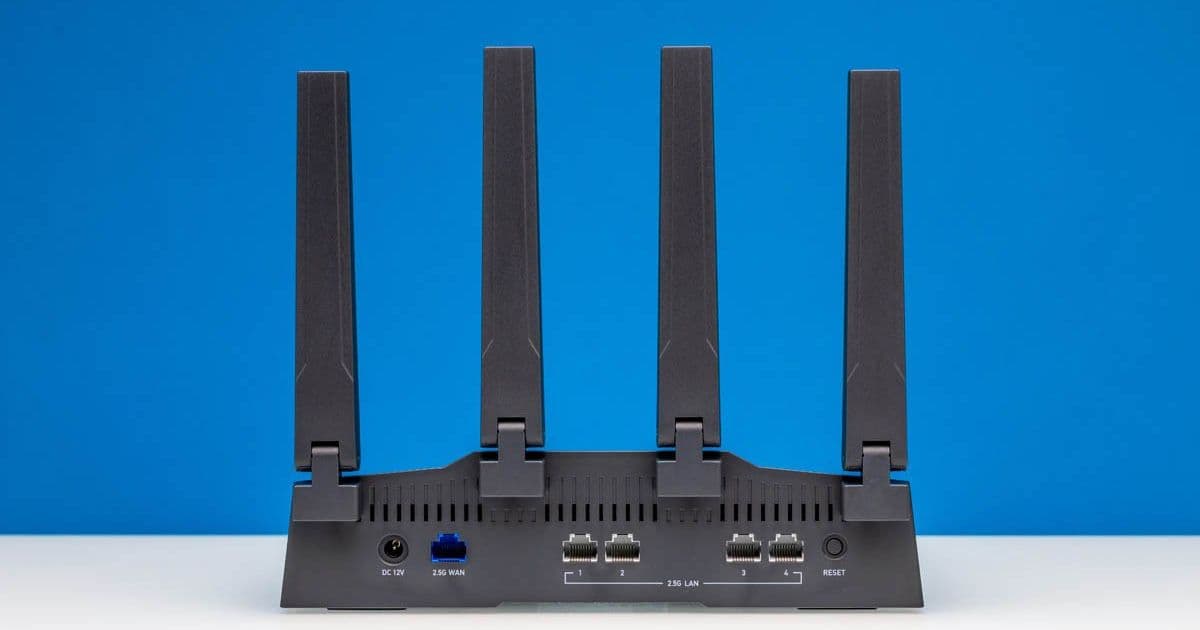
The GL.iNet Flint 3 BE9300 brings WiFi 7 capabilities to OpenWRT enthusiasts with five 2.5GbE ports and Qualcomm IPQ5332 silicon, though its proprietary firmware approach raises questions for purists.
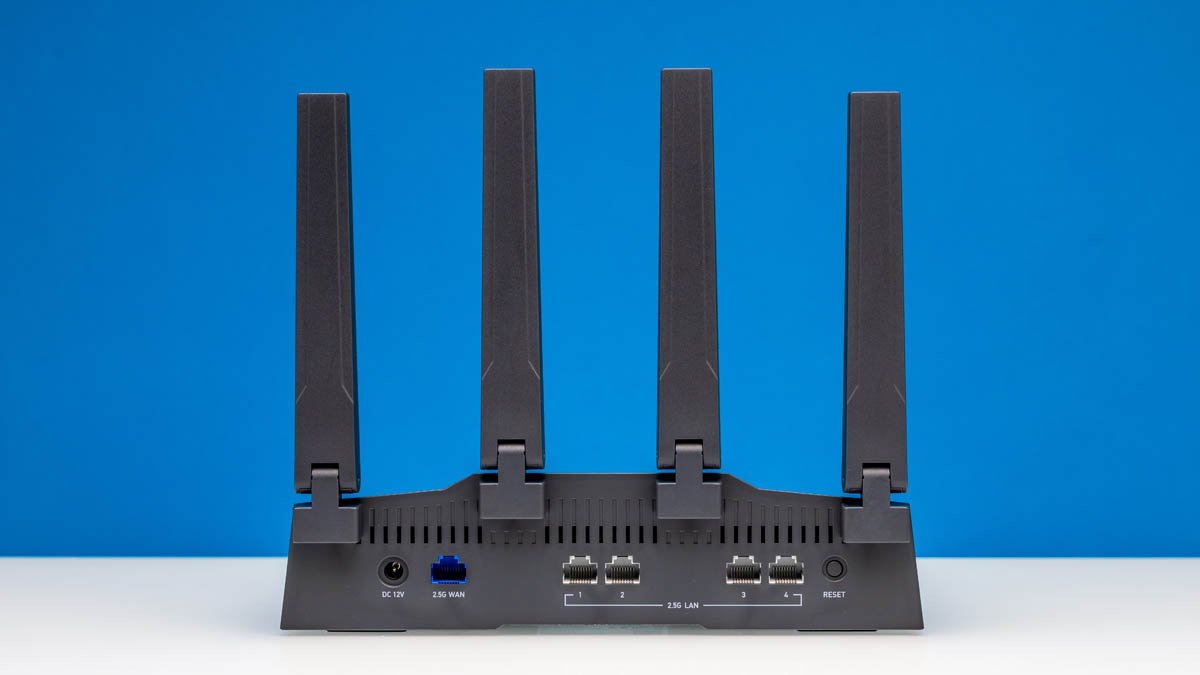
The GL.iNet Flint 3 BE9300 represents a significant leap in SOHO networking hardware, combining WiFi 7's latest wireless standards with OpenWRT's flexibility. Priced between $199-$219, this router builds upon its predecessor with tri-band BE9300-rated throughput (9.2-9.3Gbps aggregate), Multi-Link Operation (MLO), 320MHz channels, and 4K-QAM modulation. What sets it apart is its foundation in OpenWRT firmware - though with notable implementation caveats that power users should understand.
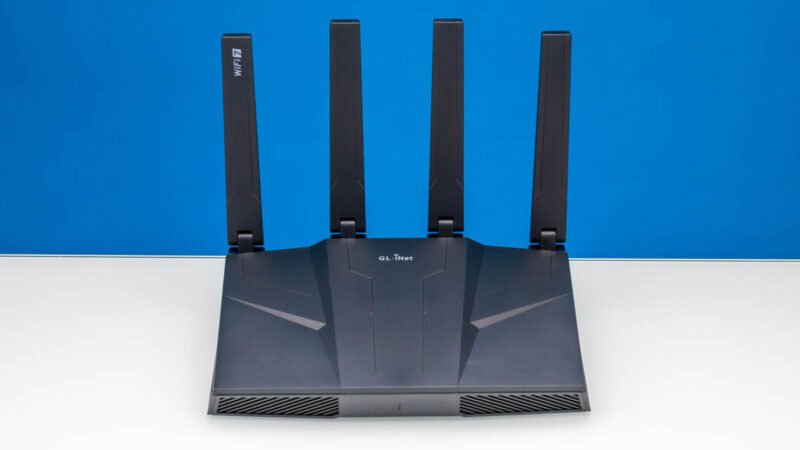
Hardware Design & Connectivity
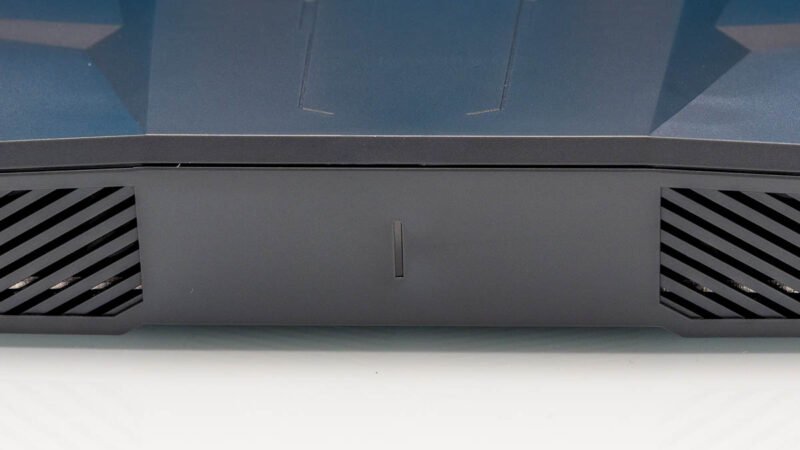
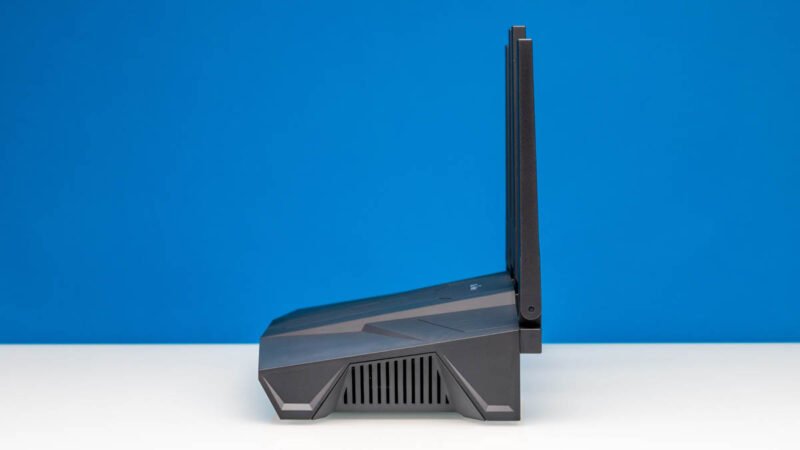
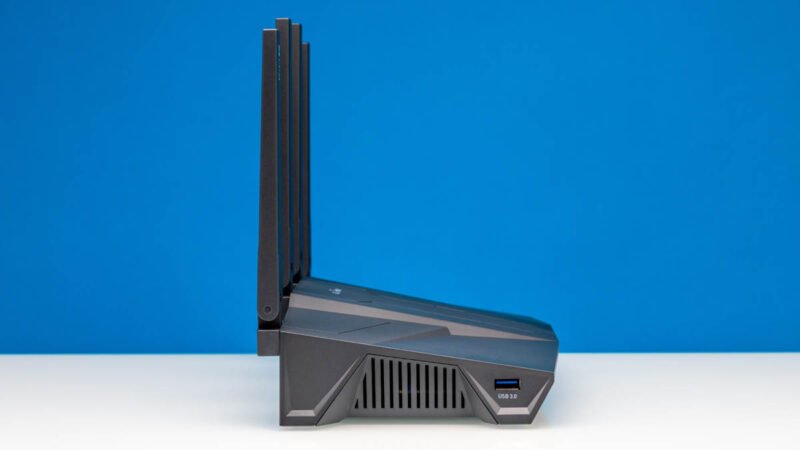
The Flint 3's angular chassis houses four foldable antennas and features strategic ventilation across its sides. Front-panel status LEDs provide immediate network diagnostics, while the rear panel delivers robust connectivity:
- 1× 2.5GbE WAN port
- 4× 2.5GbE LAN ports
- USB 3.0 Type-A port for storage/media sharing
- 12V DC power input
Disassembly reveals active cooling via an internal fan - an unusual choice for consumer routers that complicates maintenance. The Qualcomm IPQ5332 SoC drives the system, though GL.iNet hasn't provided detailed thermal specifications.
OpenWRT Implementation: Power With Limitations
GL.iNet's firmware presents two interfaces: their simplified dashboard and OpenWRT's LuCI advanced interface accessible through System → Advanced Settings. This dual-layer approach provides:
- Full firewall configuration (iptables rules)
- Network traffic monitoring
- VPN client/server capabilities
- Package management
However, this isn't official OpenWRT support. The Flint 3 runs a GL.iNet-maintained fork specific to the Qualcomm IPQ5332 platform. Users cannot install vanilla OpenWRT builds, creating potential long-term maintenance concerns as upstream OpenWRT evolves.
Performance Considerations
While formal throughput benchmarks weren't provided, the hardware combination suggests compelling capabilities:
- WiFi 7's MLO allows simultaneous multi-band client connections
- 320MHz channel support doubles bandwidth over WiFi 6
- All five Ethernet ports operate at 2.5Gbps, enabling multi-gigabit LAN configurations
The USB 3.0 port enables NAS functionality, though performance varies by storage device. Power consumption remains unmeasured - a notable gap given the active cooling system.
Build Recommendations
For homelab enthusiasts, the Flint 3 shines when:
- Needing commercial-grade WiFi 7 features at consumer pricing
- Requiring multiple 2.5GbE ports for high-speed devices
- Leveraging OpenWRT's advanced networking capabilities
However, consider these limitations:
- The proprietary firmware fork may limit future OpenWRT compatibility
- Active cooling introduces potential failure points
- $50-$60 premium over WiFi 6 Flint 2 model
For networking enthusiasts who value OpenWRT's flexibility but prioritize bleeding-edge wireless standards, the Flint 3 delivers unique value - provided users accept GL.iNet's curated approach to open-source firmware.
Comments
Please log in or register to join the discussion