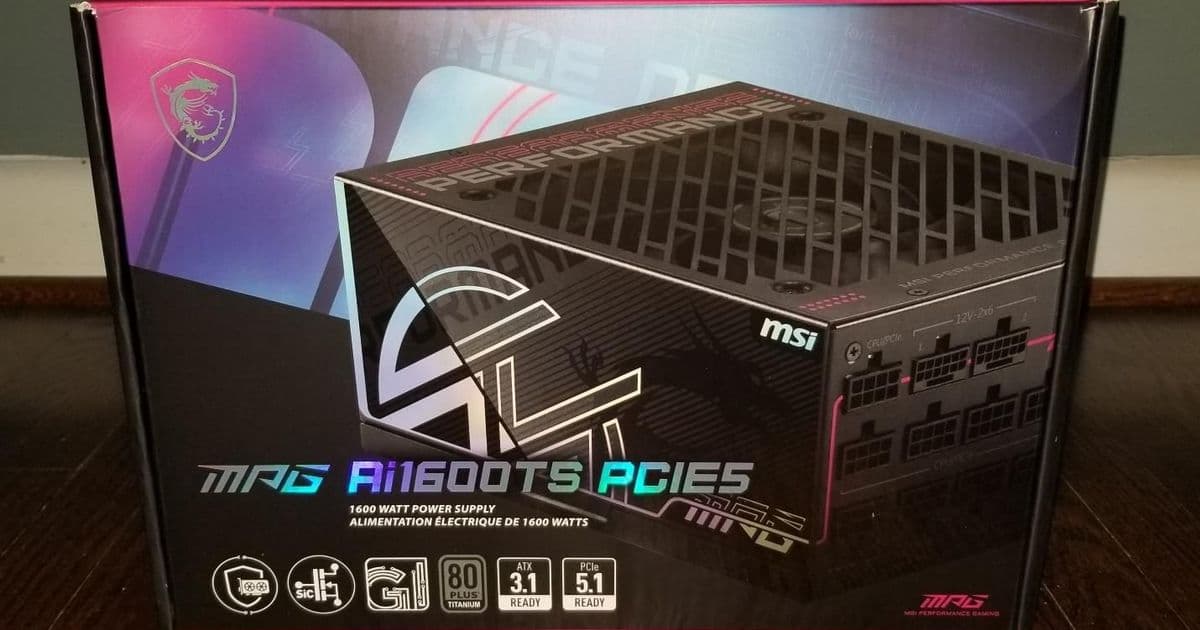
MSI’s 2026 MPG Ai1600TS and Ai1300TS power supplies add a software‑driven safety system called GPU Safeguard+. The feature monitors per‑pin current on the 12V‑2x6 (12VHPWR) connector, alerts users via buzzer and software, and can throttle or cut GPU power if an imbalance persists. Testing with an RTX 5090 shows the alerts trigger within seconds, the power limit drops to 75 % after a warning, and the PSU cuts power after a three‑minute grace period.
Announcement
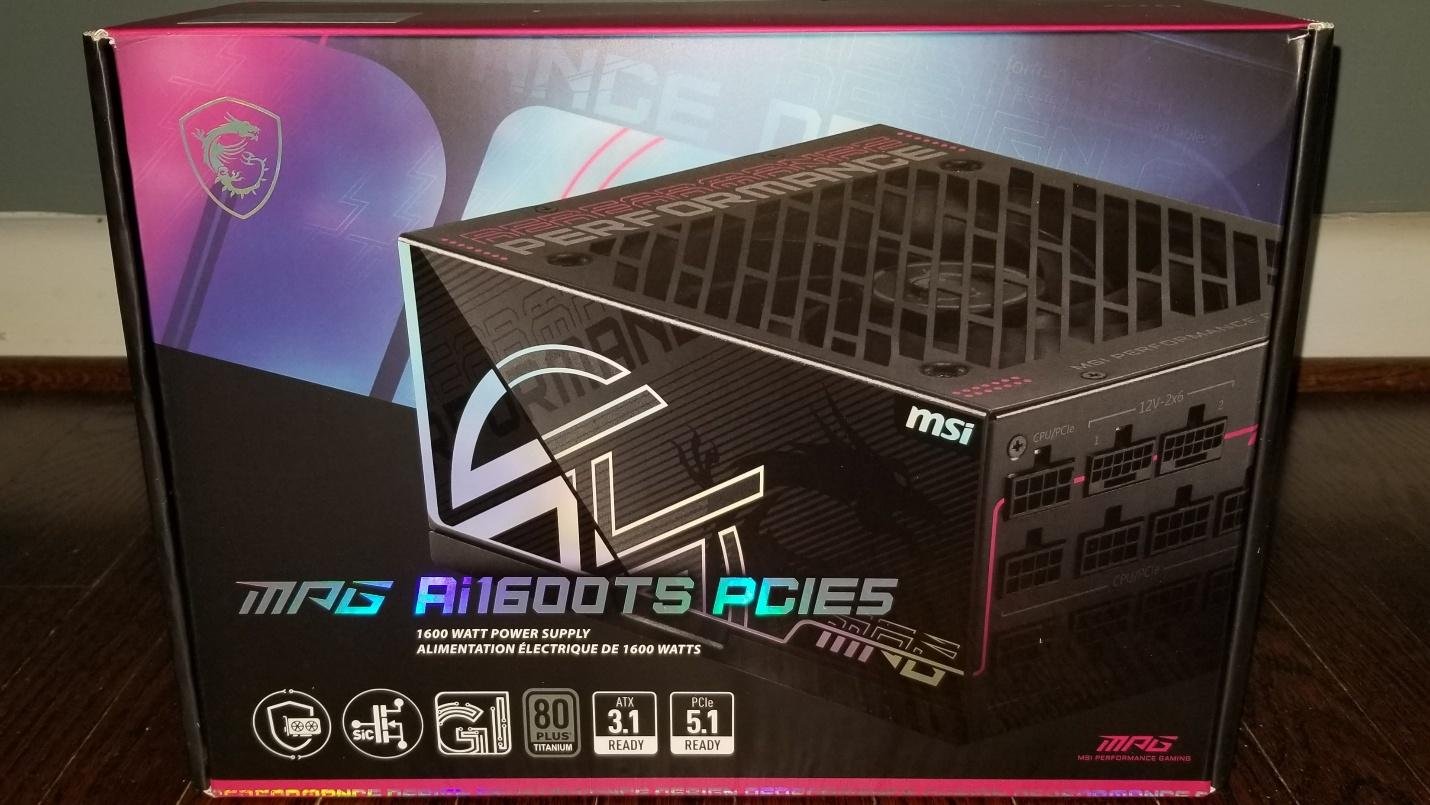
At CES 2026 MSI unveiled the MPG Ai1600TS and Ai1300TS power supplies, the first in the brand’s lineup to ship with server‑grade silicon‑carbide (SiC) MOSFETs and a new protection system called GPU Safeguard+. The feature targets the recurring overheating and melting problems seen on the 12VHPWR (12V‑2x6) GPU power connector that debuted with the RTX 40‑series in 2022. By combining hardware fault detection with software alerts, MSI aims to give builders a safety net when a cable is mis‑seated or an adapter is used.
Technical specs
Connector fault detection
- Current imbalance threshold: 15 % deviation between any of the six 12 V pins.
- Spike detection: > 120 % of the rated 600 W per connector for more than 200 ms.
- Response timeline:
- Immediate audible buzzer (3‑minute tone).
- Software warning via MSI Center, MSI Afterburner, and HWiNFO.
- After 3 min of sustained fault, PSU cuts power to the GPU rail.
Monitoring ecosystem
| Tool | Integration method | Key metrics displayed |
|---|---|---|
| MSI Center | USB‑C to 9‑pin motherboard header | Total output, efficiency, temperature, per‑pin 12VHPWR current distribution |
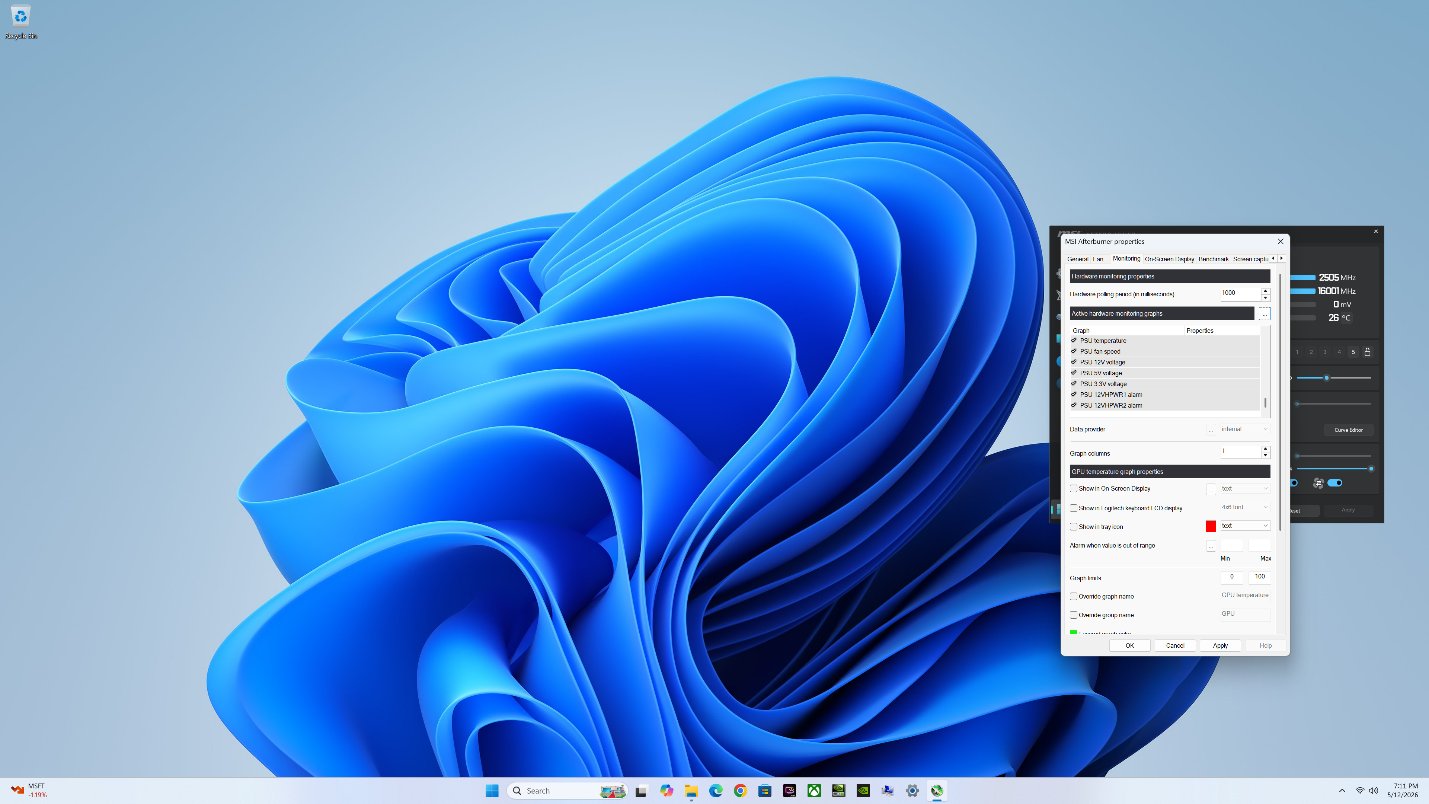
| MSI Afterburner (v4.6.7+) | PSU.dll plugin | Real‑time current per pin, alarm thresholds, automatic GPU power‑limit reduction to 75 % |
| HWiNFO (v8.42) | Native PSU support | Current imbalance alerts, CSV logging |
The PSU’s USB‑C port supplies a 5 V, 3 A link to the motherboard, allowing the monitoring software to query the internal sensor array every 250 ms. In practice, the per‑pin current readout shows a typical spread of 95 %‑105 % under balanced load, while a deliberately mis‑seated cable spikes one pin to 140 % of its share, triggering the safeguard.
Performance under load
During a stress test with an RTX 5090 running FurMark at 600 W, the Ai1600TS maintained:
- Peak system draw: 1 420 W (well within the 1 600 W rating)
- Efficiency: 94 % (measured at 800 W sustained)
- PSU temperature: 48 °C (idle 35 °C, fan remained off)
- Fan curve: Starts at 50 % load (~800 W) – the unit stayed silent throughout the gaming benchmarks (Alan Wake 2, Cyberpunk 2077).
Market implications
The 12VHPWR connector has become the de‑facto standard for GPUs above 300 W, and manufacturers have struggled with field failures caused by uneven current distribution. MSI’s approach adds a software‑driven safety layer that does not rely on physical redesigns alone. Competing brands such as Corsair, Seasonic, and ASUS have announced similar “GPU‑protect” features, but MSI’s integration with the widely used Afterburner platform gives it a practical edge for gamers who already monitor clock speeds and power limits.
From a supply‑chain perspective, the new SiC MOSFETs enable higher switching frequencies (up to 500 kHz) while keeping conduction losses below 1 W per device. This translates to the high efficiency numbers reported above and helps keep the PSU’s thermal envelope low enough to avoid fan noise—a selling point for premium builds.
The three‑minute grace period has drawn criticism; most reviewers agree that a 60‑90 second window would be sufficient to prevent thermal damage while still giving users time to save work. However, the audible alarm and automatic GPU throttling mitigate most risk, and the feature’s log‑based diagnostics simplify warranty claims for manufacturers.
If the safeguard proves reliable across the broader market, we could see a shift where PSU vendors bundle fault‑detection firmware as a standard offering, much like VRM temperature monitoring became commonplace on motherboards. That would raise the baseline safety level for high‑end workstations and enthusiast rigs, potentially reducing the number of RMA cases linked to melted 12VHPWR connectors.
Bottom line
GPU Safeguard+ demonstrates that software‑assisted hardware protection can be practical for the power‑hungry era of 12 VHPWR GPUs. In our tests the system warned within seconds, throttled the GPU, and finally cut power after a three‑minute window, all while the PSU stayed under 50 °C and silent. The feature’s real value lies in its integration with existing monitoring tools and its ability to log fault data for manufacturers. While the response time could be tightened, the technology sets a new benchmark for premium PSUs and is likely to become a baseline expectation for future high‑wattage power supplies.
Comments
Please log in or register to join the discussion