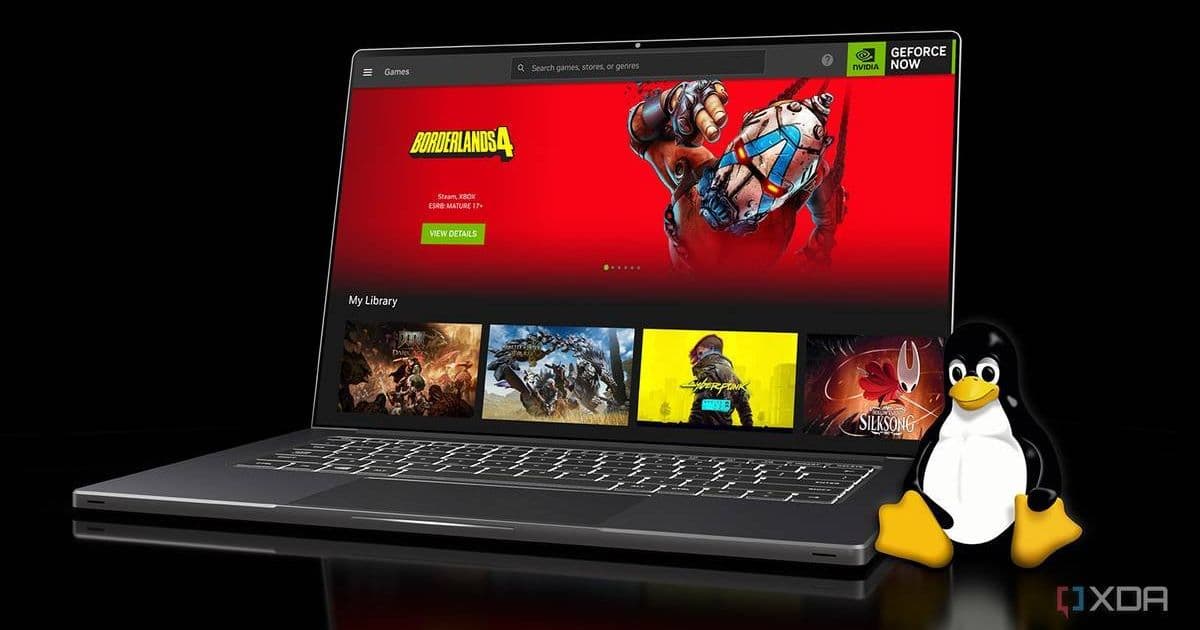
GOG is hiring a senior engineer to create a native Linux version of its Galaxy client, marking a significant push into the Linux gaming market.
GOG, the digital distribution platform known for classic and retro-style games, has declared Linux "the next major frontier" for gaming as it works on developing a native Linux client for its GOG Galaxy library application.
A New Chapter for GOG on Linux
The news comes from a recent job posting on the GOG website, where the company is seeking a senior engineer to help shape Galaxy's architecture specifically for Linux from day one. This marks a significant shift in GOG's approach to the Linux platform, moving beyond simple compatibility to native development.
For those unfamiliar with GOG, the name stands for "Good Old Games," though the platform has evolved to include newer titles with retro aesthetics. The company recently underwent a change in ownership when its original co-founder repurchased the store from CD Projekt Red, with plans to differentiate itself from Steam by curating higher-quality game selections.
Why This Matters for Linux Gaming
Currently, GOG Galaxy is an optional library app that enhances the gaming experience with features like automatic updates, cloud saves, and achievements. While users don't need Galaxy to play their purchased games, having a native Linux version would eliminate the need for workarounds like Wine or Proton, providing a smoother, more integrated experience.
The move is particularly significant given Linux's growing presence in gaming. With Steam's Proton compatibility layer and increasing developer support, Linux has become a viable gaming platform. GOG's native client could further accelerate this trend by making classic games more accessible to Linux users without technical hurdles.
The Technical Challenge
Developing a native Linux client presents unique challenges. The senior engineer GOG is hiring will need to consider:
- Cross-platform architecture that maintains feature parity across Windows, macOS, and Linux
- Integration with Linux desktop environments and package managers
- Performance optimization for various Linux distributions
- Compatibility with Linux gaming tools and frameworks
This isn't just about porting existing code; it's about building with Linux as a first-class citizen from the ground up.
What This Means for Gamers
For Linux gamers, a native GOG Galaxy client represents several advantages:
- Reliability: No more troubleshooting Wine compatibility issues
- Performance: Native applications typically run more efficiently
- Integration: Better desktop integration and system compatibility
- Future-proofing: Native support ensures long-term compatibility as Linux evolves
The Broader Context
GOG's move comes at a time when Linux gaming is experiencing unprecedented growth. Steam's hardware survey shows Linux usage at record highs, and major game developers are increasingly supporting the platform natively. By positioning Linux as "the next major frontier," GOG is aligning itself with this trend rather than fighting against it.
This strategy also makes business sense. As more gamers adopt Linux, either through dual-boot setups or dedicated Linux gaming systems, platforms that offer native support will have a competitive advantage. GOG's focus on classic games is particularly well-suited to Linux, as many older titles run exceptionally well on modern Linux systems.
Looking Ahead
The hiring of a senior engineer dedicated to Linux development suggests this is more than a token gesture. GOG appears committed to making Linux a core part of its platform strategy, which could include:
- Native Linux versions of more GOG tools and services
- Enhanced Linux-specific features in Galaxy
- Potential Linux-first releases for certain titles
- Better integration with open-source gaming ecosystems
As GOG continues to evolve under its new ownership, this Linux initiative represents a bold step toward making classic gaming more accessible than ever. For Linux users who have long relied on workarounds to enjoy GOG's library, a native client can't come soon enough.
Comments
Please log in or register to join the discussion