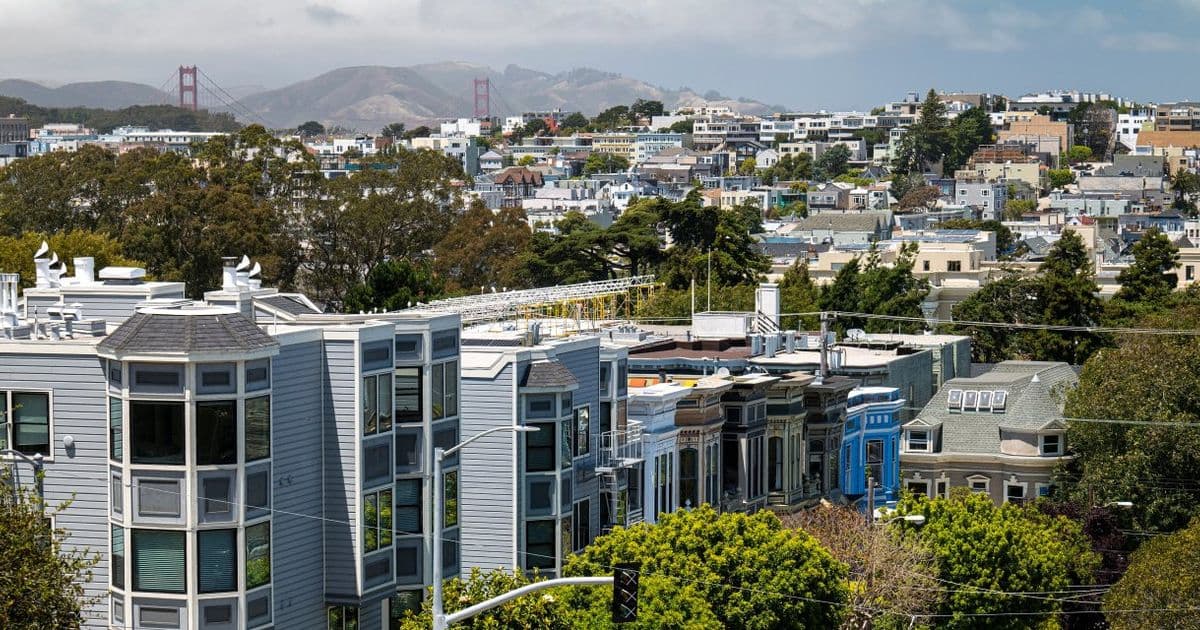
San Francisco's rental market is experiencing its fastest growth in years, with Apartment List reporting a 14% year-over-year increase in February 2026, fueled by the AI industry's expansion and renewed demand for tech workers.
San Francisco's housing market is experiencing a dramatic turnaround, with rents surging at their fastest pace in years as the AI boom reshapes the city's real estate landscape. According to data from Apartment List, rents rose 14% year-over-year in February 2026, marking the fastest growth in the United States and signaling a robust recovery from the pandemic-era slump that had plagued the Bay Area.
The rebound comes as tech companies, particularly those focused on artificial intelligence, expand their operations and staffing in San Francisco. The city, which had seen years of declining rents and population loss as remote work became prevalent, is now witnessing renewed demand for housing from both returning tech workers and new AI-focused companies establishing headquarters in the area.
"It's just skyrocketed," said one house hunter quoted in the Wall Street Journal report, capturing the sentiment of many buyers and renters navigating the suddenly competitive market. The surge reflects broader trends in the tech industry, where AI companies are competing aggressively for talent and office space, driving up costs across the board.
This housing boom stands in stark contrast to the situation just two years ago, when San Francisco's downtown was dotted with vacant office buildings and apartment vacancies were at record highs. The rapid shift underscores how quickly the tech industry's priorities can reshape urban economies, with AI emerging as the dominant force driving demand for both commercial and residential real estate.
The 14% annual increase in rents is particularly noteworthy given that it represents growth across all segments of the market, from luxury apartments to more modest units. This broad-based increase suggests that the demand is coming from a wide range of tech workers and companies, rather than just high-end segments of the market.
Real estate experts note that the current boom differs from previous tech-driven housing surges in several ways. Unlike the dot-com boom of the late 1990s or the social media surge of the 2010s, the current AI boom is characterized by massive capital investment in infrastructure, including data centers and specialized computing facilities, which are often located in or near urban centers.
However, the rapid price increases are raising concerns about affordability and displacement, particularly in historically working-class neighborhoods. Housing advocates worry that the AI boom could accelerate gentrification and push lower-income residents out of the city, repeating patterns seen during previous tech booms.
The rental surge also comes amid broader economic trends, including inflation and rising construction costs, which are making it more difficult to build new housing to meet demand. This supply constraint is likely to keep upward pressure on prices in the near term, even as the city works to address its long-standing housing shortage.
For tech workers, the higher rents represent a mixed blessing. While the AI boom has created lucrative job opportunities, the increased cost of living in San Francisco may offset some of those gains. Some companies are responding by offering higher salaries or remote work options, though the trend appears to be toward more in-person work for AI-focused roles that require collaboration and access to specialized hardware.
The housing market rebound is also affecting related sectors, including retail and services, which are seeing increased demand as more workers return to offices and spend time in the city. Restaurants, cafes, and other businesses that had struggled during the pandemic are now experiencing renewed activity, particularly in areas with concentrations of tech offices.
Looking ahead, real estate analysts expect the AI-driven demand to continue supporting San Francisco's housing market in the near term, though questions remain about how sustainable the current growth rates are. Some worry that the market could be overheating, while others see the rebound as a necessary correction after years of decline.
The situation in San Francisco reflects a broader pattern of tech-driven economic cycles reshaping urban economies across the United States. As AI continues to expand its influence on the economy, cities with strong tech sectors are likely to see similar patterns of boom and bust, with housing markets particularly sensitive to shifts in industry demand.
For now, San Francisco's renters and buyers are navigating a market that has transformed almost overnight, with the AI boom proving to be a powerful force in driving one of the most significant real estate recoveries in recent memory. The challenge for the city will be ensuring that this growth benefits a broad range of residents rather than exacerbating existing inequalities.
The 14% rent increase reported by Apartment List serves as a stark reminder of how quickly technological shifts can reshape urban economies, with the AI boom breathing new life into a market that many had written off just a few years ago. As the industry continues to evolve, San Francisco's experience may offer valuable lessons for other cities facing similar transformations.
Comments
Please log in or register to join the discussion