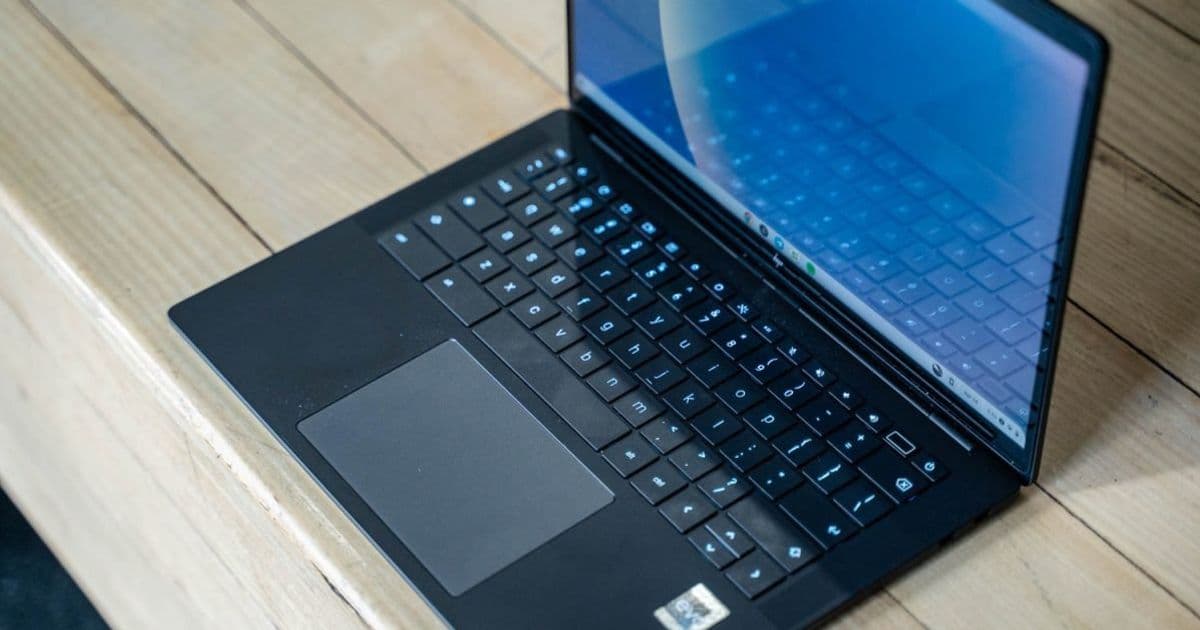
A Chromium Issue Tracker bug report has inadvertently revealed Google's plans for an Android desktop interface, showing a taller status bar, mouse cursor support, Chrome extensions, and other desktop-focused features.
A Google bug report on the Chromium Issue Tracker has inadvertently leaked details about the company's planned Android desktop interface, offering the first public glimpse at what appears to be Google's vision for bringing Android to desktop environments.
The leaked information, discovered by 9to5Google, shows several desktop-oriented features that Google appears to be developing for Android. The most notable changes include a taller status bar designed for desktop use, a new mouse cursor implementation, and support for Chrome extensions - features that would significantly enhance Android's usability on larger screens with traditional input methods.
This leak comes at a time when Google has been increasingly focused on improving Android's desktop capabilities. The company has made several moves in recent years to better position Android as a viable desktop operating system, including the development of Project Fuchsia and various initiatives to improve Android's window management and multitasking capabilities on larger displays.
What the Leak Reveals
The bug report details several key features that Google appears to be working on:
Enhanced Status Bar: The taller status bar shown in the leak suggests Google is optimizing Android's interface for desktop use, where screen real estate and information density need to be different from mobile devices.
Mouse Cursor Support: The inclusion of a mouse cursor indicates Google is seriously considering traditional desktop input methods, moving beyond touch-based interactions that have defined Android on mobile devices.
Chrome Extensions: Perhaps most significantly, the leak shows support for Chrome extensions, which would allow Android apps to integrate with the broader Chrome ecosystem and potentially run web-based desktop applications.
Desktop Window Management: While not explicitly detailed in the leak, the overall interface suggests Google is working on improved window management capabilities for Android on desktop environments.
Context and Industry Implications
This leak provides concrete evidence of Google's desktop ambitions for Android, which have been the subject of speculation for years. The timing is particularly interesting given the current competitive landscape in desktop operating systems.
Microsoft continues to dominate the desktop market with Windows, while Apple has been strengthening its position with macOS through tight integration with iOS and iPadOS. Google's Chrome OS has found success in education and some enterprise segments, but has struggled to gain significant market share in the broader consumer desktop market.
An Android desktop interface could potentially give Google a stronger foothold in the desktop space by leveraging the massive Android app ecosystem. However, this approach also faces significant challenges, including:
- App Optimization: Most Android apps are designed for touch interfaces and may need substantial reworking for desktop use
- User Experience: Creating a cohesive desktop experience that doesn't feel like a stretched mobile interface
- Developer Buy-in: Convincing developers to optimize their apps for desktop use cases
Historical Context
Google has attempted various approaches to bring Android to desktop environments over the years. Android-x86 has been an open-source project for running Android on PCs for over a decade, but never achieved mainstream adoption.
More recently, Google has focused on Chromebooks, which run Chrome OS but can run Android apps in a limited capacity. The company has also experimented with Android apps on Windows through partnerships with Microsoft.
This new desktop interface appears to be a more comprehensive approach, potentially positioning Android as a direct competitor to Windows and macOS rather than just a companion to Chrome OS.
Technical Considerations
The leak raises several technical questions about how Google plans to implement these desktop features:
Performance: Running Android apps on desktop hardware with potentially different architectures (x86 vs ARM) could present performance challenges that need to be addressed.
Security: Desktop environments typically have different security models than mobile devices, and Google will need to ensure Android's security features translate effectively to desktop use cases.
Compatibility: Ensuring existing Android apps work seamlessly with mouse and keyboard input while maintaining their mobile functionality will be a significant engineering challenge.
Industry Reaction
The leak has generated significant discussion in the developer community, with many speculating about the potential impact on the desktop operating system market. Some see this as Google's most serious attempt yet to challenge Windows and macOS dominance, while others remain skeptical about Android's suitability for desktop use.
What's Next
While this leak provides valuable insight into Google's plans, it's important to note that features shown in development can change significantly before public release. Google has not officially announced any desktop-focused Android plans, and the company typically doesn't comment on leaked information.
The bug report itself has likely been addressed by Google's security team, as such leaks are typically resolved quickly once discovered. However, the information revealed provides a fascinating glimpse into what could be Google's next major push in the operating system market.
As the desktop operating system landscape continues to evolve with the rise of cloud computing and new form factors, Google's Android desktop interface could represent an important strategic move. Whether it will succeed in challenging established players remains to be seen, but the leaked features suggest Google is taking the desktop opportunity seriously.
Comments
Please log in or register to join the discussion