
Google unveiled transformative agentic AI commerce initiatives at NRF 2026, including an open commerce standard, AI-powered shopping tools, and nationwide drone delivery expansion with Walmart.

Retail entered a new phase of technological transformation at the National Retail Federation's 2026 conference, where Google announced a comprehensive suite of AI-driven commerce solutions. These developments signal a strategic shift toward what Google terms the "agentic commerce era," where AI agents autonomously assist consumers throughout their shopping journeys.
The AI Platform Shift: Sundar Pichai's Vision
In his keynote address, Google CEO Sundar Pichai framed AI as retail's next platform shift, comparable to past transitions to mobile and e-commerce. "We're moving from transactional interactions to anticipatory relationships," Pichai stated, outlining how agentic systems will fundamentally reshape customer experiences. Rather than reacting to searches, Google's AI will proactively manage complex tasks like price negotiation, sustainability filtering, and personalized product curation across retail ecosystems.

Google Ads: The Open Agentic Commerce Standard
Google Ads VP Vidhya Srinivasan unveiled a groundbreaking open standard for agentic commerce designed to create interoperability between retailer systems and AI shopping agents. This framework allows:
- Unified product data schema: Standardized attributes for price, availability, and sustainability credentials
- AI negotiation protocols: Machine-to-machine bidding for personalized discounts
- Cross-platform cart persistence: Seamless continuation of shopping sessions across retailer sites and Google surfaces
Complementing this standard, Google introduced three AI tools:
- Autonomous Campaign Orchestrator: Automatically optimizes ad spend across channels based on real-time inventory and demand signals
- Conversational Storefronts: AI store associates deployable on retailer websites via Dialogflow
- Demand Sensing Dashboard: Predictive analytics forecasting location-specific product trends using Google Trends and Geo Data
Drone Delivery Nationwide Expansion
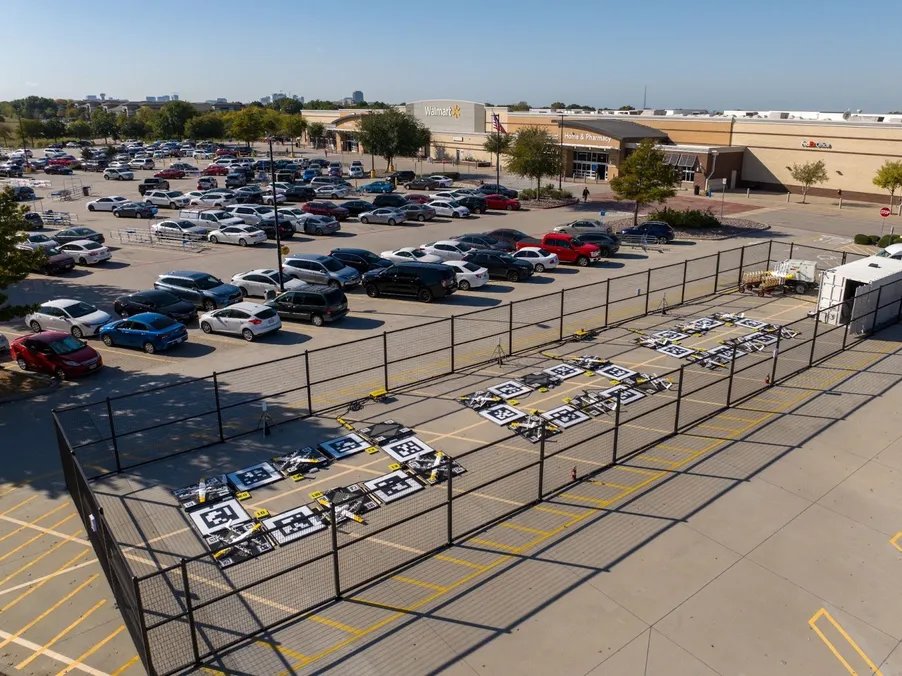
In physical commerce, Google's Wing division announced scaling its drone delivery service with Walmart to over 150 stores nationwide. This expansion marks the largest residential drone delivery operation globally, projected to reach 40 million Americans by late 2026. Key technical developments include:
- Autonomous charging stations: Drones self-navigate to charging pads between deliveries
- Multi-retailer loading hubs: Shared infrastructure reduces operational costs
- Dynamic air traffic control: AI systems managing fleet density in urban corridors
Strategic Implications for Retailers
This announcements create immediate pressure points for retail IT strategies:
- Cloud Architecture Decisions: Retailers must choose between building proprietary agentic systems or adopting Google's open framework, with significant implications for data ownership and customization.
- Pricing Model Disruption: Automated agent negotiation could compress margins, forcing dynamic pricing overhauls.
- Last-Mile Reconfiguration: Drone networks threaten traditional delivery partnerships, favoring retailers with dense urban store networks.
Google's open approach contrasts with Amazon's closed ecosystem, offering retailers more control but requiring deeper technical integration. As Pichai noted: "The retailers who thrive will be those building AI-native operations, not just bolting AI onto legacy systems." The full technical specifications for Google's agentic commerce framework are available in their developer documentation.
Comments
Please log in or register to join the discussion