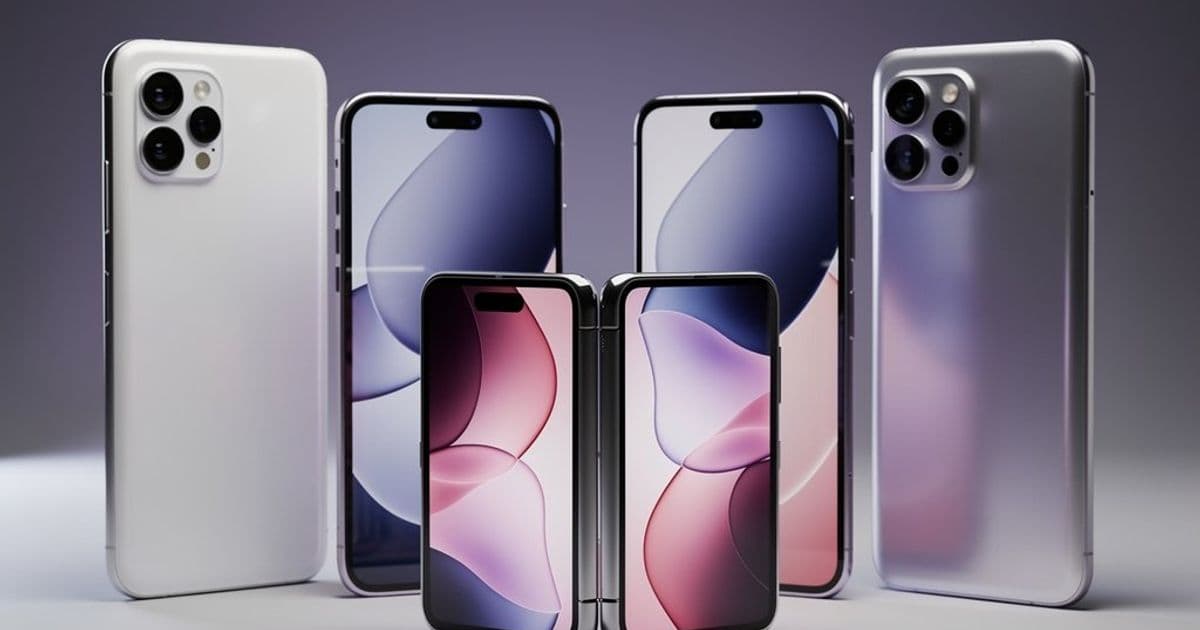
Mobile expert George shares his personally curated yet practical selection of 2025's standout smartphones, balancing innovation with real-world usability across foldables, flagships, and camera powerhouses.
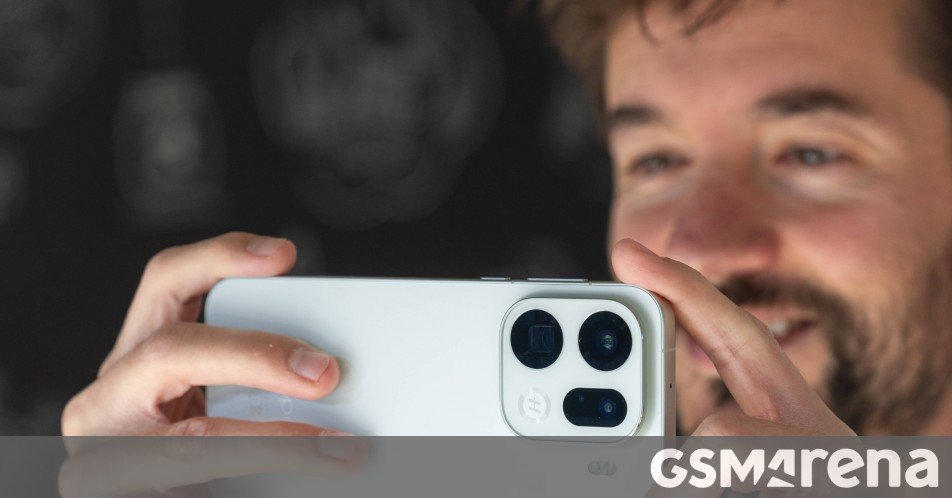
Selecting five truly noteworthy phones in 2025 proved surprisingly challenging, as evidenced by colleagues struggling to fill their own lists. This selection combines one personal favorite, several crowd-approved devices, and phones included by tradition - each excelling in specific use cases rather than claiming universal superiority.
Samsung Galaxy Z TriFold: The Foldable Evolution
Though foldables don't align with my usage patterns (prioritizing cameras over flexible displays), the Galaxy Z TriFold represents meaningful progress. Its triple-fold design creates a tablet with sensible proportions when unfolded, while maintaining pocket-friendly phone dimensions when closed. The hinge mechanism outperforms competitors like Huawei's Mate XT Ultimate in protecting the delicate flexible display.
Compromises exist: The €3,000 price tag positions it as a luxury item, and camera performance lags behind comparably priced traditional flagships. Yet for users needing both tablet productivity and phone portability, the Z TriFold delivers a cohesive experience that pushes foldable technology forward.
Apple iPhone 17 Pro & Google Pixel 10 Pro: Ecosystem Standards
These flagship twins share similar strengths despite their OS divide. Both exhibit exceptional hardware polish - superior glass finishes, industry-leading display brightness, meticulously tuned haptics, and fluid animations create a premium tactile experience.
Their shared standout feature is Qi2 magnetic wireless charging support, still rare among Android manufacturers. Unfortunately, both suffer from camera systems that feel iterative rather than innovative. While delivering competent results, they lack the photographic excitement found in specialized imaging phones. These devices shine brightest for users deeply invested in their respective ecosystems.
vivo X300: The Crowd-Pleaser
This selection comes directly from real-world validation: My partner's exhaustive search for a Pixel 7 Pro replacement ended with the vivo X300. It solved every pain point: compact dimensions replacing bulky predecessors, modern high-performance cameras surpassing Google's aging hardware, an improved selfie module, and exceptional battery life (particularly in non-EU variants).
Witnessing how perfectly it addressed specific user needs makes the X300 worthy of inclusion. Its success demonstrates how targeted solutions can outperform generic flagships for individual preferences.
Oppo Find X9 Pro: The Personal Favorite
This represents my unequivocal top choice. The Find X9 Pro delivers a near-perfect balance: class-leading camera hardware, exceptional battery capacity, and official Qi2-compatible cases integrating magnetic charging. While China-only Ultra models promise incremental camera improvements, the X9 Pro's global availability makes it accessible.
In direct comparisons with rivals like the vivo X300 Pro, the Oppo prevailed through superior battery optimization (especially in EU configurations) and more consistent imaging performance. The trifecta of imaging excellence, power endurance, and charging convenience creates the most compelling daily driver I tested this year.
The Pragmatic Reality
This list reflects 2025's mobile landscape: Incremental improvements dominate, with meaningful upgrades often accompanied by trade-offs. The era of revolutionary single-device superiority appears paused. For now, selecting the right phone means matching specific priorities - whether that's foldable versatility, ecosystem integration, compact power, or imaging excellence. Here's hoping 2026's Ultra models reignite broader excitement.

Image credits: GSMArena
Comments
Please log in or register to join the discussion