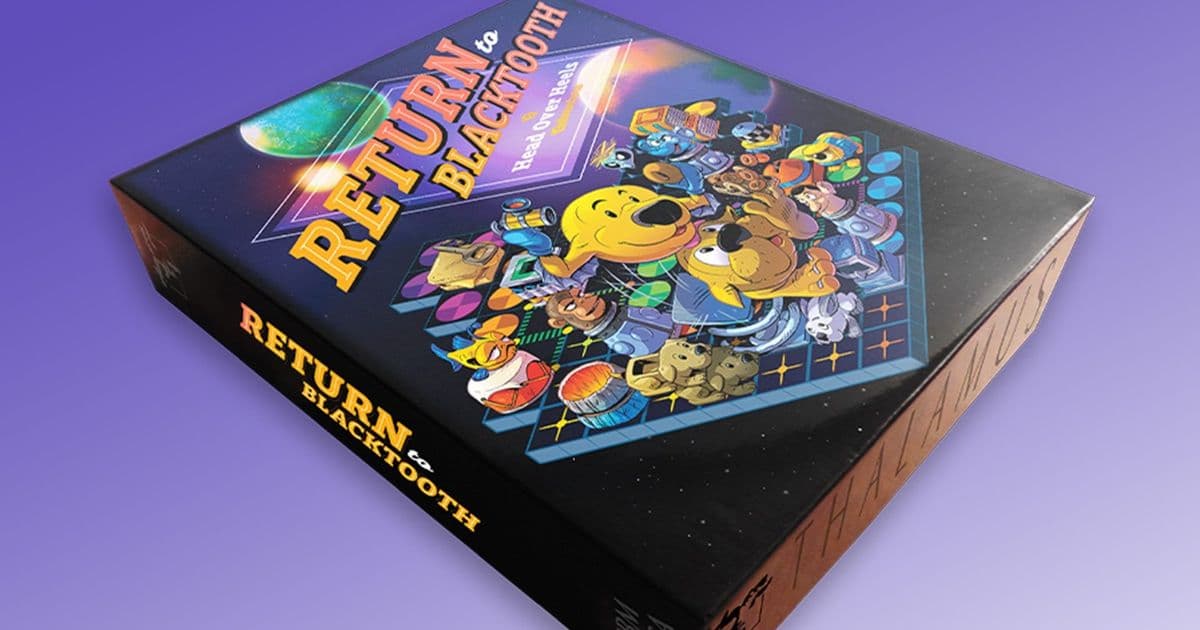
Original Head Over Heels programmer Colin Porch has finished the long‑shelved sequel ‘Return to Blacktooth’, releasing it on Atari ST and Commodore Amiga after a 37‑year hiatus. The game ships as a downloadable title for $12.99 with physical boxed editions slated for later this year.
Veteran programmer finishes retro game sequel after 37 years
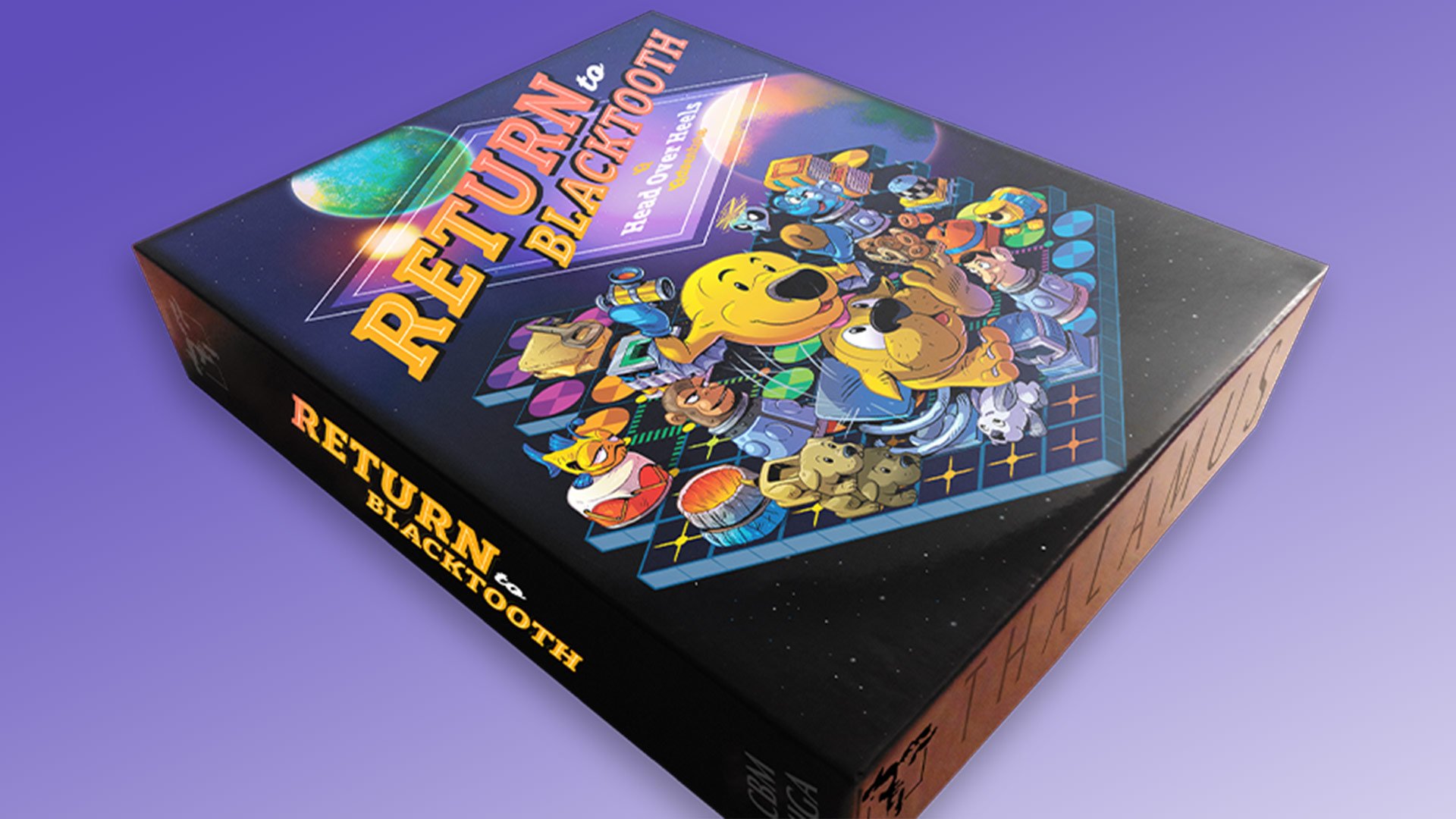
The sequel to Ocean Software’s 1987 isometric puzzler Head Over Heels finally sees the light of day. Original coder Colin Porch completed Return to Blacktooth for the Atari ST and Commodore Amiga, a project that was abandoned in 1989 when Ocean shifted focus to console titles. The release arrives amid the 2020s retro‑gaming surge, offering a full‑featured adventure that runs on machines with at least 1 MiB of RAM.
Technical specs and gameplay
- Target platforms: Atari ST, Commodore Amiga (compatible with modern emulators)
- Memory requirement: 1 MiB RAM (half‑meg machines will not run the title)
- File size: ~3.2 MiB, compressed for download, unpacks to a 720 KB executable plus assets
- Price: $12.99 for the digital download; boxed copies announced for Q3 2024
- Game world: Five distinct planets, 300+ rooms, each populated with puzzles that rely on the dual‑character mechanic from the original (Head and Heels have complementary abilities)
- Audio: Remixed SID/PCM tracks, preserving the 8‑bit timbre while adding subtle stereo separation for modern headphones
- Graphics: 320 × 200 resolution, 16‑color palette, same isometric perspective that defined the 1987 release
The development process involved porting the original 1989 source code, written in 68000 assembly, to run on both the ST’s 68000 CPU and the Amiga’s 68020‑compatible variants. Porch reported that the codebase required ≈ 12 % of the original lines to be rewritten to address timing differences between the two machines, a typical challenge when targeting multiple 68k platforms.
Market implications
- Supply‑chain context – The release does not depend on new silicon; it leverages existing hardware that is still produced in limited batches by specialist manufacturers. The modest RAM requirement means the game can be sold to owners of legacy machines without prompting a hardware upgrade, sidestepping the current “RAMpocalypse” affecting modern PC builders.
- Pricing strategy – At $12.99, the title sits between typical indie releases on contemporary platforms ($5‑$20) and premium collector’s editions of retro hardware ($30‑$60). The price reflects the niche audience while still covering royalty payments to Ocean’s estate and the cost of producing a limited run of physical boxes.
- Demand drivers – Retro‑gaming forums report a +42 % year‑over‑year increase in searches for Atari ST and Amiga titles. The announcement aligns with this trend, suggesting a ready market for additional releases that target the same hardware.
- Potential ripple effects – Successful sales could encourage other dormant projects from the late‑80s/early‑90s to be resurrected, especially those with source code still archived. Developers may see a viable path to monetize legacy code without needing new silicon, simply by packaging it for existing enthusiast platforms.
What this means for the retro community
- Accessibility – By providing a digital download, Porch removes the barrier of locating a physical floppy. Emulators can now run the game straight from a disk image, broadening the audience to younger players who lack original hardware.
- Collector appeal – The promised boxed edition, complete with a printed manual and period‑accurate artwork, caters to the segment that values physical media. Limited‑run production also creates a scarcity premium that can drive secondary‑market prices.
- Preservation – The release adds a documented, tested build of a 68k assembly project to public archives, aiding future preservation efforts for software from the era.
Return to Blacktooth demonstrates that even after four decades, there remains a viable commercial and cultural niche for new content on classic platforms. As the retro market continues to mature, we can expect more developers to revisit unfinished projects, turning historical footnotes into sellable products without the need for new chip fabrication.
Related resources
- Official release page (download & purchase): https://www.thalamus.digital/return-to-blacktooth
- Source code snapshot (archived on GitHub): https://github.com/thalamus/return-to-blacktooth
- Community discussion on the Atari‑ST forum: https://forum.atari-st.com/threads/return-to-blacktooth
Comments
Please log in or register to join the discussion