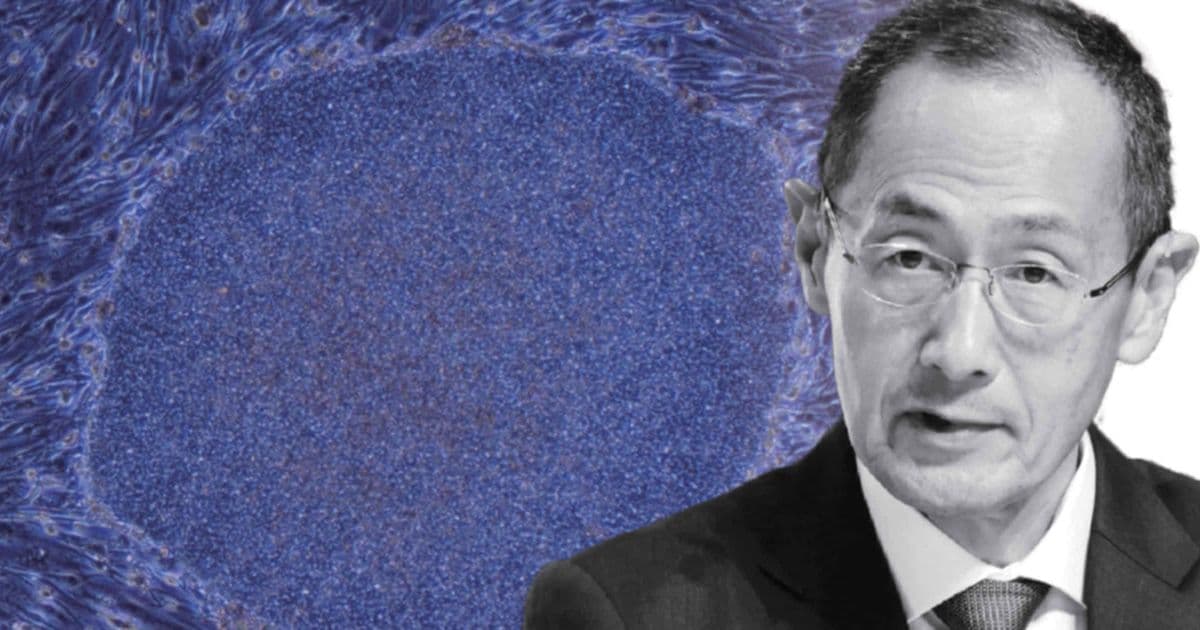
New director Koji Eto says Kyoto University’s Center for iPS Regenerative Medicine has become overly dependent on Shinya Yamanaka’s Nobel‑winning work. He proposes a five‑year strategic plan that broadens the research portfolio, seeks new IP extensions, and invites industry partners to share development risk as the global stem‑cell market heads toward a $30 billion valuation by 2030.
Business news
Kyoto University’s flagship iPS (induced pluripotent stem cell) research centre, the Center for iPS Regenerative Medicine (CiRA), announced on May 27 that its new director, Koji Eto, will steer the institute away from a singular focus on Shinya Yamanaka’s Nobel‑winning discoveries. In a briefing to the press, Eto said the centre had become “repetitive” and that its reliance on Yamanaka’s protocols limited both scientific breadth and commercial upside. The university plans to file a five‑year extension for its core iPS patents and to launch a diversification programme that will fund at least three non‑Yamanaka‑derived stem‑cell lines by 2029.
Market context
The global market for iPS‑derived therapeutics is projected to reach US$30 billion by 2030, according to a recent report by Grand View Research. Japan currently accounts for roughly 12 % of that value, driven largely by the success of Yamanaka‑based platforms that underpin Takeda’s recent approvals for age‑related macular degeneration and a Parkinson’s disease trial. However, the same report warns that the sector’s growth is increasingly tied to platform diversification: companies that can produce high‑yield, GMP‑grade iPS cells at lower cost are attracting the bulk of venture capital.
In the past two years, Japanese startups such as Cellular Dynamics and MediStem have raised a combined ¥45 billion (≈US$300 million) to develop alternative reprogramming methods that avoid the oncogenic vectors traditionally used by Yamanaka’s protocol. Meanwhile, overseas players like CRISPR Therapeutics and BlueRock have secured multi‑billion‑dollar partnerships with pharma giants, leveraging CRISPR‑edited iPS lines to accelerate pipeline development.
What it means
Eto’s diversification push is a direct response to two pressures:
Funding sustainability – Kyoto University’s iPS programme currently receives ¥12 billion in annual public grants, but the Ministry of Education has signaled tighter allocations unless the centre demonstrates broader impact. By expanding the IP portfolio, CiRA hopes to capture a larger share of royalty streams from upcoming therapies, which could add ¥3–5 billion per year in university revenue.
Industry risk sharing – The new strategy includes a joint‑venture framework that allows biotech firms to co‑develop “next‑generation” iPS lines. Under the draft agreement, partners would contribute up to ¥2 billion in upfront funding for each line, while Kyoto University retains a 15 % equity stake and a royalty of 3 % on downstream product sales.
If successful, the move could reduce the cost of iPS‑based cell therapies by a factor of two to three, echoing Panasonic’s recent announcement of a manufacturing platform that cuts production expenses by 50 %. Lower costs would make iPS treatments more attractive to national health insurers, potentially unlocking an additional ¥20 billion in reimbursement budgets over the next five years.
The shift also signals to the global research community that Japan is no longer content to rest on a single scientific laureate. By encouraging multiple reprogramming approaches—such as mRNA‑only delivery, small‑molecule cocktails, and epigenetic priming—Kyoto University aims to stay competitive as the field moves toward fully automated, AI‑guided cell line generation.
Strategic takeaway: Investors should monitor the upcoming patent extension filing and the first round of partnership agreements slated for Q3 2026. Early‑stage funds that back companies capable of delivering high‑quality, cost‑effective iPS cells stand to benefit from a market that is rapidly moving from proof‑of‑concept to commercial scale.
Comments
Please log in or register to join the discussion