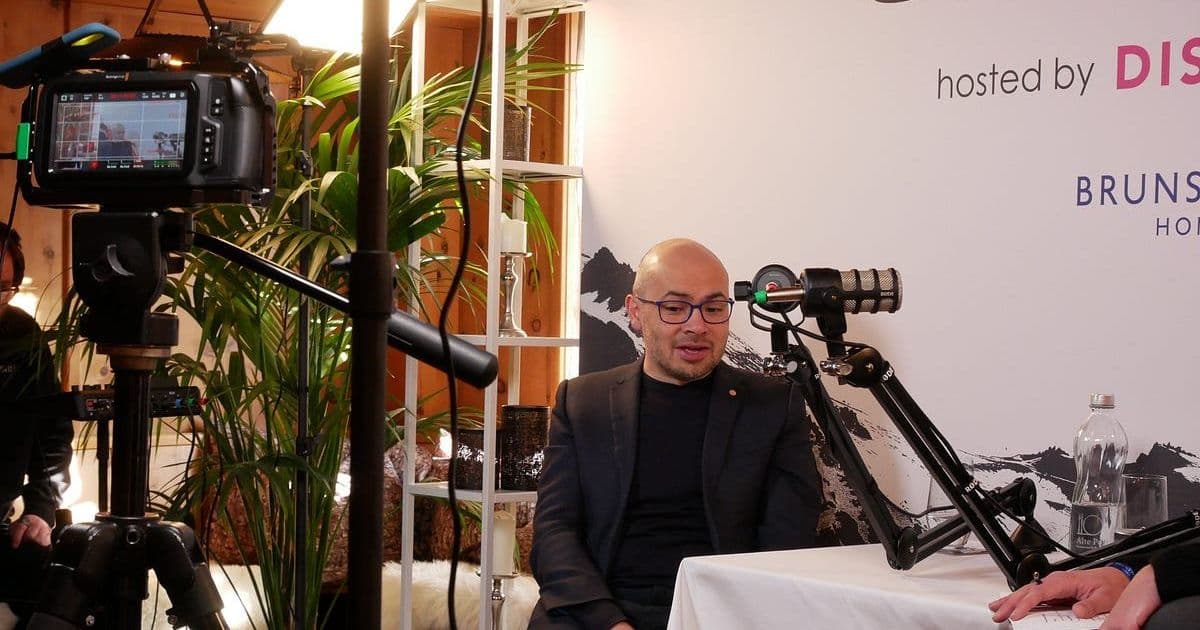
Google DeepMind CEO Demis Hassabis stated there are 'any plans' to put ads in Gemini AI products, contrasting with OpenAI's ad testing and suggesting revenue pressures may be driving competitors' monetization approaches.
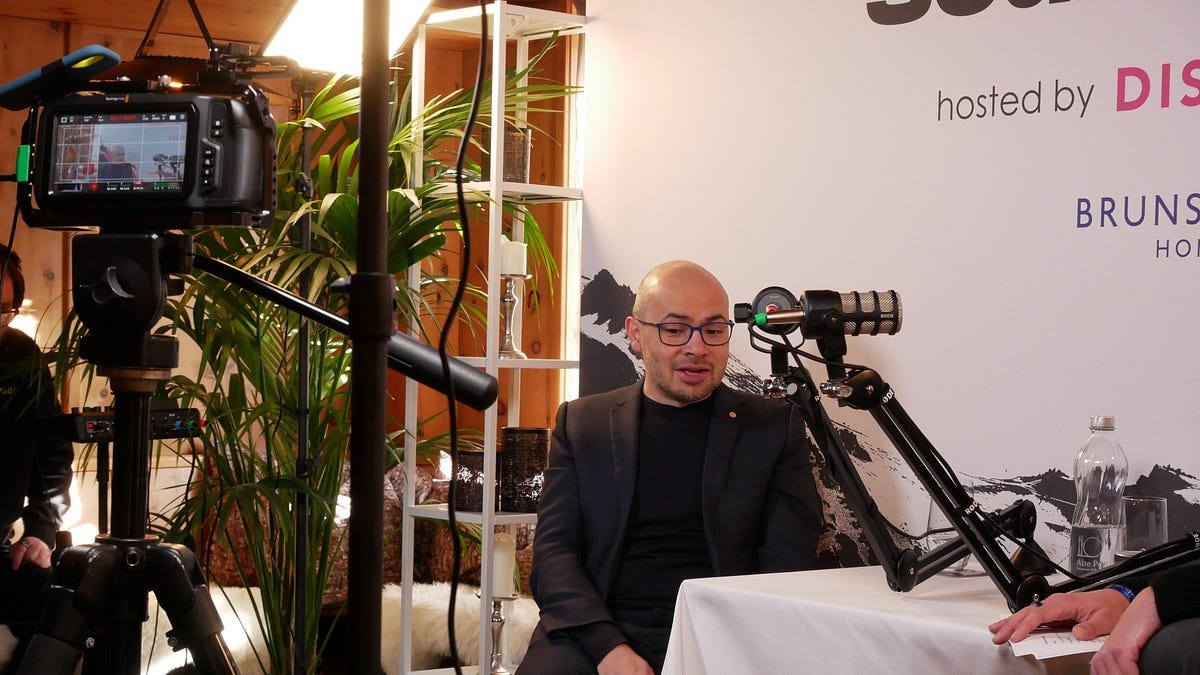
In a notable divergence from industry trends, Google DeepMind CEO Demis Hassabis has explicitly ruled out advertising in Gemini AI products during discussions at the World Economic Forum in Davos. When asked about OpenAI's experimental ad placements in ChatGPT, Hassabis responded: "Maybe they feel they need to make more revenue," highlighting differing monetization philosophies between leading AI labs.
The comments come as OpenAI tests its first advertising products within ChatGPT's interface, following its reported $1.5 billion in ad revenue in 2025. Hassabis emphasized Google's position: "There aren't 'any plans' to put ads in Gemini," positioning Google's approach as distinct from competitors exploring advertising-based models.
The Monetization Crossroads for Foundation Models
This divergence reveals strategic forks in generative AI monetization:
- Subscription Premium Tiers: Both Gemini Advanced and ChatGPT Plus operate $20/month subscriptions
- Enterprise Solutions: Corporate API access remains primary revenue driver
- Advertising Integration: Emerging approach being tested by OpenAI
"Google's avoidance of Gemini ads is fascinating given its core advertising DNA," notes AI business analyst Li Chen. "It suggests DeepMind is prioritizing trust and user experience while leveraging Google's broader ecosystem for monetization." The recently announced Google-Apple partnership for iOS integration provides alternative revenue streams without compromising Gemini's interface.
Technical and Strategic Implications
Hassabis' stance may reflect technical constraints in generative AI advertising:
- Context Collision: LLM outputs struggle with seamless ad integration
- Hallucination Risks: Ads could exacerbate reliability concerns
- User Experience: Interruptive formats may degrade conversation quality
Meanwhile, OpenAI's advertising experiments face implementation challenges. Early tests inject sponsored product suggestions within conversations—a method prone to awkward user experiences when ads appear irrelevant to discussion contexts.
Competitive Positioning
The Davos comments coincided with several competitive developments:
- Gemini 4 Architecture: Hassabis teased multimodal improvements
- Humanoid Robotics: Google's ongoing work in embodied AI
- Chinese AI Landscape: Hassabis assessed Chinese labs as "six months behind" Western leaders
Industry observers note Google can afford ad-free Gemini through its $200 billion core advertising business, while independent players like OpenAI face greater pressure to diversify beyond enterprise contracts and subscriptions.
The Regulatory Dimension
Hassabis' position aligns with increasing regulatory scrutiny. The FTC's revived Meta monopoly case and EU's proposed Cybersecurity Act revisions signal tightening oversight. Advertising in generative AI would likely attract additional regulatory attention—a risk Google appears keen to avoid.
Looking Ahead
Despite Hassabis' definitive statement, industry analysts caution that positions may evolve:
- Google could introduce "sponsored suggestions" in non-core Gemini features
- OpenAI might retreat from ads if user backlash materializes
- Hybrid models (ads in free tiers only) remain probable
"The real test comes when investor patience wears thin," notes Stanford AI economist Dr. Helen Zhou. "When quarterly targets loom, even principled stances face pressure. But for now, Google's war chest lets them play the long game."
As generative AI matures, the Davos exchange highlights fundamental tensions between user experience, monetization needs, and competitive positioning that will shape the next phase of AI deployment.
Comments
Please log in or register to join the discussion