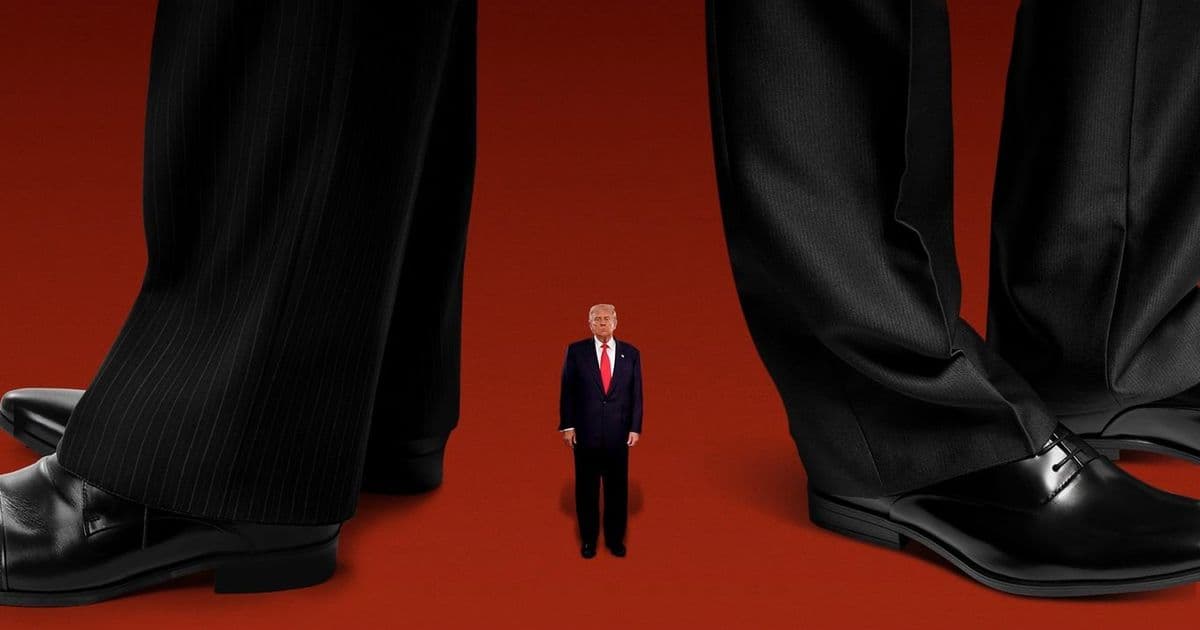
Global tech alliances face recalibration as international partners signal strategic distancing from U.S. political uncertainty ahead of election season.
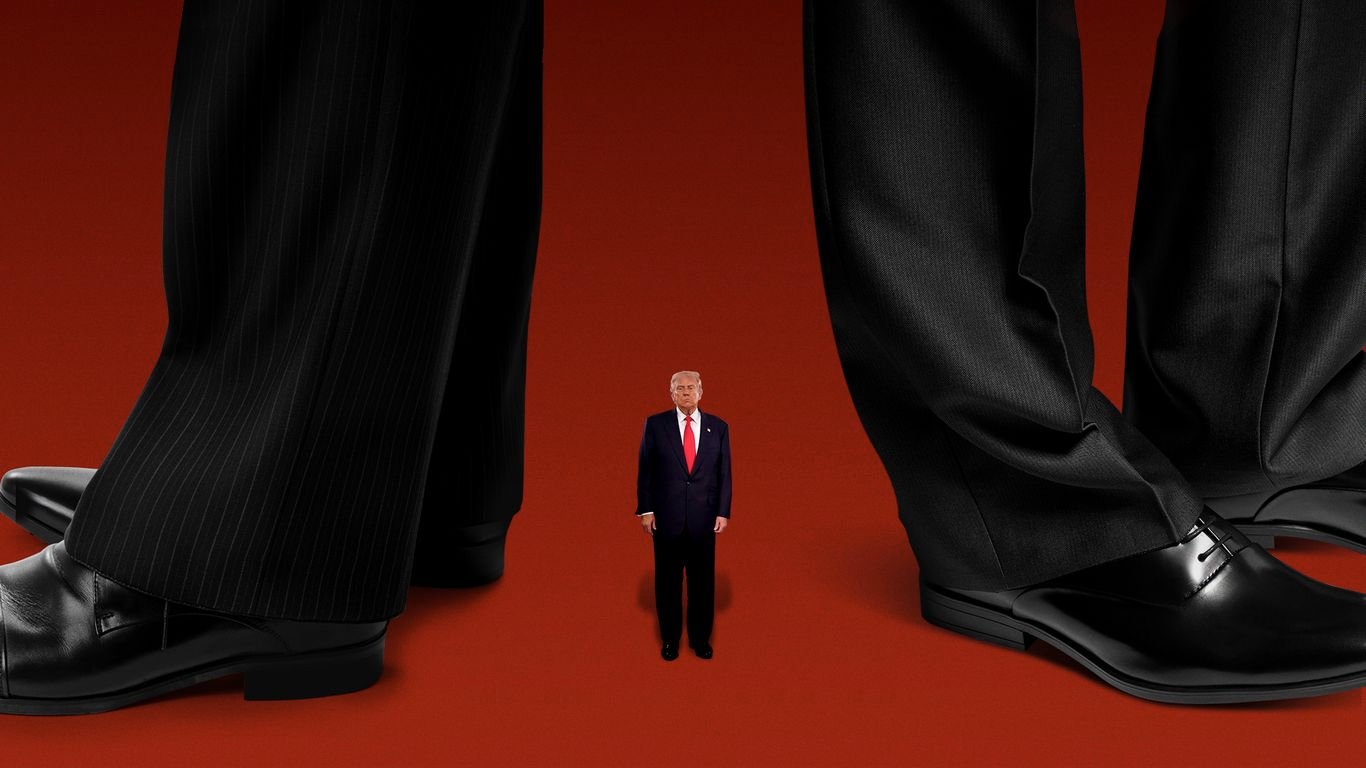
Technology executives and policymakers at Davos have initiated discreet contingency planning amid growing indications that key U.S. allies are preparing to decouple strategic technology initiatives from American political volatility. Diplomatic cables reviewed by multiple financial institutions reveal coordinated efforts among European and Asian partners to firewall critical semiconductor supply chains, quantum computing collaborations, and AI governance frameworks against potential U.S. policy shifts.
Market indicators show tangible effects: the iShares Global Tech ETF (IXN) shows $420 million in outflows this quarter, while European semiconductor equipment makers ASML and BE Semiconductor Industries gained 7.3% and 5.8% respectively following announcements of expanded non-U.S. partnerships. Cross-border venture capital flows into European deep tech startups surged to $4.2 billion in Q4 2023, a 22% year-over-year increase largely driven by Asian sovereign wealth funds.
Supply chain analytics firm Resilinc reports a 47% quarter-over-quarter spike in multinational corporations restructuring technology procurement contracts to include explicit geopolitical risk clauses, with particular emphasis on North American dependencies. The clauses typically mandate six-month termination windows and alternative supplier networks for critical components like advanced sensors and chip manufacturing equipment.
The recalibration extends to data governance frameworks. The EU-U.S. Data Privacy Framework adoption rate among European tech firms plateaued at 38% in January, down from projected 65% market penetration, according to regulatory compliance platform OneTrust. Major cloud providers like Deutsche Telekom's T-Systems and OVHcloud reported 32% year-over-year growth in EU-localized infrastructure contracts, bypassing previous reliance on U.S. hyperscalers for AI training workloads.
Strategic implications are emerging across three key vectors:
- Capital reallocation: Sovereign tech funds from Japan, Singapore, and Saudi Arabia now require 60-70% of investments to target non-U.S. aligned technology ecosystems, per JPMorgan private capital analysis
- Research fragmentation: Joint AI safety initiatives between U.S. and UK research institutions show 28% reduced participation from EU partners since Q3 2023
- Standards divergence: The IEEE reports competing technical standards proposals for 6G networks increased from 3 to 17 in 2023, with Chinese and European consortiums leading 14 specifications
Technology M&A advisors note structural shifts in deal flow, with cross-border transactions involving U.S. entities requiring 45% longer due diligence periods focused on political risk exposure. "What we're seeing is not deglobalization but re-globalization," said Morgan Stanley's head of technology investment banking. "Supply chains are being rebuilt around multipolar innovation hubs with explicit political risk pricing built into capital costs."
As Q2 earnings season approaches, analysts at Gartner and IDC project multinational tech firms with over 40% EU/Asia-Pacific revenue exposure will outperform U.S.-centric peers by 9-12% on risk-adjusted returns. This strategic decoupling represents the most significant geopolitical realignment in global technology markets since the 1990s semiconductor trade agreements.
Comments
Please log in or register to join the discussion