

Leaks suggest the upcoming Pixel 10 series will feature Qi2 wireless charging with built-in magnets, enabling seamless attachment of MagSafe-style accessories. If confirmed, this could position Google as the first major Android manufacturer to rival Apple's ecosystem without requiring cases or adapters, addressing a key gap in wireless charging adoption.
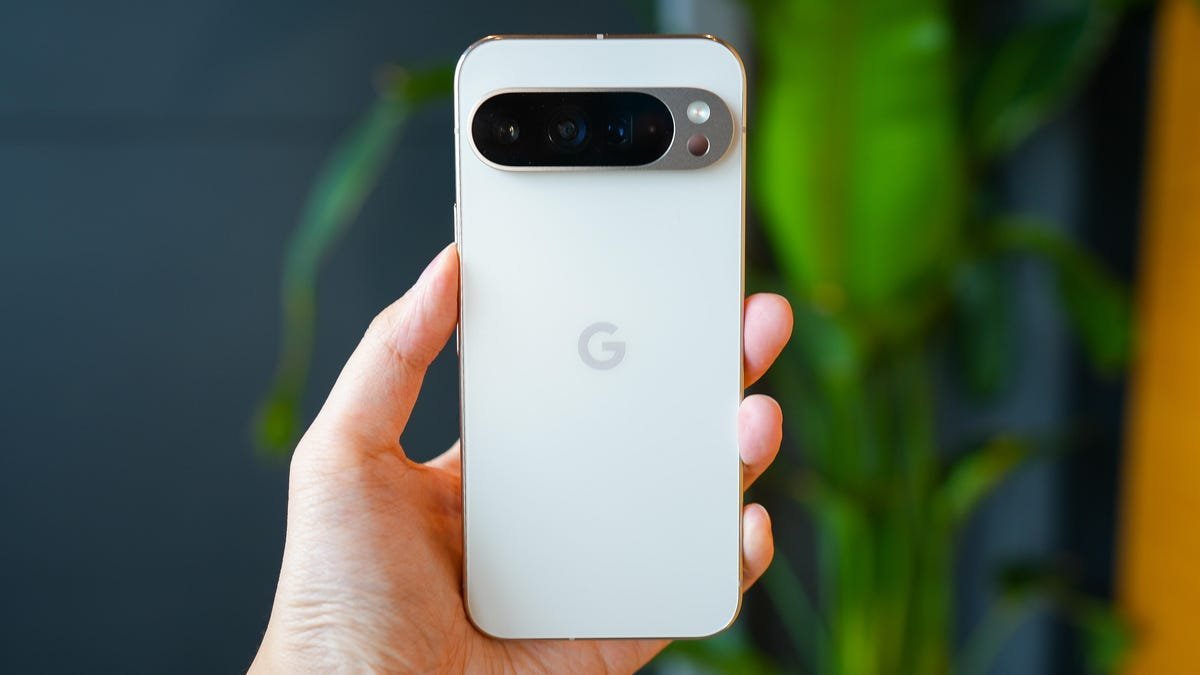
In the flurry of leaks surrounding Google's anticipated Pixel 10 series, most attention has fixated on camera upgrades or design tweaks. Yet, a seemingly mundane detail—buried in a recent render shared by renowned leaker Evan Blass—might hold the most transformative potential for Android users: built-in support for the Qi2 wireless charging standard with integrated magnets. This feature, if executed properly, could finally unlock the magnetic accessory ecosystem Android has long lacked, positioning the Pixel 10 as a catalyst for industry-wide change.
The Qi2 Promise: More Than Just Faster Charging
Qi2, unveiled at CES 2023, promised a seismic shift by standardizing magnetic wireless charging akin to Apple's MagSafe. Its core appeal wasn't merely faster power delivery (though 25W speeds are part of the spec) but the ability to securely attach accessories—battery packs, car mounts, wallets—directly to a phone's back via magnets. However, adoption has stalled. As Kerry Wan notes in the original ZDNET report, only recent iPhones, Samsung models, and the niche HMD Skyline currently support it. Manufacturers cited cost concerns and tepid demand, but the deeper issue was compromise: the Wireless Power Consortium's later clarification that in-body magnets weren't mandatory led most brands to rely on magnetic cases or adhesive rings, a clunky workaround that diluted the user experience.
Google's Potential Game-Changer
Blass's leaked render of the standard Pixel 10 (showcasing its rumored aquamarine finish and triple-camera array) hints at magnets embedded within the device itself. This aligns with Qi2's ideal implementation, allowing accessories to snap directly onto the phone without cases. Crucially, Pro models are expected to follow suit. For developers and accessory makers, this is significant: it creates a standardized hardware target. Imagine charging stands that auto-align for optimal efficiency, or AR tools that clip on securely—scenarios previously reserved for iPhones. As Wan emphasizes, Google isn't just adding a feature; it's potentially correcting a market failure by embracing the full vision of Qi2.
"By encouraging phone makers to embed a magnetic adapter within the devices, users can seamlessly snap on portable chargers, tripods, and other tools," Wan writes, underscoring the seamless interaction model Google could pioneer.
Why This Matters for the Android Ecosystem
For engineers and tech leaders, the implications extend beyond convenience. First, it addresses energy inefficiency: magnets ensure precise coil alignment, reducing heat and energy loss during wireless charging. Second, it fosters innovation in peripherals—developers could build apps leveraging securely attached sensors or controls, knowing the hardware interface is reliable. Third, it pressures competitors: if Google succeeds, Samsung and others may accelerate their own native Qi2 integrations, moving beyond case-dependent solutions. This could finally unify the fragmented Android accessory market, much like USB-C did for cables.
Google's move also highlights a strategic play in sustainability. Reducing dependency on proprietary cases cuts e-waste, aligning with broader industry pushes for modularity. Yet, risks remain: magnet strength, interference with medical devices, and accessory compatibility must be flawless. If Google stumbles—say, with weak adhesion or poor thermal management—it could reinforce skepticism toward Qi2.
As we await official details (ZDNET has reached out to Google), the Pixel 10's rumored magnets represent more than a convenience feature. They symbolize a chance to redefine Android's hardware ethos—prioritizing ecosystem cohesion over isolated specs. In a landscape where wireless charging often feels half-baked, Google has an opportunity to deliver the frictionless, accessory-rich future Qi2 promised but rarely delivered. Success could make magnetic interoperability as fundamental to Android as open-source software, turning every snap into a statement of intent.
Source: Based on reporting by Kerry Wan for ZDNET, with additional context from Evan Blass's leak. Original article: The Pixel 10 may have the most significant charging feature.
Comments
Please log in or register to join the discussion