
Google's Pixel 10 lineup, headlined by the Pro XL, leverages the Tensor G5 chip for groundbreaking AI features like ProRes AI Zoom and Pixel Studio, while introducing MagSafe-like PixelSnap and promising seven years of updates. We dissect the technical prowess and strategic choices across the series, from the budget Pixel 9a to the foldable Pro Fold, revealing which model delivers the most value for developers and power users.
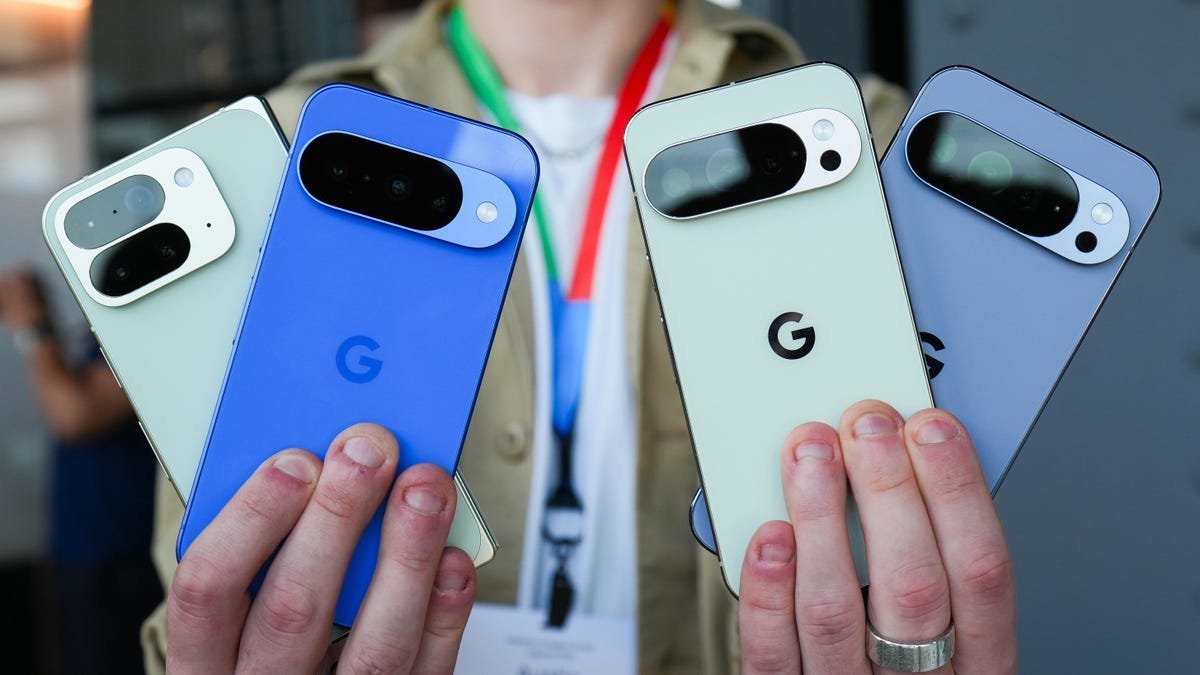
ZDNET's Prakhar Khanna and Alison DeNisco Rayome put the entire Pixel 10 lineup through rigorous testing, evaluating performance, camera capabilities, AI integration, and long-term software promises. Here's the technical deep dive.
Google's Pixel 10 series isn't just an iterative update; it's a statement of intent. Powered by the custom Google Tensor G5 chip, the flagship models (Pixel 10, 10 Pro, 10 Pro XL) push computational photography and on-device AI further than ever, while strategic hardware choices like the universal PixelSnap magnetic accessory system signal a play for ecosystem loyalty. Crucially, Google doubles down on sustainability with a seven-year promise for software, security, and Pixel Drop feature updates across the new flagships and the Pixel 10 Pro Fold.
The Tensor G5: AI as the Core Experience
The beating heart of the Pixel 10 flagships is the Tensor G5. This isn't just about raw benchmark scores (where it still lags behind some rivals), but about dedicated silicon accelerating Google's AI ambitions:
- ProRes AI Zoom (100x): Leveraging machine learning models trained on vast image datasets, the G5 enables significantly improved digital zoom quality, particularly on the Pro models, attempting to extract detail far beyond the optical lens capabilities.
- Pixel Studio & Pixel Screenshots: On-device generative AI tools for creative editing (Studio) and intelligent summarization/action extraction from screenshots, processing data locally for privacy.
- Video Boost & Add Me: Enhanced low-light video processing (Video Boost) and sophisticated computational photography trickery to seamlessly insert a subject into a group photo (Add Me) demonstrate the G5's image signal processor (ISP) and neural processing unit (NPU) synergy.
- Camera Coach: Real-time AI guidance within the camera app, analyzing the scene and suggesting composition or stability improvements.
// Tensor G5 represents Google's focus: raw throughput secondary to specialized AI/ML task acceleration
PixelSnap: Building an Ecosystem Bridge
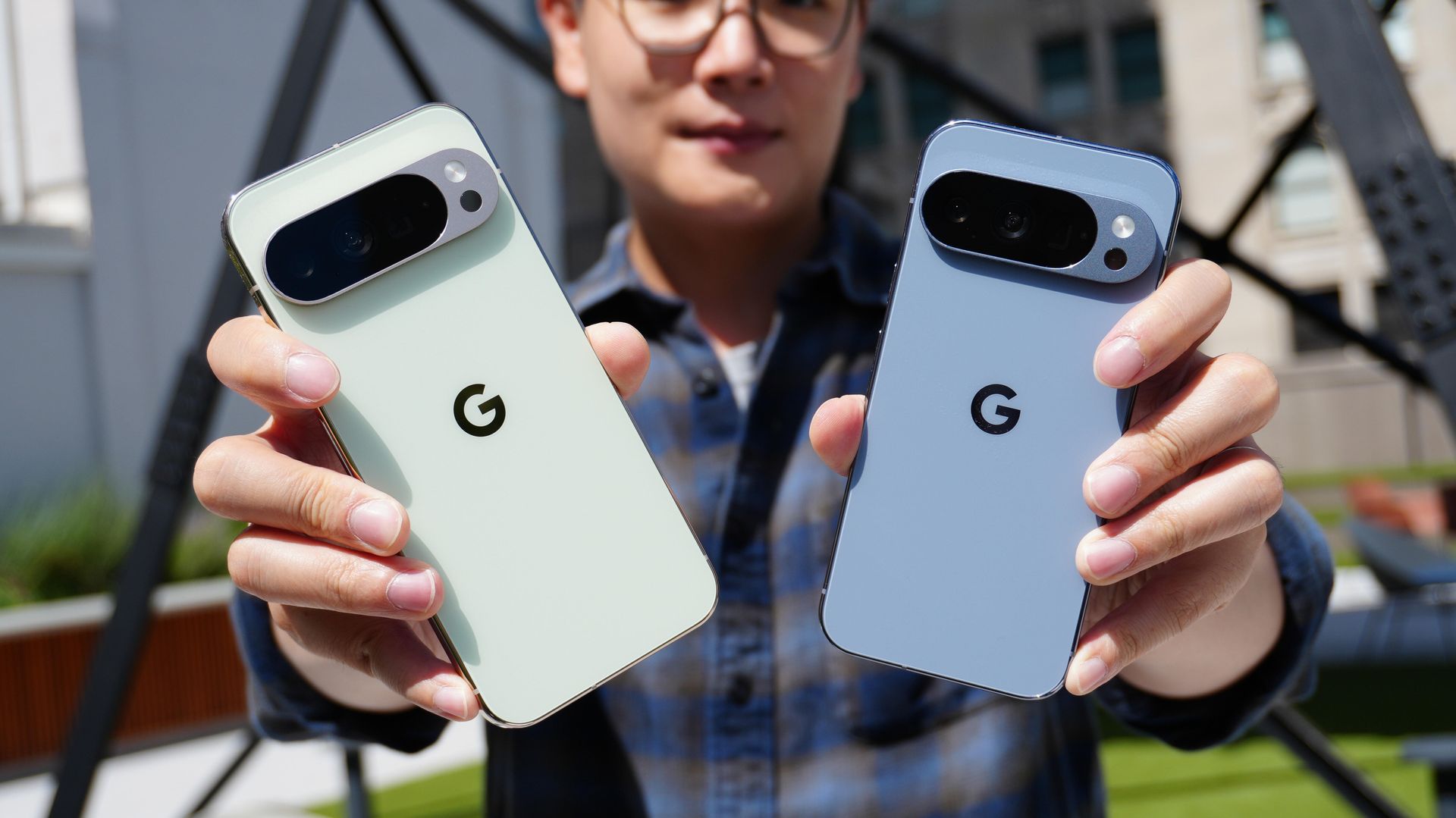
Acknowledging the popularity of Apple's MagSafe, Google introduces PixelSnap. This isn't mere imitation; it's a strategic technical and ecosystem play:
- Standardized Magnetic Interface: Uses precisely placed magnets and alignment rings compatible with the Qi2 standard, ensuring broad accessory compatibility.
- Developer Opportunity: Opens doors for accessory makers to create a unified ecosystem of chargers, wallets, grips, and mounts that work across Pixel 10 series devices (excluding the 9a) and potentially future Android devices adopting Qi2.
- Technical Nuance: While enabling faster wireless charging (15W with compatible Qi2 chargers), the implementation focuses on secure attachment and accessory versatility, directly appealing to users invested in modular mobile solutions.
Camera Systems: Computational Prowess Meets Hardware Tweaks
Google's camera philosophy remains rooted in software magic, but hardware sees meaningful adjustments:
- Pro Models (10 Pro & Pro XL): Identical triple array: 50MP main (Octa-PD), 48MP ultrawide (with macro), 48MP telephoto (5x optical). The G5 enables ProRes AI Zoom up to 100x and 8K video recording. The 42MP front camera is a significant selfie upgrade.
- Pixel 10: Major upgrade with a new 10.8MP telephoto lens (a first for the base model), alongside the 50MP main. Sacrifices the Pro's ultrawide quality (13MP vs 48MP) and lacks ProRes Zoom/8K video.
- Pixel 9a: Features an upgraded 64MP main sensor (Quad PD Bayer) over its predecessor, retaining the capable 13MP ultrawide, leveraging older Tensor G4 processing effectively.
- Pixel 10 Pro Fold: Carries capable but not class-leading optics (48MP main, 10.5MP UW, 10.8MP telephoto) optimized for the foldable form factor, powered by Tensor G5 AI.
"The Pixel 10 Pro XL's camera array, combined with Tensor G5's computational photography, delivers consistently outstanding results, particularly in challenging lighting. The addition of a telephoto to the base Pixel 10 is a game-changer for mid-tier flagship value," notes Prakhar Khanna, ZDNET Contributing Writer.
The Long Game: Seven Years of Updates
Google's commitment to seven years of Android OS upgrades, security patches, and Pixel Feature Drops is arguably the most significant technical and sustainability decision. This impacts:
- Security: Drastically extends the secure lifespan of devices.
- E-Waste Reduction: Challenges the industry norm of shorter support cycles, promoting longer device retention.
- Enterprise/Developer Appeal: Provides a stable, long-term platform for development and enterprise deployment.
- Resource Utilization: Pushes the boundaries of optimizing software performance and feature delivery on aging hardware.
Model Breakdown: Matching Technical Specs to User Needs

Pixel 10 Pro XL (ZDNET's Top Pick):
- Tech Specs: Tensor G5, 6.8" LTPO AMOLED (1-120Hz), 16GB RAM, 256GB/512GB/1TB storage, 50MP+48MP+48MP cameras, 5200mAh battery.
- For Whom: Power users wanting max screen size, battery life, storage, and all camera/AI features. The definitive Google flagship experience.
- Limitation: Large size can be unwieldy; no 5x Portrait Mode.
Pixel 10 Pro:
- Tech Specs: Tensor G5, 6.3" LTPO AMOLED (1-120Hz), 16GB RAM, 128GB/256GB/512GB/1TB storage, Same cameras as Pro XL, 4870mAh battery.
- For Whom: Users demanding Pro camera/AI features in a more compact, manageable flagship body with PixelSnap.
- Limitation: Battery life less robust than Pro XL.
Pixel 10:
- Tech Specs: Tensor G5, 6.3" AMOLED (60-120Hz), 12GB RAM, 128GB/256GB storage, 50MP+13MP UW+10.8MP Telephoto cameras, 4970mAh battery, PixelSnap.
- For Whom: Most users seeking flagship Tensor G5 performance, AI features, PixelSnap, and a telephoto lens at a sub-$800 price. Exceptional value proposition.
- Limitation: Ultrawide camera downgrade; lacks ProRes AI Zoom/8K video.
Pixel 9a:
- Tech Specs: Tensor G4, 6.3" AMOLED (60-120Hz), 8GB RAM, 128GB/256GB storage, 64MP+13MP UW cameras, ~5100mAh battery.
- For Whom: Budget-conscious buyers needing core Pixel experience (clean Android, reliable cameras, key AI features), IP68, wireless charging.
- Limitation: Thicker bezels; older chipset; no PixelSnap.
Pixel 10 Pro Fold:
- Tech Specs: Tensor G5, 6.4" Cover / 8.0" Inner AMOLED (1-120Hz), 12GB RAM, 256GB/512GB/1TB storage, 48MP+10.5MP UW+10.8MP Telephoto cameras, 5015mAh battery, PixelSnap, IP68.
- For Whom: Early adopters wanting Google's foldable vision with flagship AI, PixelSnap, and the long update promise.
- Limitation: Heavier than rivals (e.g., Galaxy Z Fold 7); camera specs not class-leading for foldables.
The Developer & Tech Leader Perspective
The Pixel 10 series, particularly the Tensor G5 models, represents a compelling platform:
- On-Device AI Showcase: Provides hardware to leverage and develop for Google's cutting-edge on-device ML capabilities.
- Long-Term Platform Stability: The 7-year update guarantee offers unprecedented stability for app compatibility testing and deployment.
- Ecosystem Play (PixelSnap): Encourages accessory innovation and potential for new app interactions leveraging the magnetic interface.
- Reference Design for Computational Photography: Continues to set the benchmark for software-driven camera innovation.
While thermal management under sustained load remains a watchpoint for Tensor chips, and absolute peak performance trails Qualcomm's latest, the Pixel 10 series delivers a uniquely Google vision of the smartphone: AI-centric, long-lasting, and increasingly integrated into a broader hardware ecosystem. The Pixel 10 Pro XL stands as the technical apex, but the democratization of features like telephoto lenses and PixelSnap down to the base Pixel 10 makes this generation Google's most compelling and complete lineup yet.
Source: ZDNET Testing & Analysis (Prakhar Khanna, Alison DeNisco Rayome) - September 2025
Comments
Please log in or register to join the discussion