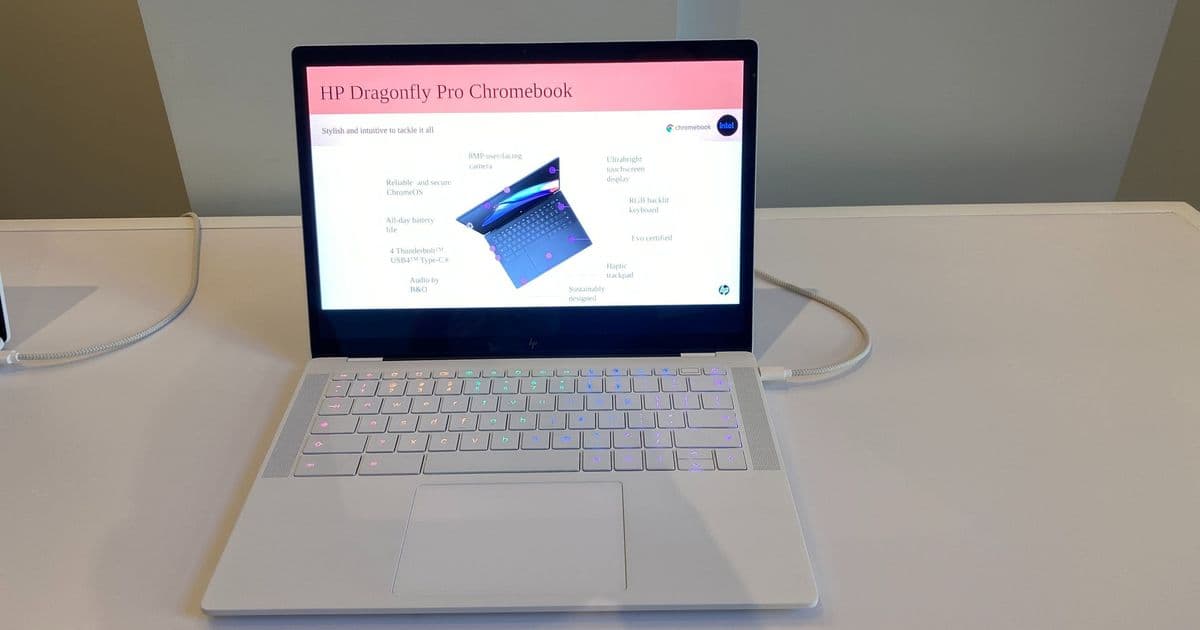
Leaked screen recordings reveal Google's Android-based desktop OS, codenamed Aluminum OS, running on HP Elite Dragonfly Chromebook hardware with taskbar redesign and macOS-style UI elements.
Google's long-rumored Android desktop operating system has surfaced in leaked bug report screenshots, revealing what appears to be the company's answer to Windows and macOS. The images, captured from an HP Elite Dragonfly 13.5-inch Chromebook running build ALOS: ZL1A.260119.001.A1, showcase Aluminum OS in what appears to be an early development stage.
Android Desktop Evolution
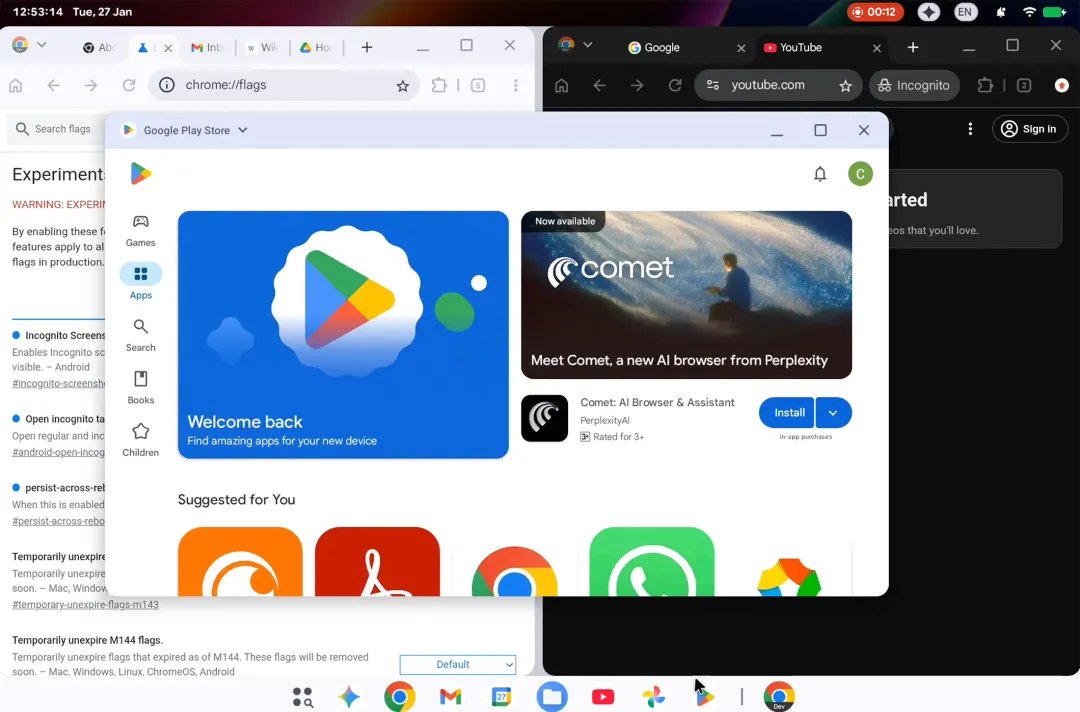
The leaked interface shows Google's vision for bringing Android to desktop environments, with several key UI changes from traditional ChromeOS. Most notably, the taskbar has been redesigned to be slightly taller, better accommodating larger displays and desktop workflows. The company has also repositioned system elements, moving the date and time from the lower right corner to the upper left, while status settings now appear in the upper right corner—creating a layout that more closely resembles Apple's macOS interface.
Chrome browser functionality has been enhanced for desktop use, with support for browser extensions now available. The screenshots also demonstrate side-by-side multitasking capabilities, suggesting Google is prioritizing productivity features for larger screens.
Hardware and Development Timeline
The bug report involved hardware that launched in early 2022—the HP Elite Dragonfly featuring 12th-generation Intel processors. This choice of relatively recent hardware suggests several possibilities: Google may be using existing Chromebook hardware to validate the operating system, or the company could be planning to allow or even require existing ChromeOS users to migrate to Aluminum OS when it becomes available.
Industry sources indicate Google has been working on folding ChromeOS into Android since 2015, though progress has appeared stalled in recent years. The emergence of these screenshots suggests development has continued behind the scenes, with the operating system now potentially in an early closed beta stage.
Market Implications and Timeline
While Google previously indicated Aluminum OS would arrive by 2026, the functionality visible in these leaked screenshots suggests the platform may be closer to release than initially expected. The operating system appears stable enough to run on production hardware and handle basic desktop tasks, though the limited scope of the bug report means many features remain unknown.
The timing of Aluminum OS's potential release is significant given current market conditions. Windows 11 has faced criticism for buggy updates and stability issues, while macOS continues to be positioned as a premium option often out of reach for budget-conscious consumers. Google's entry into the desktop OS market could provide a third viable option, particularly for users already invested in the Android ecosystem.
Technical Architecture Questions
The screenshots raise several technical questions about how Google plans to bridge mobile and desktop computing. The presence of Chrome extensions suggests a more traditional desktop browser experience, while the multitasking interface indicates support for window management and application switching typical of desktop environments.
However, the limited visibility into the operating system's capabilities means questions remain about app compatibility, performance optimization, and how well Android's mobile-first design philosophy translates to desktop workflows. The use of "ALOS" as a build identifier confirms the Aluminum OS codename and suggests Google has been developing this platform under wraps for some time.
Industry Context
Google's move into desktop operating systems represents a significant strategic shift. While ChromeOS has found success in education and budget markets, it has struggled to compete with Windows and macOS in the broader consumer and enterprise segments. By leveraging Android's massive install base and app ecosystem, Google may be positioning itself to capture market share from both Microsoft and Apple.
The leaked screenshots provide the first concrete evidence that this project has progressed beyond theoretical planning stages. As development continues, industry observers will be watching closely to see how Google addresses the challenges of creating a cohesive desktop experience from a mobile operating system foundation.
The emergence of Aluminum OS also raises questions about the future of ChromeOS itself. If Google plans to fold ChromeOS functionality into Android, it could signal the end of ChromeOS as a separate operating system, though the company has not made any official announcements regarding such plans.
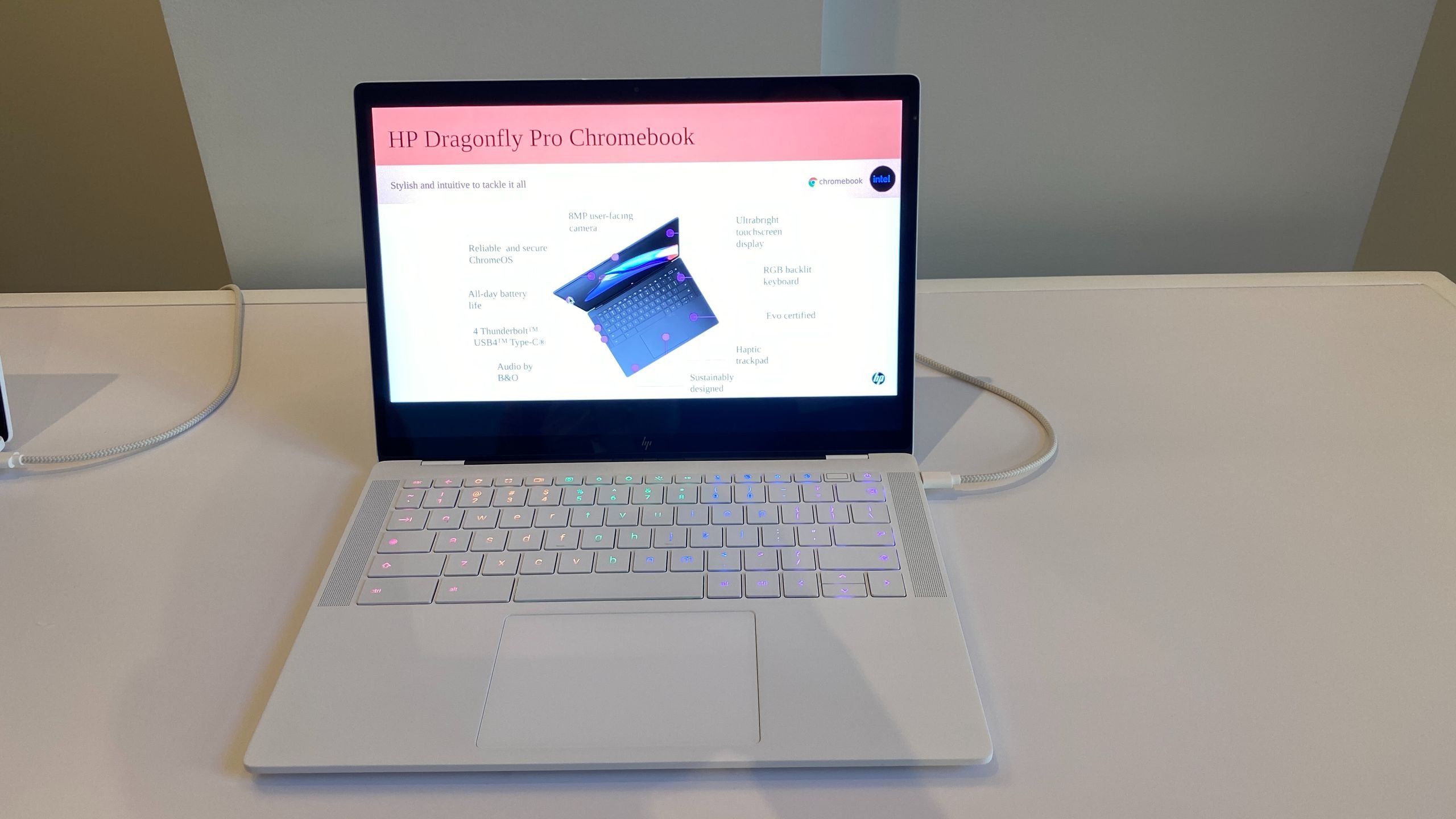

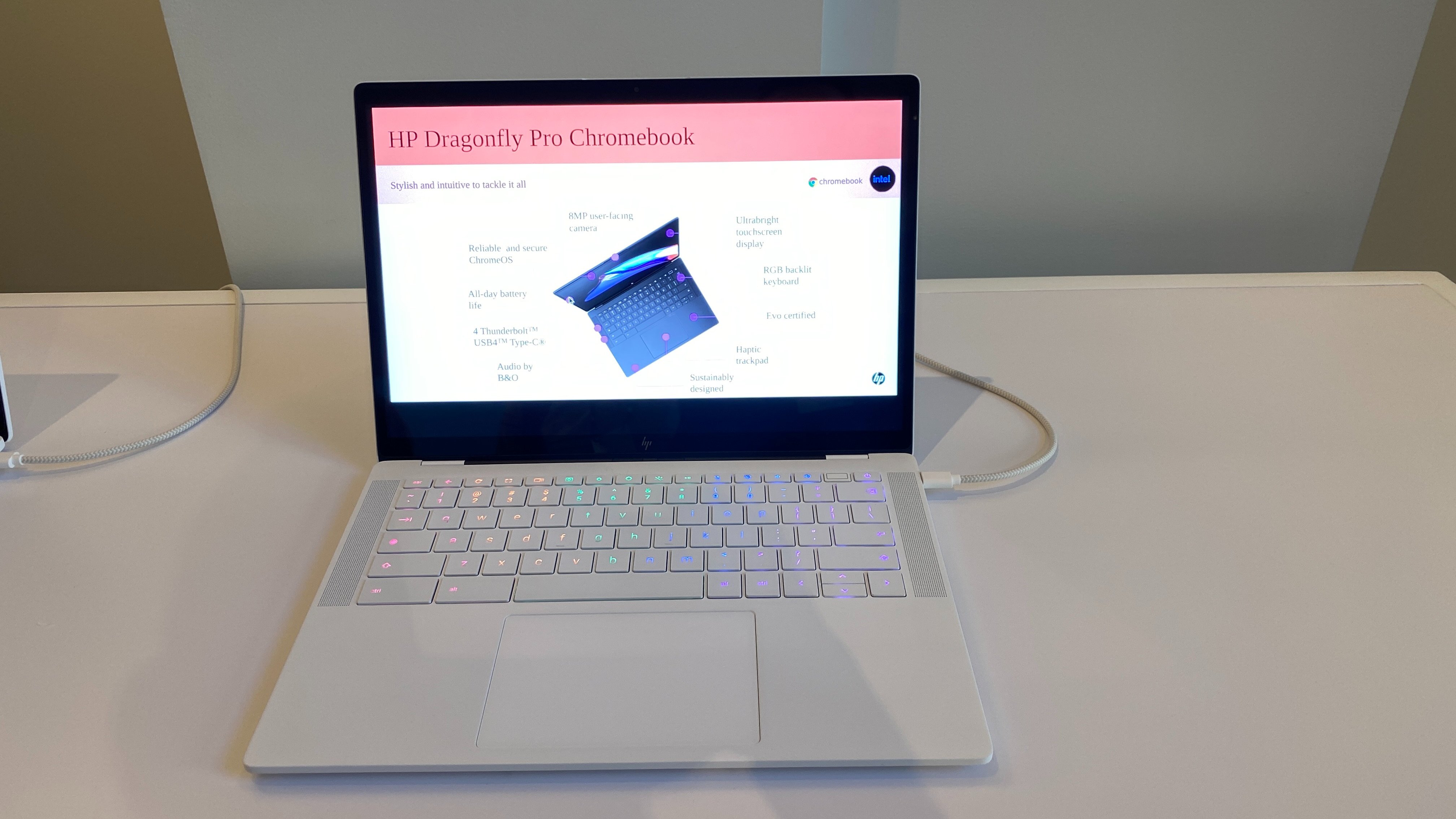
The bug report screenshots, while limited in scope, represent a significant milestone in Google's desktop computing ambitions and suggest the company may be closer to challenging the Windows-macOS duopoly than previously thought.
Comments
Please log in or register to join the discussion