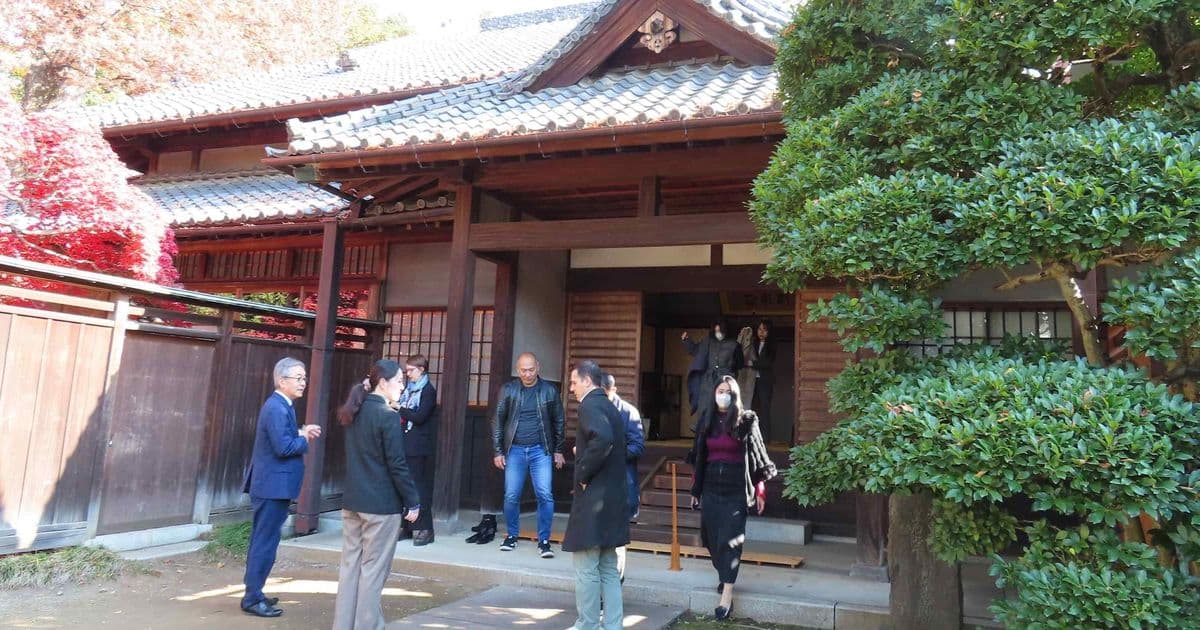
Japanese food wholesaler Kokubu Group launches $7,600 brewery tours targeting affluent overseas visitors as domestic sake consumption falls, betting on cultural experiences to drive growth.
Japanese food wholesaler Kokubu Group is betting big on premium sake tourism, launching exclusive brewery tours targeting affluent overseas visitors as domestic consumption of the traditional rice wine continues to decline.
Declining Domestic Market Drives International Strategy
The company's pivot comes amid a broader trend of falling sake consumption in Japan. According to industry data, domestic sake sales have been steadily decreasing over the past decade, with younger generations increasingly turning to beer, wine, and spirits. This demographic shift has forced traditional sake producers and distributors to seek new revenue streams beyond the shrinking domestic market.
Kokubu Group, which has long been a major player in Japan's food distribution sector, sees international tourism as a potential lifeline. The company's strategy involves transforming historic sake breweries into cultural destinations, offering immersive experiences that go beyond traditional tastings.
$7,600 Brewery Tours Target High-End Travelers
The centerpiece of Kokubu's new initiative is a premium tour package priced at approximately $7,600 per group. These exclusive experiences include:
- Private visits to historic sake breweries
- Tastings of rare and premium sake varieties
- Behind-the-scenes looks at traditional brewing processes
- Cultural experiences tied to sake production regions
- Gourmet meals paired with sake selections
A trial tour in November 2025 took participants to the private residence of Tamura Shuzojo, a respected sake brewer in Fussa, Tokyo. The intimate setting allowed visitors to experience the craft in a personal, authentic environment that mass-market tourism typically cannot provide.
Cultural Tourism as Growth Engine
This approach aligns with broader trends in Japanese tourism, where cultural experiences command premium prices. Similar to how Kyoto's craft gin distillery has gained international attention or how sumo tourism packages combine athletic spectacle with traditional dining, Kokubu is packaging sake as both a beverage and a cultural artifact.
Industry analysts note that affluent travelers increasingly seek authentic, educational experiences that provide deeper connections to local culture. Sake tourism fits this demand perfectly, offering both historical context and sensory education.
Competitive Landscape and Market Context
Kokubu's move comes as other Japanese sake producers also expand internationally. Several breweries have established overseas operations or partnerships, while others have developed premium product lines specifically for international luxury dining markets.
The strategy mirrors successful models in other Japanese industries, where companies have leveraged cultural heritage to create high-margin experiences for tourists. However, the $7,600 price point positions these tours as ultra-premium offerings, targeting a narrow but potentially lucrative market segment.
Challenges and Opportunities
Success will depend on several factors:
- Ability to attract sufficient numbers of high-net-worth travelers
- Maintaining authenticity while scaling the experience
- Competition from other cultural tourism offerings
- Economic conditions affecting luxury travel spending
If successful, Kokubu's model could provide a template for other traditional Japanese industries facing similar demographic challenges. The company is essentially monetizing cultural heritage and craftsmanship in a way that preserves traditional practices while creating new economic value.
Looking Ahead
The initiative represents a significant bet on the continued growth of international tourism to Japan, particularly from markets with strong interest in Japanese culture and cuisine. As Japan continues to promote itself as a premium travel destination, experiences like these could become increasingly important revenue streams for traditional industries struggling with domestic market contraction.
The coming years will reveal whether this premium tourism strategy can offset declining domestic consumption and provide sustainable growth for Japan's sake industry, or whether it represents a temporary solution to deeper structural challenges facing traditional Japanese beverages.
Comments
Please log in or register to join the discussion