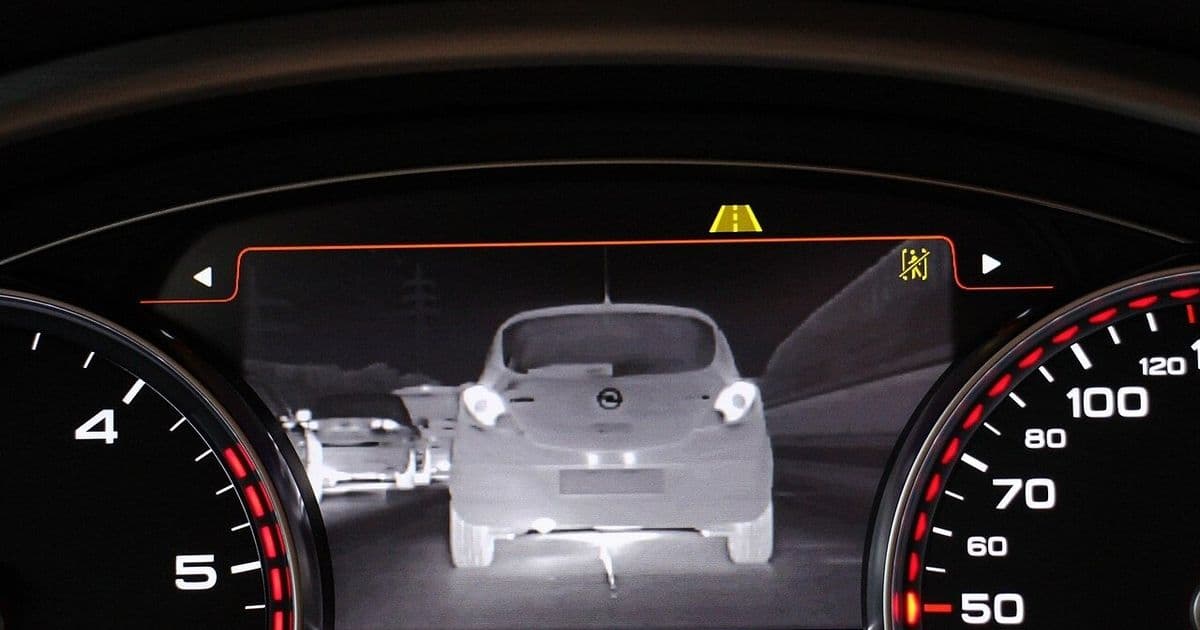
New federal mandate requires infrared cameras and sensors in all new vehicles by 2027 to monitor driver alertness and impairment, raising privacy concerns and adding $100-500 to vehicle costs.
Your next car purchase comes with an unwelcome passenger: a federal mandate requiring surveillance technology that monitors your every blink, glance, and head nod. Thanks to Section 24220 of the 2021 Infrastructure Investment and Jobs Act, NHTSA must finalize rules forcing all new passenger vehicles to include "advanced impaired driving prevention technology"—essentially turning your dashboard into a judgment-free zone that's anything but judgment-free.
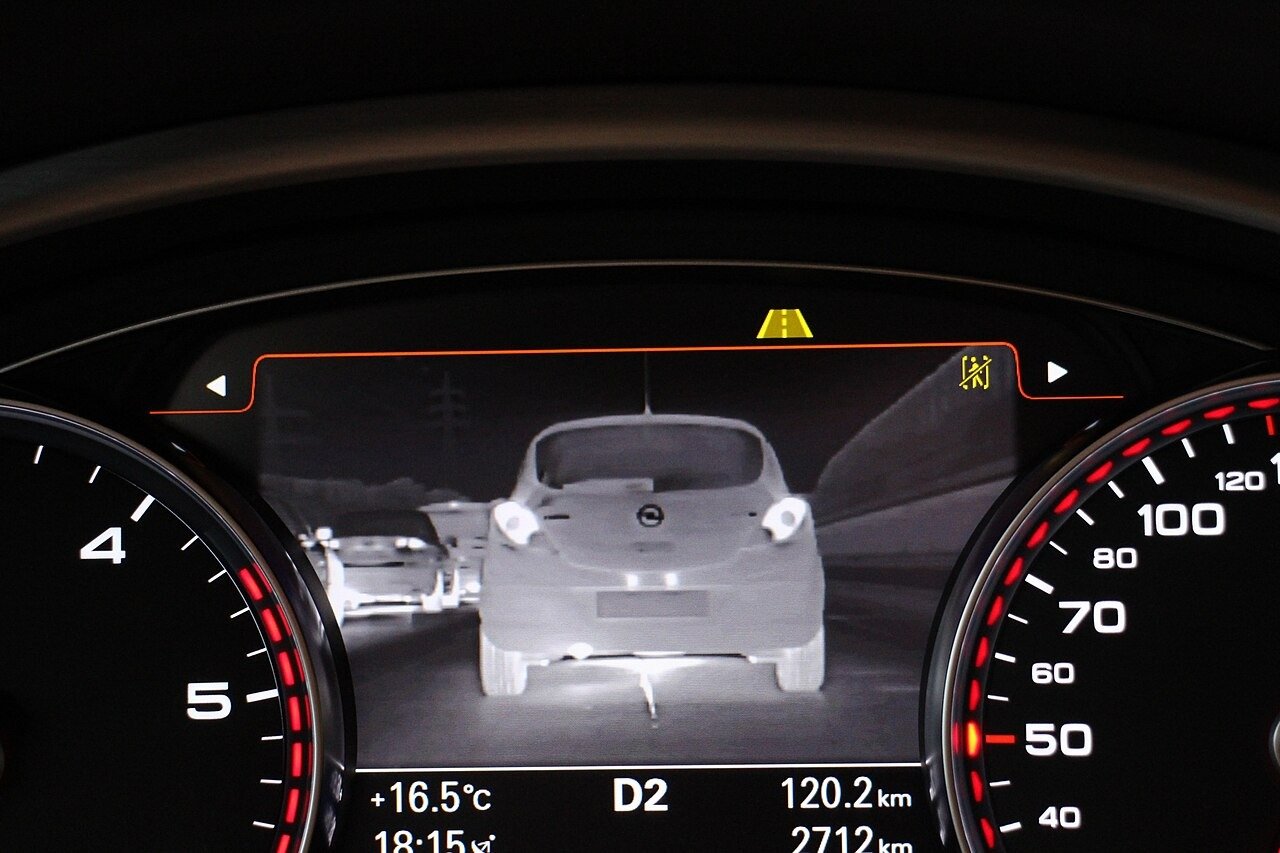
The Technology That's Watching
Infrared cameras and sensors create a constant biometric assessment of driver alertness and sobriety. The tech involves infrared cameras mounted on steering columns or A-pillars, tracking eye movement, pupil dilation, and drowsiness patterns. Unlike the breathalyzer ignition interlocks from DUI convictions, these systems operate passively—no blowing required. Your car simply watches and decides whether you're fit to drive.
If the AI determines you're impaired (blood alcohol ≥0.08% or showing fatigue), it can prevent ignition startup or limit vehicle speed. Think Minority Report, but for your morning commute.
Timeline for Implementation
The surveillance rollout targets late 2026 to 2027 for all new passenger vehicles. While NHTSA's final rule faced delays beyond the November 2024 deadline, automakers will still get 2-3 years for full implementation once regulations are finalized. Your current vehicle stays surveillance-free, but shopping for a 2027 model means accepting this digital copilot.
The timing coincides with broader automotive software integration, making these systems potentially updatable through over-the-air patches—expanding monitoring capabilities post-purchase.
Privacy and Cost Concerns Mount
Data collection worries combine with $100-500 per vehicle cost increases passed to consumers. The privacy implications extend beyond federal oversight. While the law doesn't mandate external data sharing, manufacturers could potentially upload biometric data to corporate servers, raising concerns about sharing with insurance companies to adjust your premiums based on driving behavior.
The technology adds significant costs—estimates range from $100-500 per vehicle—that automakers will inevitably pass to consumers already struggling with inflated car prices.
Industry Pushback Intensifies
Automakers oppose the mandate citing technical readiness concerns and sales impact fears. Car manufacturers argue the technology remains unreliable, warning of false positives that could strand drivers. They're concerned about customer backlash and potential sales declines as buyers seek older, unmonitored vehicles.
The federal government promises this surveillance saves 9,000-10,000 lives annually. Whether that justifies your car becoming a mobile panopticon depends on how much vehicle autonomy you're willing to trade for theoretical safety gains.
Your driving privacy expires with your current car's lifespan.

The Broader Context: Vehicle Surveillance Trend
This mandate represents the latest evolution in vehicle monitoring technology. Modern cars already collect extensive data about driving patterns, locations, and vehicle performance. The addition of biometric monitoring marks a significant escalation in surveillance capabilities.
Similar systems already exist in commercial trucking and some luxury vehicles, but a federal mandate makes this ubiquitous across all new passenger vehicles. The technology builds on existing driver monitoring systems that track lane departures and sudden braking, but adds the controversial element of continuous biometric assessment.
Technical Implementation Challenges
Automakers face several technical hurdles in implementing these systems:
- False Positive Rates: Current systems struggle with accuracy in varying lighting conditions, with sunglasses, or for drivers with certain medical conditions
- Processing Requirements: Real-time biometric analysis demands significant onboard computing power
- Sensor Integration: Multiple sensors must work seamlessly together without interfering with other vehicle systems
- Software Reliability: The AI must make life-or-death decisions about whether someone can drive
These challenges explain why automakers are pushing back on the timeline and demanding more flexibility in implementation.
Privacy Safeguards and Limitations
The law includes some privacy protections, though critics argue they're insufficient:
- Data must be processed locally on the vehicle when possible
- Information can only be shared with third parties under specific circumstances
- Manufacturers must provide transparency about data collection and usage
However, the effectiveness of these safeguards depends heavily on enforcement and the technical implementation by individual manufacturers.
Consumer Response and Market Impact
Early market research suggests significant consumer resistance to these systems. Some potential buyers indicate they'll:
- Keep their current vehicles longer
- Seek out used cars without the technology
- Look for manufacturers offering disable options (if legally permitted)
- Consider vehicles from manufacturers who've successfully challenged the mandate
This resistance could create a two-tier market where newer vehicles with surveillance tech compete against older models without these features.
The Safety Argument
Proponents argue the technology addresses a real problem: impaired driving causes thousands of deaths annually. The systems could prevent:
- Drunk driving incidents
- Accidents caused by drowsy driving
- Distracted driving from phone use
- Medical emergencies that impair driving ability
However, critics counter that existing solutions like designated drivers, ride-sharing services, and improved public transportation could address these issues without mass surveillance.
International Comparisons
Several countries have implemented similar systems with varying degrees of success:
- European Union: Requires driver attention warning systems but not biometric monitoring
- Australia: Has voluntary guidelines for driver monitoring systems
- Japan: Some manufacturers include advanced monitoring as premium features
The US mandate is notably more comprehensive than international approaches, reflecting different cultural attitudes toward privacy and government oversight.
Future Implications
The 2027 mandate may be just the beginning. As vehicles become increasingly connected and autonomous, the scope of monitoring could expand to include:
- Continuous location tracking
- Passenger behavior monitoring
- Integration with smart city infrastructure
- Real-time traffic law enforcement
This raises questions about where to draw the line between safety and privacy in an increasingly connected world.
What This Means for You
If you're shopping for a vehicle after 2027, expect to encounter these systems. Consider asking dealers about:
- How the monitoring system works
- What data is collected and stored
- Whether the system can be disabled
- Impact on insurance rates
- Total cost increase from the technology
The mandate represents a significant shift in the relationship between drivers, their vehicles, and government oversight. Whether you view it as a lifesaving safety feature or an Orwellian overreach likely depends on your perspective on privacy, government regulation, and automotive safety.
One thing is certain: the open road just got a lot less private.
Comments
Please log in or register to join the discussion