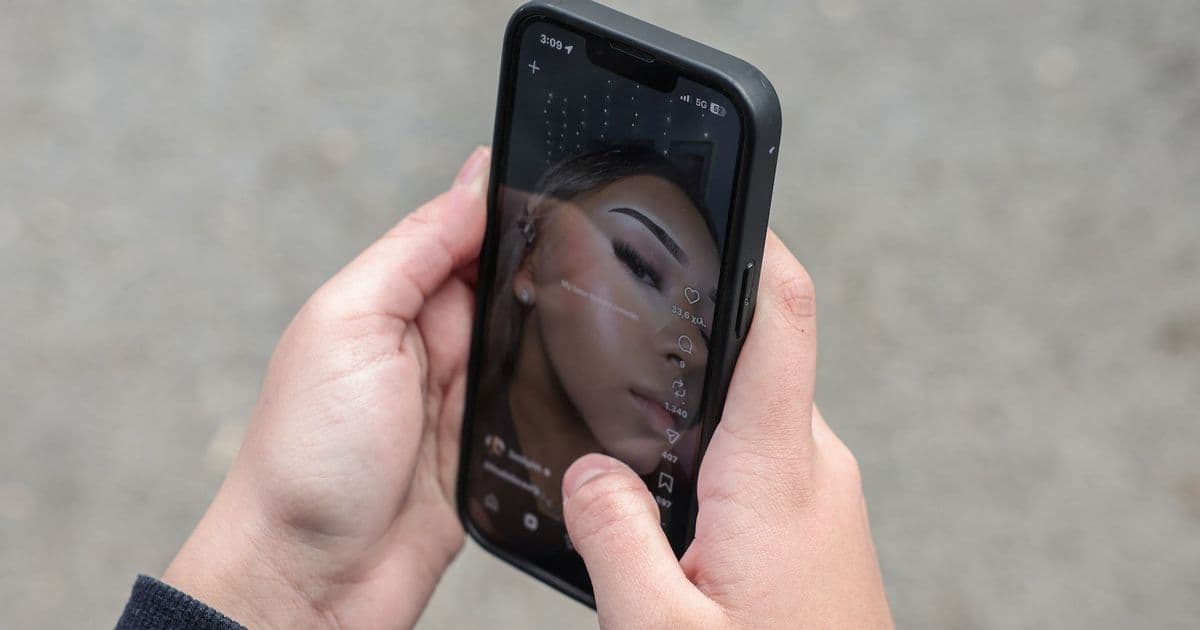
Greek Prime Minister Kyriakos Mitsotakis announces a ban on social media access for children under 15, effective January 1, 2027, and calls for coordinated EU action.
Greek Prime Minister Kyriakos Mitsotakis announced on Wednesday that Greece will ban children under the age of 15 from accessing social media platforms starting January 1, 2027. The announcement, reported by Reuters, marks one of the most aggressive government interventions into children's online activity in Europe.
Mitsotakis framed the ban as a necessary step to protect young people from the documented harms of social media, including mental health issues, cyberbullying, and exposure to inappropriate content. The Prime Minister also called for coordinated action across the European Union to implement similar restrictions, suggesting Greece's move could serve as a model for other member states.
The Scope and Implementation
The ban would apply to all major social media platforms including Facebook, Instagram, TikTok, Snapchat, and others. While specific enforcement mechanisms weren't detailed in the initial announcement, the government is expected to work with social media companies to implement age verification systems and restrict access for users under 15.
The two-year lead time before implementation suggests the government plans to work with tech companies, parents, and other stakeholders to develop effective enforcement strategies. This timeline also allows for potential legal challenges and EU-level discussions about harmonizing approaches across member states.
European Context
Greece's announcement comes amid growing European concern about children's online safety. The EU's Digital Services Act, which came into force in 2023, already requires platforms to assess and mitigate risks to minors, but Greece's proposed ban goes significantly further.
Other European countries have implemented various restrictions:
- France requires parental consent for children under 15 to use social media
- The UK's Online Safety Act includes provisions for protecting children online
- Germany has strict data protection rules affecting how platforms handle children's data
However, Greece's outright ban represents the most comprehensive restriction proposed to date in the EU.
Industry Response
Major social media companies have not yet issued formal responses to the Greek announcement. Historically, these companies have opposed age restrictions, arguing that they can limit access to educational content and social connections that benefit young people.
Meta, which owns Facebook and Instagram, has previously stated that it provides parental controls and age-appropriate experiences rather than supporting outright bans. TikTok has emphasized its existing safety features for younger users, including restricted modes and parental controls.
Technical and Enforcement Challenges
Implementing such a ban presents significant technical challenges. Social media platforms would need to develop robust age verification systems that balance effectiveness with privacy concerns. Methods could include:
- Government-issued ID verification
- Credit card verification
- Facial age estimation technology
- School or parental verification systems
Each approach has limitations. ID verification raises privacy concerns, credit card verification excludes families without banking access, and facial age estimation technology remains imperfect.
Global Implications
If implemented successfully, Greece's ban could influence policy discussions worldwide. Countries like Australia, Canada, and various U.S. states have debated similar restrictions, though none have implemented comprehensive bans.
The announcement also highlights the growing tension between tech companies' business models, which rely on user engagement regardless of age, and governments' increasing willingness to regulate digital spaces to protect vulnerable populations.
Counter-Arguments and Concerns
Critics of the ban raise several concerns:
Access to Information: Social media platforms serve as important sources of news, educational content, and community connection for young people, particularly those in isolated areas or with specific interests not served by traditional media.
Digital Literacy: Rather than banning access, some experts argue for teaching children to navigate social media safely. A ban might leave young people unprepared for the digital world they'll inevitably encounter as adults.
Enforcement Effectiveness: Determined young users often find ways around restrictions, potentially driving activity to less regulated platforms or encouraging deceptive practices to circumvent age verification.
Economic Impact: Social media platforms generate significant advertising revenue from younger users, and a Greek ban could influence how these companies approach the European market more broadly.
The Path Forward
The two-year implementation window provides time for:
- Developing technical solutions for age verification
- Creating legal frameworks for enforcement
- Establishing appeal processes for affected users
- Coordinating with EU partners on harmonized approaches
- Educating parents and children about the changes
Greece's bold move reflects a growing recognition that the current approach to children's social media use may be inadequate. Whether this ban becomes a model for other countries or faces significant challenges remains to be seen, but it undoubtedly intensifies the global conversation about protecting young people in digital spaces.
The success or failure of Greece's experiment could shape how societies worldwide approach the complex question of children's access to social media in the coming years.
Comments
Please log in or register to join the discussion