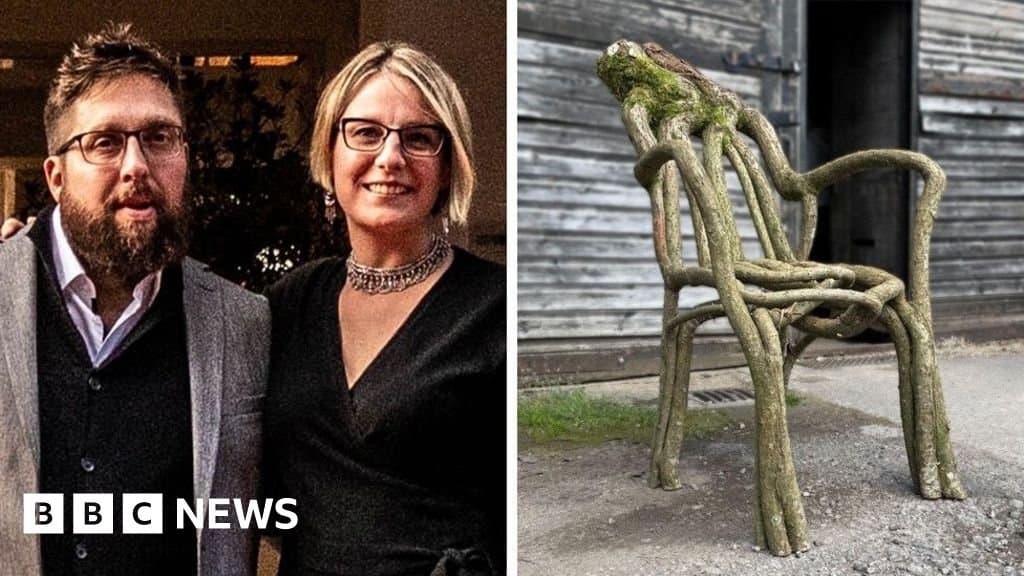
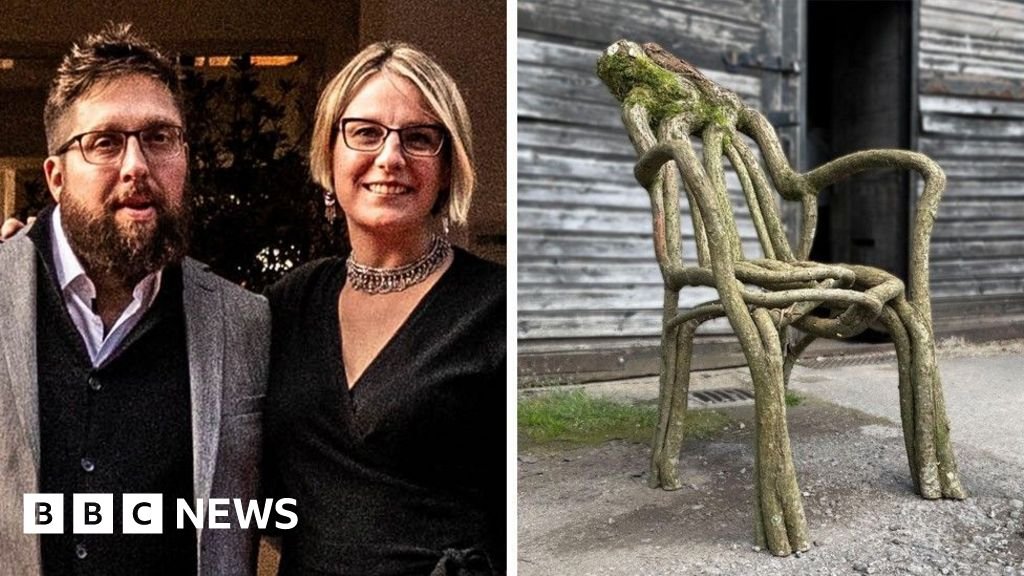
Alice and Gavin Munro have spent two decades teaching trees to become chairs, benches and even chandeliers. Their Derbyshire orchard uses recycled plastic molds and grafting techniques, turning slow growth into functional art, and they now plan to share the craft through a Full Grown Academy.
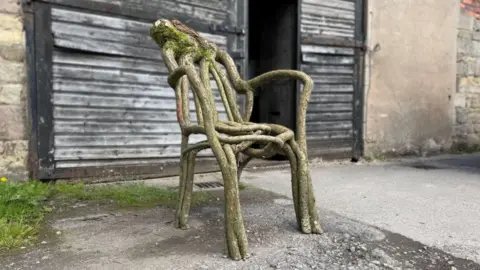
Alice and Gavin Munro aren’t carving wood – they’re coaxing living trees to become furniture. Over the past 20 years the couple has turned an orchard in Derbyshire into a living workshop where willow, oak and ash are trained to grow upside‑down around custom‑shaped pieces of recycled plastic. After six to nine years of careful pruning and grafting, the trees are harvested and left to dry for a further year, emerging as solid, organic chairs, stools, benches and even the occasional chandelier.

The problem they solve
Traditional furniture manufacturing consumes large amounts of timber, energy and chemicals. The Munros’ method replaces that intensive process with a slow‑growth approach that uses the tree’s own biology to create the final shape. By shaping the growth rather than cutting it, they eliminate waste, reduce carbon emissions associated with machining, and produce pieces that are literally part of the landscape they grew in.
How the craft works
- Mold preparation – The team fabricates forms from recycled plastic, each one representing the negative of the desired object. These molds are sturdy enough to stay in the ground for years but biodegradable enough to break down eventually.
- Branch training – Young saplings are planted around the molds. As the branches reach the form, they are tied, pruned and guided along the surface, encouraging the wood to thicken where needed.
- Grafting – At strategic points, branches are grafted together so the structure becomes a single, continuous piece. This step is crucial for strength and for ensuring the final object behaves as a unified whole.
- Growth period – Depending on the species and the complexity of the design, the tree may take anywhere from six to ten years to fill the mold.
- Harvest and cure – Once the shape is complete, the entire piece is cut from the root system and left to dry for about a year. The drying process reduces moisture content, stabilising the wood and preventing future warping.
From childhood inspiration to a lifelong practice
Gavin’s fascination began with a bonsai that resembled a chair, a vision that stayed with him through a challenging childhood marked by surgeries for Klippel‑Feil syndrome. The patience required for his medical treatments translated into a patience for trees. After a stint making drift‑wood furniture in California, he returned to England, re‑uniting with Alice – his long‑time friend and now partner – and together they founded Full Grown in 2006.
Market positioning and impact
Full Grown’s pieces have found homes in high‑profile venues: a Louis Vuitton pop‑up in London, permanent displays at the National Museum of Scotland, Rotterdam’s Museum Boijmans Van Beuningen, and collections at the Saint Louis Art Museum and SFMOMA. Their work also earned a place at this year’s RHS Chelsea Flower Show, where a bronze cast of one of their chairs will be featured in the Plant Heritage garden.

While the chairs command premium prices – often several thousand pounds for a single piece – the broader value proposition lies in demonstrating an alternative supply chain for furniture. By growing the product, the Munros sidestep deforestation pressures and showcase a model where design, nature and time collaborate.
The next step: Full Grown Academy
Recognising the growing interest from gardeners, museums and hobbyists, the Munros are preparing to launch Full Grown Academy. The program will offer workshops, detailed guides and possibly kits of the recycled‑plastic molds, enabling others to experiment with arboreal furniture in their own backyards. The academy aims to democratise the knowledge that took the couple two decades to accumulate, turning a niche craft into a community‑driven practice.
Why it matters
The Munros’ work sits at the intersection of sustainable design, horticulture and long‑term thinking. It challenges the assumption that furniture must be produced quickly and highlights the value of processes that align with natural growth cycles. As climate concerns push the industry toward lower‑impact materials, the idea of growing furniture could inspire larger-scale experiments, from structural timber elements to biodegradable housing components.
For anyone curious about the practicalities, the Munros maintain a detailed official site that outlines their current orchard projects, upcoming academy dates, and a gallery of finished pieces. Their story is a reminder that sometimes the most elegant solutions are the ones that simply let nature do the heavy lifting – it just takes a lot of patience.
Comments
Please log in or register to join the discussion