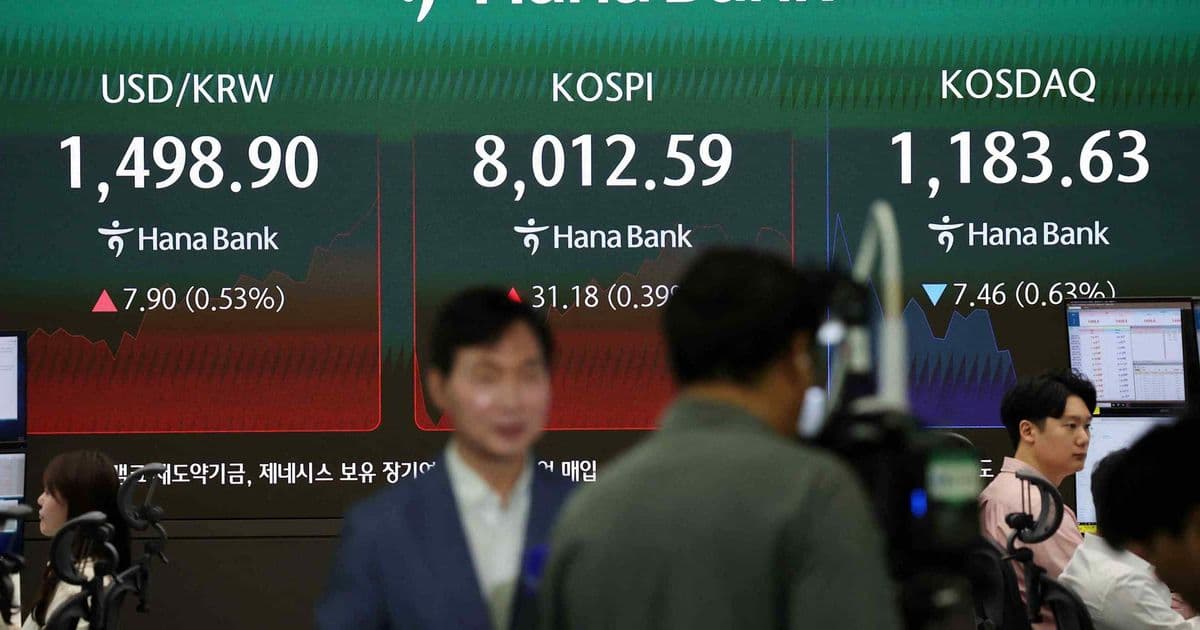
South Korean policymakers are grappling with the concentration of AI wealth as chip giants like Samsung and SK Hynix generate record profits. A presidential adviser’s proposal to channel AI earnings into a universal dividend has sparked a public debate on wealth distribution, corporate governance, and the country’s long‑term innovation strategy.
Business news
South Korea’s tech sector is at a crossroads. After a 12% year‑to‑date rise in the KOSPI, driven largely by an 11% jump in SK Hynix shares, the government is confronting a political backlash over who truly benefits from the AI boom. A senior presidential adviser has floated a “people’s dividend” – a cash payout funded by a levy on AI‑related profits – to address growing anxiety among young workers who feel that even a lifetime of employment may not secure financial stability.
Market context
- AI‑driven earnings: Samsung Electronics reported a KRW 12.4 trillion ($9.8 billion) profit in Q1 2026, with AI‑related semiconductor sales accounting for roughly 30% of that total. SK Hynix posted a KRW 5.1 trillion profit, a record high, largely from its high‑bandwidth memory (HBM) chips used in generative‑AI servers.
- Wealth concentration: The top 10 shareholders of these conglomerates now control over 55% of the combined market capitalization of Korea’s AI‑heavy firms, according to data from the Korea Exchange. By contrast, households in the bottom 40% of the income distribution hold less than 2% of equity stakes.
- Demographic pressure: South Korea’s youth unemployment sits at 7.9%, while the median household debt‑to‑income ratio has climbed to 190%, the highest among OECD members. A recent poll by the Korea Institute for Health and Social Affairs found that 68% of respondents aged 20‑34 consider the wealth gap a “critical threat” to social cohesion.
- Policy precedent: Japan’s 2023 “wealth‑share” scheme, which earmarked 0.5% of corporate profits for a universal basic income pilot, raised ¥120 billion ($820 million) in its first year, providing a benchmark for South Korean policymakers.
What it means
- Corporate governance scrutiny will intensify – The proposed dividend would likely require a statutory levy on AI‑related earnings, prompting companies to reassess profit‑allocation strategies. Analysts expect tighter disclosure requirements around AI revenue streams, similar to the EU’s upcoming AI‑related reporting standards.
- Capital markets may see new instruments – To fund the dividend without eroding shareholder returns, the Ministry of Finance is exploring AI‑linked bonds, where coupon payments are tied to the sector’s profitability. Early interest from institutional investors suggests a potential $2 billion issuance by 2027.
- Talent retention could shift – If a universal payout reduces the perceived need for high‑salary tech jobs, firms might redirect compensation toward equity‑based incentives that align employee interests with long‑term AI innovation.
- International competitiveness at stake – While the dividend aims to curb social unrest, critics argue it could dampen private R&D spending. The OECD’s 2025 report warned that “excessive profit taxation may reduce private sector AI investment by up to 4% annually.” South Korea will need to balance redistribution with maintaining its position as the world’s second‑largest semiconductor exporter.
- Potential for political realignment – The issue has already polarized the ruling People Power Party and the opposition Democratic Party, with younger voters demanding more equitable wealth sharing. Upcoming local elections could see AI‑wealth policies become a decisive campaign theme.
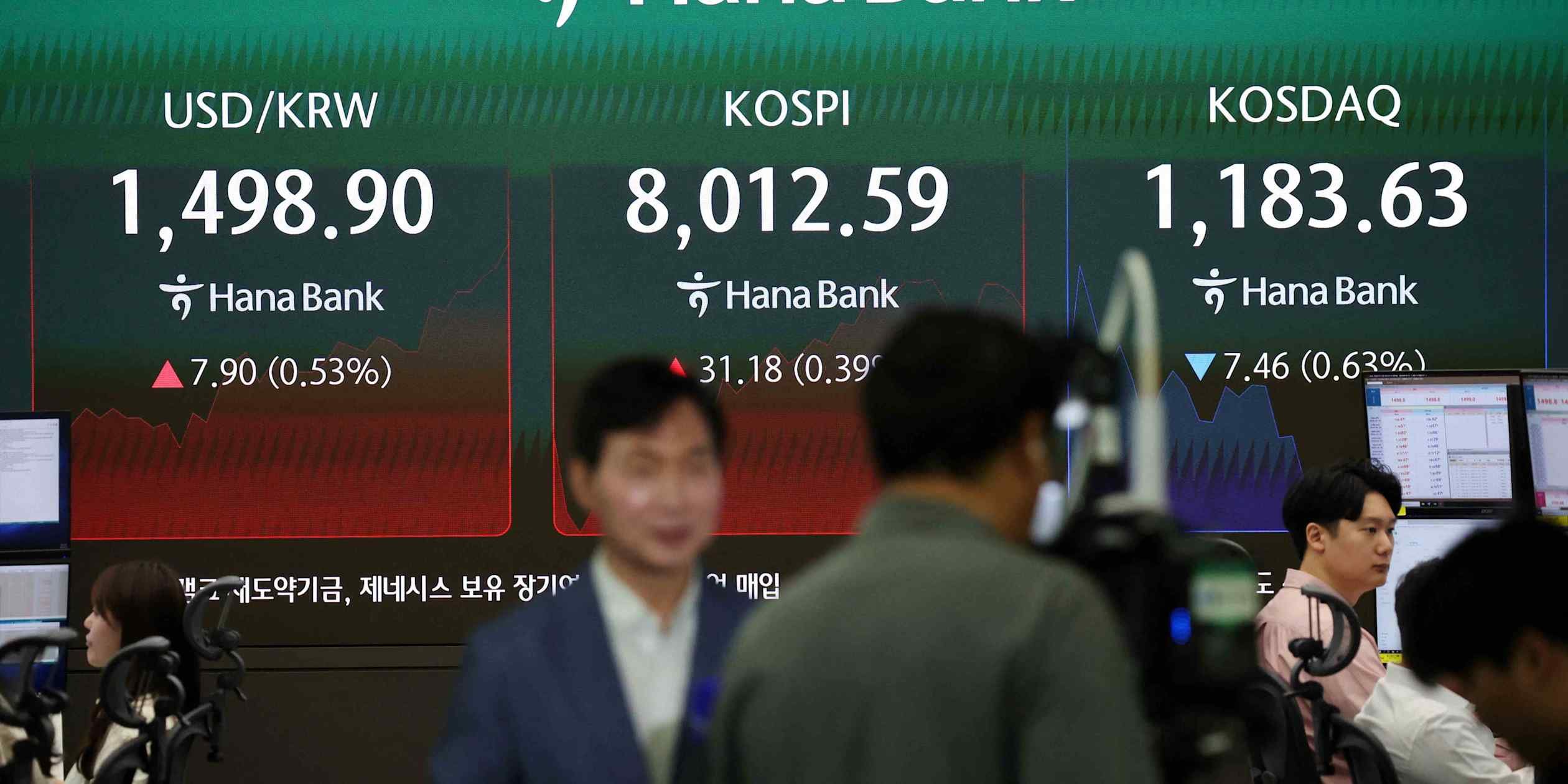
The debate underscores a broader question for advanced economies: how to share the upside of AI without stifling the incentives that drive breakthrough technologies. South Korea’s experiment with a people’s dividend will be watched closely by policymakers in Japan, the United States, and the European Union as they grapple with similar distributional pressures.
Sources: Reuters, Samsung Electronics Q1 2026 earnings release, SK Hynix Investor Relations, Korea Institute for Health and Social Affairs poll, OECD AI Investment Outlook 2025.
Comments
Please log in or register to join the discussion