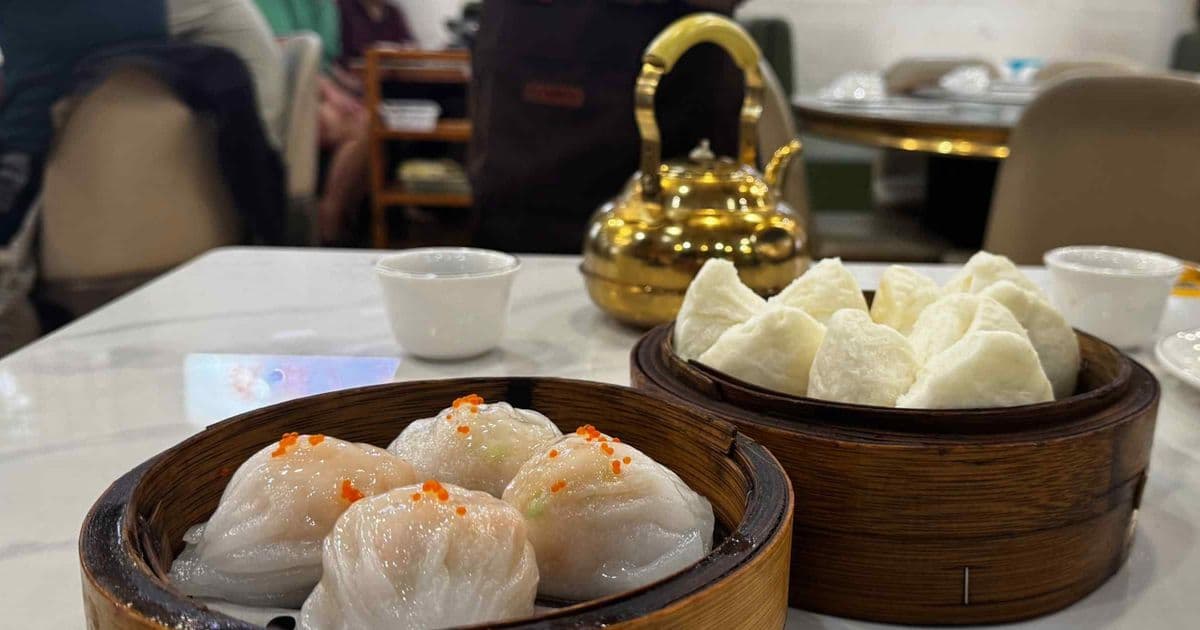
Guangzhou launches restaurant certification requiring on-site preparation of dim sum ingredients and cooking to preserve culinary heritage against industrial food production.
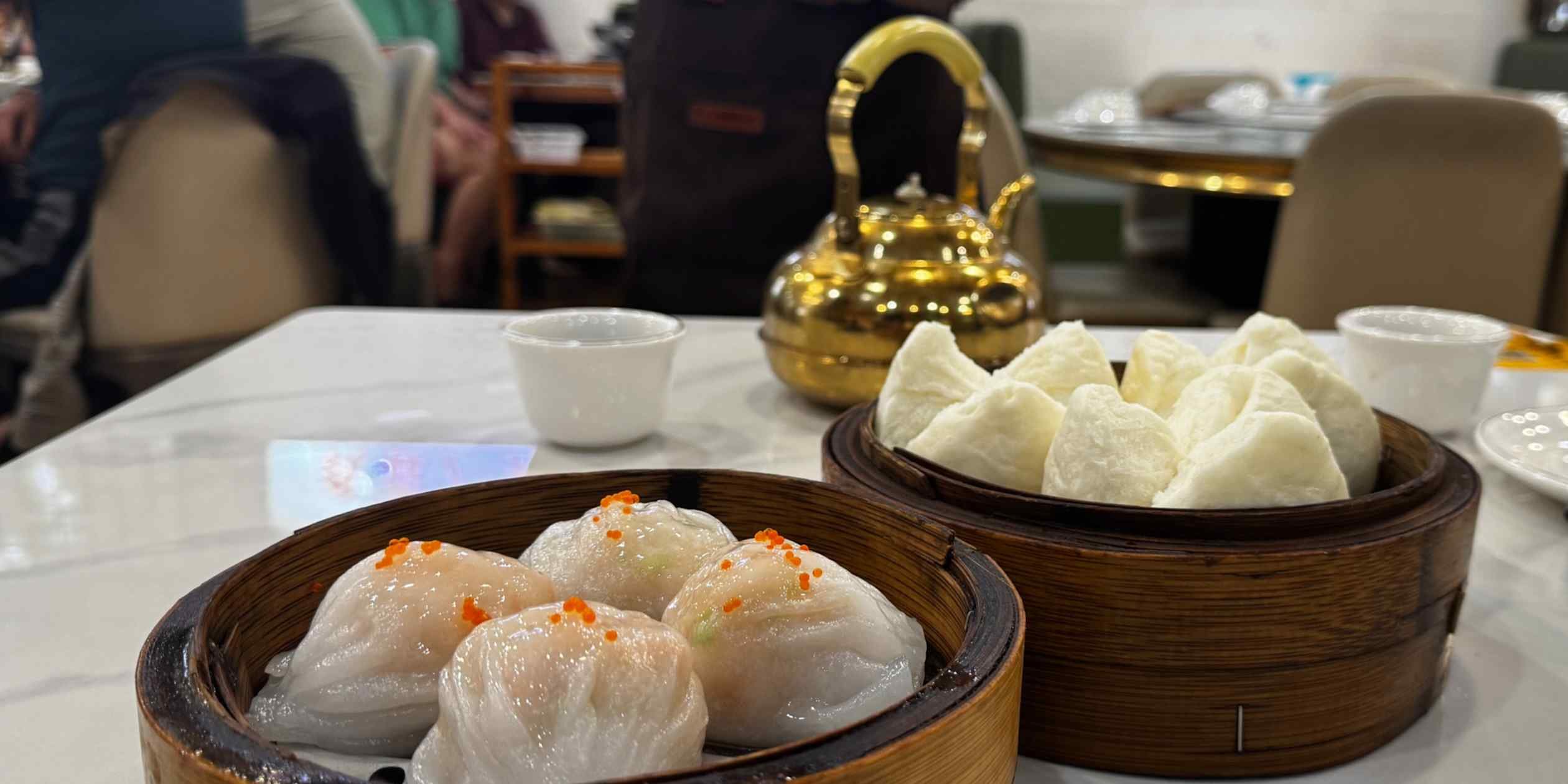
Guangzhou, China's culinary capital for Cantonese cuisine, has launched an official certification system for dim sum restaurants to combat the erosion of traditional food culture by industrialized production methods. The initiative directly addresses the proliferation of frozen and prepackaged dim sum products that have flooded the market, compromising the authenticity of yum cha (tea dining) experiences.
The certification mandates that participating restaurants prepare both the filling and dough for steamed dumplings entirely on-premises using fresh ingredients, followed by immediate steaming. This requirement eliminates shortcuts like pre-made fillings or frozen dough—common in mass-market operations seeking cost efficiencies. Restaurants meeting these standards will display official certification, enabling consumers to identify venues preserving traditional preparation methods.
Market context reveals significant pressure on food traditions: Industrial food production grew 18% annually in China's catering sector over the past five years, according to National Bureau of Statistics data. Frozen dim sum products now constitute an estimated 40% of restaurant supply chains nationwide due to lower labor costs and extended shelf life. This shift particularly threatens Guangzhou, where dim sum represents not just cuisine but intangible cultural heritage recognized by UNESCO since 2020.
Strategic implications cascade across multiple stakeholders:
- Restaurants: Certified establishments gain premium branding but face 25-30% higher operational costs from manual preparation. Expect market bifurcation between mass-market chains using frozen supplies and premium authentic venues.
- Consumers: Rising middle-class demand for authenticity (70% express preference for traditional preparation in city surveys) creates pricing power for certified venues, though likely elevating meal costs by 15-20%.
- Supply Chain: Local fresh ingredient suppliers stand to benefit, while industrial food processors may pivot toward hybrid models combining certified and non-certified product lines.
- Broader Industry: This follows global culinary preservation trends like Naples' VPN pizza certification and Tokyo's Edo-style sushi standards, signaling increased regulatory focus on food authenticity as cultural IP.
The certification framework includes surprise inspections and ingredient traceability requirements, with penalties for violations. While implementation challenges remain—particularly for smaller establishments—the policy reflects Guangzhou's strategic positioning of culinary tradition as economic differentiator. Tourism authorities project certified dim sum venues could capture 30% of the city's $2.1 billion annual culinary tourism revenue by 2028.
As industrial food production continues scaling globally, Guangzhou's certification model offers a blueprint for cities balancing culinary heritage against commercial efficiency. The success metrics will ultimately hinge on consumer adoption and whether premium pricing can sustain traditional practices without excluding mainstream diners.
Comments
Please log in or register to join the discussion