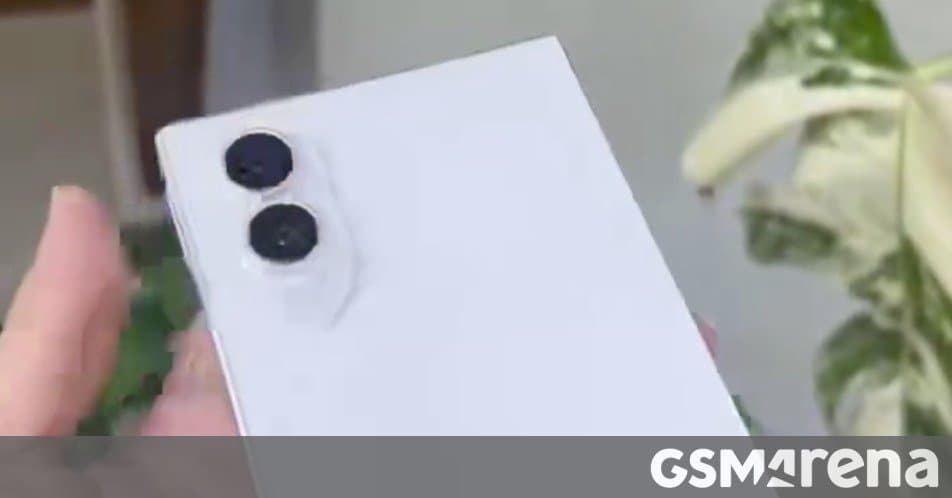
A new hands‑on video shows a white dummy of Samsung’s upcoming Galaxy Z Fold Wide, confirming its slim chassis, dual‑rear cameras and a 7.6‑inch 4:3 inner display. The leak also fuels the naming debate between Z Fold Wide, Z Fold 8 and Z Fold 8 Ultra, while hinting at battery, camera and ecosystem implications for Samsung’s foldable line‑up.
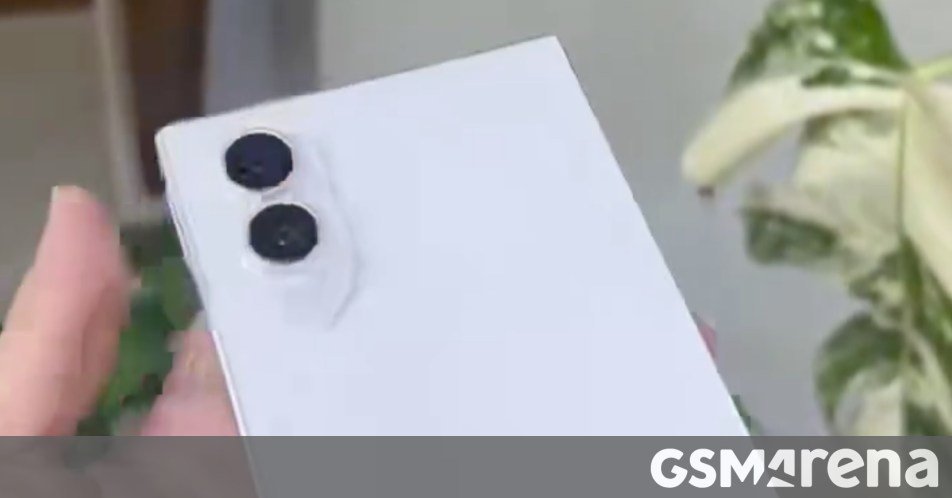
Samsung’s next‑generation foldable is finally getting a visual cue. In a short hands‑on video posted by YouTuber Sonny Dickson, a white dummy of the rumored Galaxy Z Fold Wide is shown from every angle. While a dummy unit never captures final material quality or software polish, the footage gives us a clearer picture of the device’s physical layout and how it fits into Samsung’s broader foldable strategy.
What the dummy tells us
- Form factor – The unit appears noticeably slimmer than the current Z Fold 7, reinforcing the “wide” moniker that suggests a broader, more tablet‑like experience without the tall, narrow profile of previous folds.
- Rear camera module – Two lenses are visible on the back, matching earlier leaks that list a 50 MP main sensor paired with a 50 MP ultrawide. No sign of a telephoto or a 200 MP sensor, which aligns with recent rumors that the Wide will skip the ultra‑high‑resolution option found on the flagship Z Fold 8.
- Buttons and ports – The classic Samsung layout is intact: a power button on the right edge, volume rocker on the left, and a USB‑C port centered at the bottom. The placement suggests continuity for accessories such as the S‑Pen and Book Cover, which are already part of Samsung’s foldable ecosystem.
- Screen size – The inner display is measured at 7.6 inches with a 4:3 aspect ratio, a shift from the 22.5:18 ratio of the Z Fold 7. This change should make the device feel more like a small tablet when unfolded, improving productivity tasks and media consumption.
Spec roundup (based on multiple leaks)
| Feature | Expected value |
|---|---|
| Processor | Snapdragon 8 Gen 3 (or Exynos equivalent for EU) |
| RAM / Storage | 12 GB RAM, 256 GB or 512 GB UFS 4.0 |
| Battery | 4,800 mAh, fast‑charging up to 45 W |
| Rear cameras | 50 MP (wide) + 50 MP (ultrawide) |
| Front camera | 12 MP under‑display |
| OS | Android 15 with One UI 7 |
| Connectivity | Wi‑Fi 7, Bluetooth 5.4, 5G Sub‑6/ mmWave |
These numbers line up with the specifications leaked for the Galaxy Z Fold 8, which many analysts believe will be the tall‑screen counterpart to the Wide. Rumors also suggest the regular Z Fold 8 will carry the "Ultra" badge, indicating a larger battery and perhaps a higher‑resolution camera array.
Naming confusion and ecosystem impact
The community has been debating the naming scheme for weeks. Some sources label the wide‑screen model "Galaxy Z Fold 8", while others keep the "Galaxy Z Fold Wide" tag to differentiate it from the traditional tall fold. Samsung’s marketing history shows a pattern of using both numeric and descriptive names (e.g., Z Flip 5 vs. Z Flip 5 Lite). Whatever the final branding, the key takeaway is that Samsung is positioning two distinct form factors side by side:
- Z Fold 8 (or Z Fold 8 Ultra) – Tall, 8.0‑inch inner screen, premium camera stack, larger battery.
- Z Fold Wide – Wider, 7.6‑inch 4:3 screen, slimmer chassis, dual‑camera setup.
This dual‑track approach deepens Samsung’s lock‑in effect. Users who invest in the S‑Pen, Book Cover, and Samsung DeX will find both devices compatible with the same accessories and software features. The One UI 7 interface, which includes improved multitasking gestures and a more refined DeX mode, will roll out across both models, encouraging existing foldable owners to stay within Samsung’s ecosystem rather than switch to competing devices like the Huawei Mate X 3 or Google Pixel Fold.
What the battery and screen changes mean for daily use
A 4,800 mAh cell is modest compared to the 5,200 mAh battery in the Z Fold 7, but the slimmer profile and lower power draw of a 4:3 display could offset the capacity dip. Samsung’s fast‑charging support should refill the battery in roughly 30 minutes, which is practical for on‑the‑go professionals.
The shift to a 4:3 ratio is more than an aesthetic tweak. It matches the aspect ratio of most tablets and e‑readers, making split‑screen apps feel more natural. For example, a side‑by‑side view of a document and a web browser will occupy roughly equal real‑estate, reducing the need to scroll horizontally. Developers will need to adapt UI layouts, but Samsung’s Multi‑Active Window already handles such scenarios well.
Outlook and launch timeline
All signs point to a July 2026 launch, likely at Samsung’s Unpacked event in Seoul. If the hands‑on video is any indication, the company has already finalized the industrial design and is moving into mass production. Expect pre‑orders to open a week before the official announcement, with the usual tiered pricing: €1,389 / £899 for the 256 GB model and €1,409 / £949 for the 512 GB variant.
Bottom line
The dummy video confirms that Samsung is serious about diversifying its foldable portfolio. By offering a wider, slimmer device alongside a taller premium model, Samsung gives consumers a choice that aligns with different usage patterns—media consumption versus productivity. The continuity of accessories, software, and ecosystem services like Samsung Cloud, Galaxy Store, and DeX reinforces the brand’s lock‑in, making the Z Fold Wide a compelling addition for anyone already invested in Samsung’s mobile universe.

Comments
Please log in or register to join the discussion